Temporary Protected Status (TPS) and related work authorization ended for roughly 350,000 Haitians in late July after a US Supreme Court ruling removed lower-court restraints. The same judgment cleared the termination of protection for more than 6,000 Syrians and sharply limited review of the US homeland security secretary's country-designation decisions.
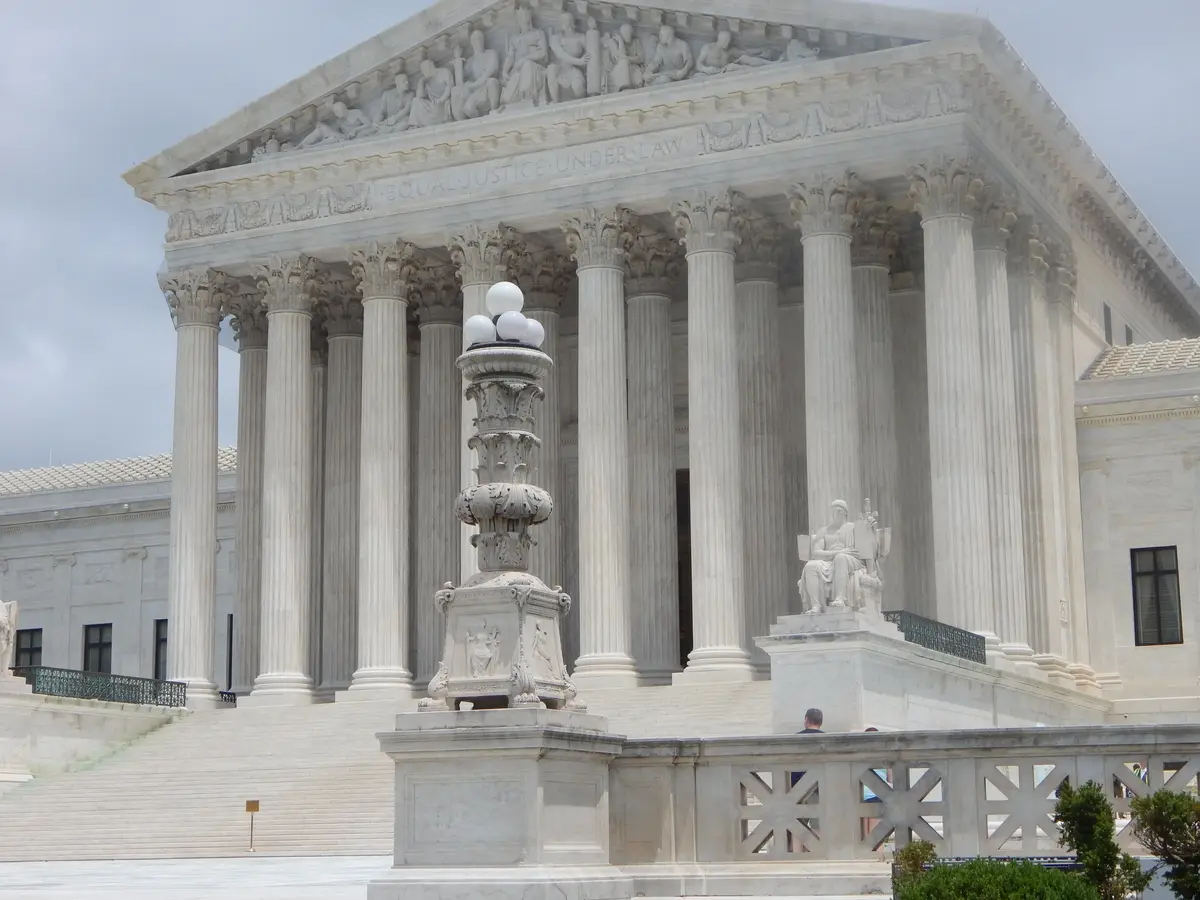
The Supreme Court ruled 6-3 on June 25 that federal law bars judicial review of nonconstitutional claims challenging TPS designation, extension or termination decisions. It also found that the Haitian plaintiffs were unlikely to prevail on the equal-protection claim before the court, allowing interim orders that had delayed both terminations to be reversed.
The ruling removed legal restraints on two terminations
US law allows the homeland security secretary to designate a country for TPS when armed conflict, a natural disaster or other extraordinary conditions prevent safe return. While a designation is in force, eligible nationals already in the United States receive protection from removal and may obtain employment authorization. TPS does not by itself provide permanent residence or a route to US citizenship.
The court's judgment did not endorse every factual finding the US Department of Homeland Security used to terminate the two designations. It held that the statute precludes courts from considering the plaintiffs' nonconstitutional claims, including allegations of procedural errors. The ruling also rejected interim relief on the Haitian plaintiffs' equal-protection claim, but it did not decide whether any individual beneficiary has another legal basis to remain in the country.
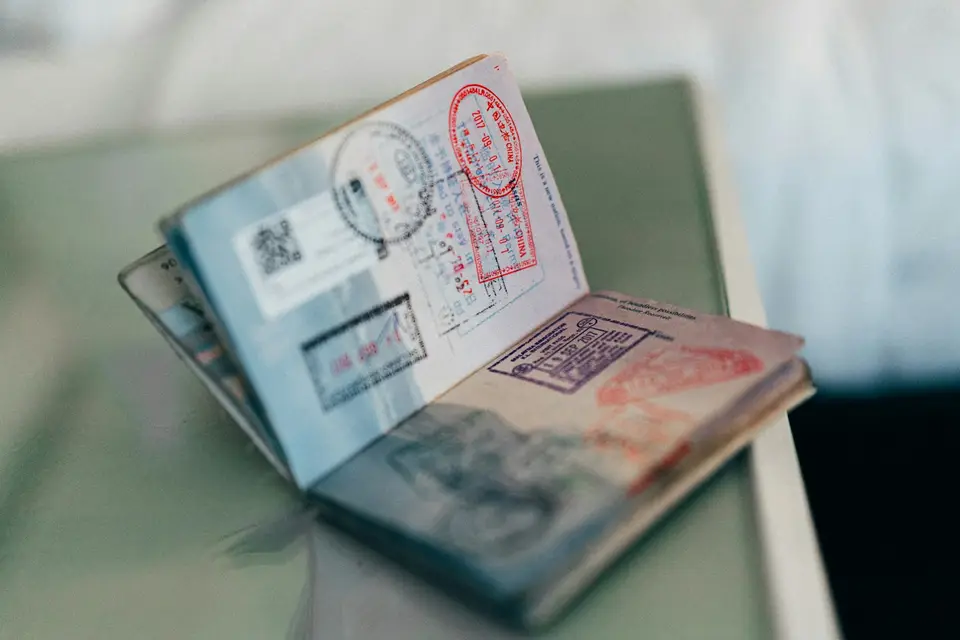
Haitian work permits reached their final expiration date
Haiti first received TPS in 2010 after a magnitude 7.0 earthquake caused widespread deaths, injuries and destruction. The protection was extended or redesignated several times, leaving some beneficiaries covered for 16 years.
Courts kept the designation and associated employment authorization in place past an earlier February 2026 termination date. An employer-verification update posted on July 24 set July 27 as the expiration date for Haitian TPS employment authorization documents. The Associated Press later reported that the permits were not extended beyond that date.
The number affected is approximate. A July 2025 Federal Register notice estimated that 348,187 people held TPS under Haiti's designation, while NPR described the population approaching the 2026 deadline as roughly 350,000. APPI News could not find an official count taken at the point the protection ended or a count of former beneficiaries who held another immigration status.
The Syria decision relied on a separate country assessment
Syria received TPS in 2012 during the country's civil war. The US Department of Homeland Security announced the designation's termination in September 2025, but federal litigation postponed its effect until the Supreme Court ruling cleared the way.
The department's Federal Register notice estimated that 6,132 people had approved Syrian TPS and 833 applications were pending as of September 8, 2025. The department said the conflict had shifted from a nationwide civil war to sporadic violence and cited US security, vetting and foreign-policy concerns. Those statements were the department's rationale; the Supreme Court resolved the review question without independently validating the country assessment.
US-citizen children face decisions about separation
The loss of TPS affects families in which parents and children have different citizenship or immigration positions. A January 2026 analysis by Princeton University researcher Phillip Connor estimated that 50,000 US-citizen children had Haitian parents with TPS. The estimate used augmented 2024 American Community Survey data and was not an official count made when TPS expired.
NPR reported that Haitian parents were weighing whether to take US-born children to Haiti, leave them with caregivers in the United States or seek another destination. The report also documented uncertainty over how quickly US immigration authorities would pursue detention and removal after protection ended.
Fear changed daily life in one Maryland community
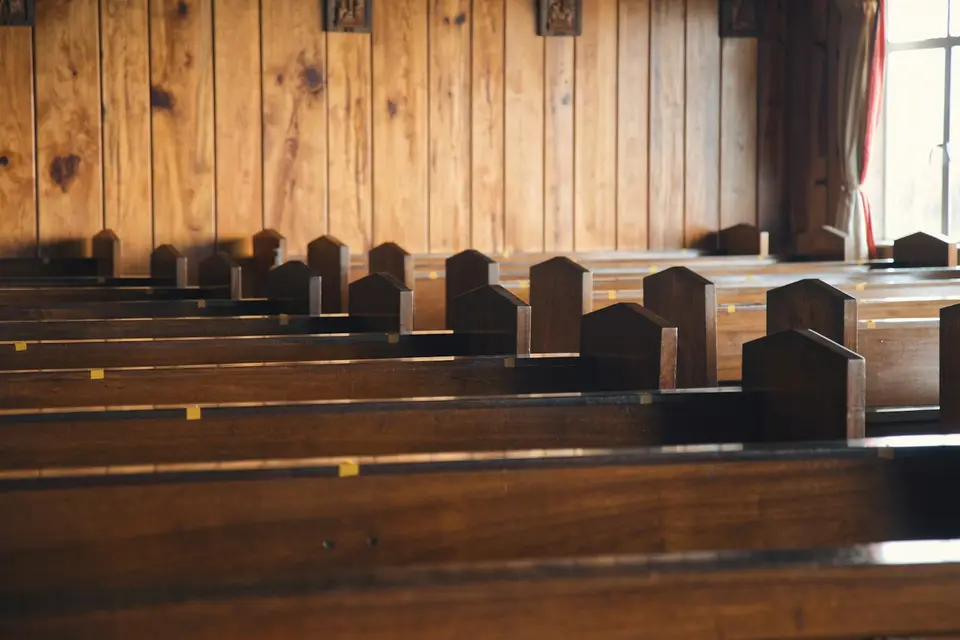
The Associated Press reported that attendance at the Word of Life Center in Salisbury, Maryland, fell by more than half at its August 2 service, from a usual congregation of more than 500. A bridal shower, a barbecue fundraiser and English-language classes were also canceled as residents feared arrest or deportation.
The report said about 10 percent of Salisbury's 33,000 residents were Haitian, with many working in poultry processing, agriculture and caregiving. That account shows the immediate effect in one local labor market and community; it does not establish how former TPS holders across the United States responded after their permits expired.
Frequently asked questions
What did the Supreme Court decide?
The court held that the TPS statute bars judicial review of nonconstitutional challenges to a homeland security secretary's designation decisions. It also found that the Haitian plaintiffs were unlikely to succeed on the equal-protection claim then before it.
Did every former TPS holder immediately become subject to removal?
TPS no longer provides removal protection after a designation ends. The ruling did not decide whether individual beneficiaries held or qualified for another US immigration status.
How many people were affected?
US government estimates from 2025 listed 348,187 Haitian beneficiaries and 6,132 Syrian beneficiaries. These were not final counts taken when protection ended in 2026.
Why are the family figures estimates?
The figure of 50,000 US-citizen children with Haitian TPS parents came from an analysis of survey data. No official census specifically counted those mixed-status families at the expiration date.
Sources and further reading
- Mullin v. Doe, Nos. 25-1083 and 25-1084(Supreme Court of the United States)
- Termination of the Designation of Haiti for Temporary Protected Status(US Government Publishing Office)
- Termination of the Designation of Syria for Temporary Protected Status(US Government Publishing Office)
- SAVE and E-Verify Provide Updates on TPS for Haiti(American Immigration Lawyers Association)
- Families brace for separation as Haitians set to lose protected status next week(NPR via WLRN)
- Haiti TPS Fact Sheet(FWD.us)
- Empty pews on Maryland's Eastern Shore after TPS ends for Haitians(Associated Press)