Geraldine Hanna, Northern Ireland’s Commissioner Designate for Victims of Crime, called on August 19 for UK Northern Ireland Secretary Chris Bryant to commission a single, coordinated and independent review into what was known about Jeffrey Donaldson’s conduct. She said separate processes with different remits could duplicate work, create confusion, miss issues spanning several institutions and require victims to give the same account more than once.
Hanna said she had written to the secretary of state in July and had received no response when her statement was published. Her statement did not date the letter or identify the officeholder who received it; the UK government appointed Bryant as secretary of state for Northern Ireland on July 20.
Four processes have different remits
The Democratic Unionist Party (DUP) commissioned the iNEQE Safeguarding Group on July 9 to conduct a focused review of Donaldson’s time in the party. Its terms ask what information, if any, party members had about safeguarding concerns, what action they took and whether the party’s reporting arrangements need changes.
Ulster Unionist Party (UUP) leader Jon Burrows said on July 20 that the party would appoint an external organization to provide a confidential route for information about Donaldson’s time there. The UUP said an earlier rapid review found no formal or informal complaint or concern, but described that check as a first step and said the external process would also examine its safeguarding arrangements.
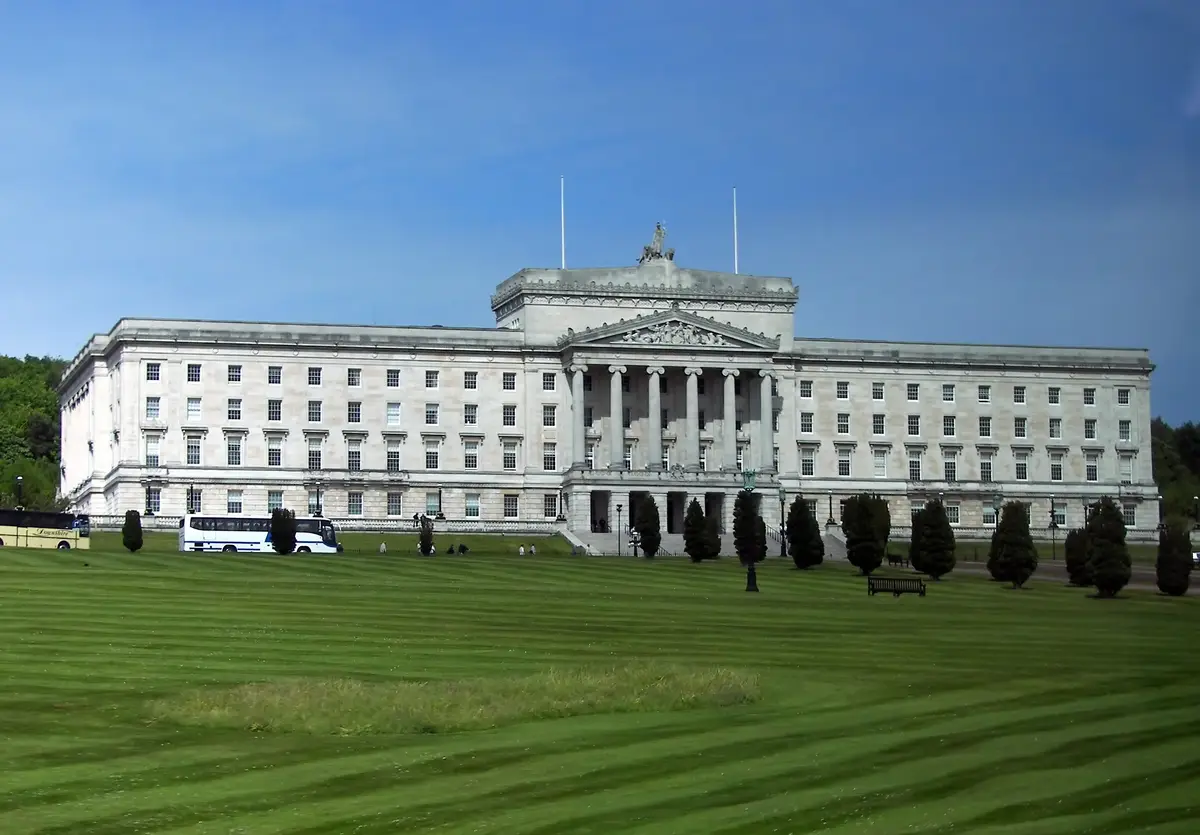
The Northern Ireland Assembly opened a review on July 10 covering Donaldson’s service as a member of the regional legislature from 2003 to 2010 and his later visits to Parliament Buildings as a member of the UK Parliament. The process accepted concerns through August 21 and was due to report to the Assembly’s clerk and chief executive by August 28.
The head of the Northern Ireland Civil Service commissioned a scoping exercise for Donaldson’s tenure as a junior minister from February 2008 to July 2009. Senior civil service human-resources and legal officials are conducting that process, which offers current and former staff a confidential route to share information and was expected to conclude by the end of September.
Hanna wants scrutiny across institutional boundaries
Hanna said one review should examine what was known about Donaldson’s conduct, how political parties and institutions handled concerns, and what lessons should be drawn to protect victims and prevent future failures. She called for a trauma-informed process with a narrow remit and a short but realistic timetable, designed to reduce repeated or poorly coordinated contact with victims.
Her proposal goes beyond the published scope of any one existing process. Hanna also said allegations about Donaldson’s conduct while he served in the UK Parliament should receive appropriate scrutiny, but her statement did not set out the review’s legal powers, chair or relationship with the work already announced.

The UK government says a formal response will follow
Hanna’s office said it had not received a response when it published her statement. The Northern Ireland Office later told the PA news agency that several reviews were already under way and that the secretary of state would formally answer the correspondence shortly.
The Northern Ireland Office did not say whether Bryant would commission the single review Hanna requested. APPI News could not find a published formal response or a UK government decision on the proposal at the time of writing.
Donaldson has lodged an appeal
A jury at Newry Crown Court convicted Donaldson on June 22 of 18 sex offenses, including one count of rape, involving the abuse of two women when they were children between 1985 and 2008. The court remanded him in custody and scheduled a sentencing hearing for September 25.
Donaldson’s lawyer said on July 17 that appeal papers had been lodged with the relevant court office. The appeal had not been heard at the time of writing, so the convictions remained in force while the four institutional processes remained separate.
Sources and further reading
- Victims of Crime Commissioner Calls for Single Donaldson Review(Commissioner for Victims of Crime Northern Ireland)
- Secretary of State for Northern Ireland appointment: Sir Chris Bryant statement(Northern Ireland Office)
- Statement – Democratic Unionist Party(Democratic Unionist Party)
- UUP launching ‘independent confidential’ review into Jeffrey Donaldson(ITV News)
- Review of Alleged Abuse or Inappropriate Behaviour Associated with Jeffrey Donaldson in Parliament Buildings(Northern Ireland Assembly)
- Notice to former Northern Ireland Civil Service staff(The Executive Office)
- Commissioner calls for single review into actions of Jeffrey Donaldson(Perspective Media)
- Jeffrey Donaldson found guilty of rape and 13 charges of indecent assault and four of gross indecency(The Irish News)
- Jeffrey Donaldson to appeal child sex offences conviction(The Irish Times)