The United Nations World Food Programme (WFP) said on August 5 that a strengthening El Niño could push another 49 million people into acute hunger across 45 vulnerable countries by the end of 2027. WFP's early analysis puts the total at 274 million people, 22 percent above a baseline of 225 million, with the sharpest effects expected from September through December 2026.
The projection is a warning scenario rather than a measured outcome. El Niño shifts rainfall and temperature patterns across large parts of the world, but its effects vary by region: some farming areas face drought and heat while others face heavier rain and flooding. Food prices, conflict, household income and the reach of humanitarian assistance will also shape how a weather shock translates into hunger.
Regional exposure is concentrated in Africa and Latin America
WFP projected more than 18 million additional people facing acute hunger in eastern and southern Africa, an increase of about 26 percent. Latin America and the Caribbean could add about 16 million, while the Asia-Pacific region could add roughly 8.2 million. West and Central Africa could record nearly 6 million additional cases, or about 12 percent more than the agency's baseline.
Central America showed the steepest proportional increase in the assessment, at about 83 percent. That rate does not mean the region has the largest number of affected people; it describes the change from its own baseline. UN News reported that the estimates cover 45 countries already vulnerable to food insecurity and climate shocks.
El Niño changes risk through rainfall, harvests and prices
El Niño begins with unusually warm surface water in the central and eastern equatorial Pacific. The ocean change alters atmospheric circulation, shifting the timing and location of rain. Harvest losses can then reduce local food supplies and farm income, while damaged roads or floods can interrupt transport and raise the cost of moving food.
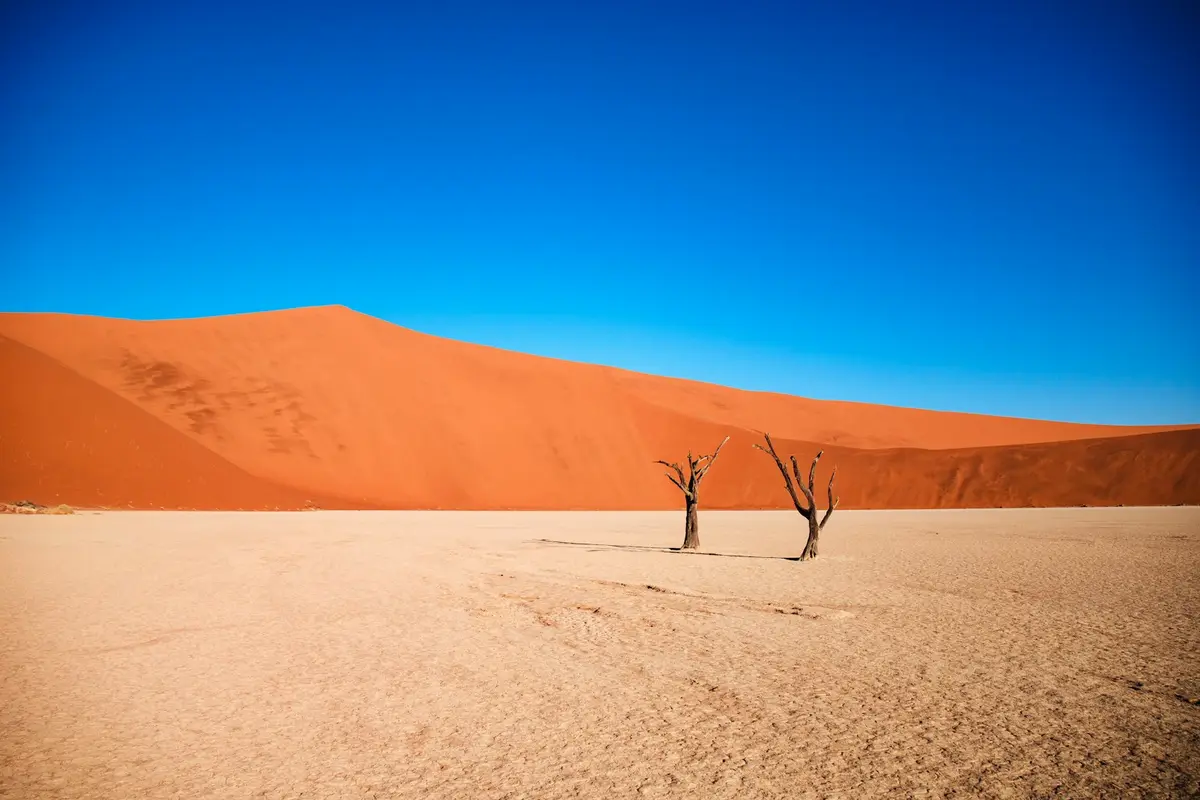
The same climate event can produce opposite hazards in different places. Dry conditions may reduce crop yields in one area while intense rain damages fields, storage facilities and roads elsewhere. This is why the WFP estimate covers a group of exposed countries rather than applying one global percentage to agricultural output.
WFP has started early measures in six countries
WFP said it had activated anticipatory measures in South Sudan, Chad, Mauritania, Uganda, Guatemala and El Salvador. Since May 2026, the agency said it had committed more than US$14 million and reached 500,000 people. The measures can include cash, food stocks or support intended to protect crops and livelihoods before forecast conditions peak.
WFP estimated that each US$1 spent on anticipatory action can avert US$3 to US$7 in later losses and emergency costs. The estimate reflects earlier operations and does not guarantee the same return in every country or for every intervention.
Funding and data gaps could obscure the final toll
Early action depends on forecasts, household data, local delivery networks and money arriving before conditions worsen. Funding constraints can reduce both the number of families reached and the frequency of field assessments. A thinner evidence base makes it harder to identify where food access is deteriorating fastest.
WFP's 49 million figure could move in either direction as the event develops. A weaker climate shock, favorable local rain or a well-funded response could reduce the toll. Severe weather combined with conflict, high prices or delayed aid could produce a worse outcome.
Past events show why the forecast matters
WFP said the strong 2015-2016 El Niño left an estimated 60 million to 100 million people food insecure. That historical range is not directly comparable with the new projection because countries, baselines and methods can change between assessments. It does show that a Pacific climate cycle can become a broad food-access crisis when it strikes populations already under pressure.
The agency's current estimate extends through the end of 2027 because hunger can persist after weather conditions ease. Families may lose harvests, livestock, savings or income during the initial shock, and recovery can take more than one growing season. The scale of that longer impact will remain uncertain until WFP and national partners publish updated country data.