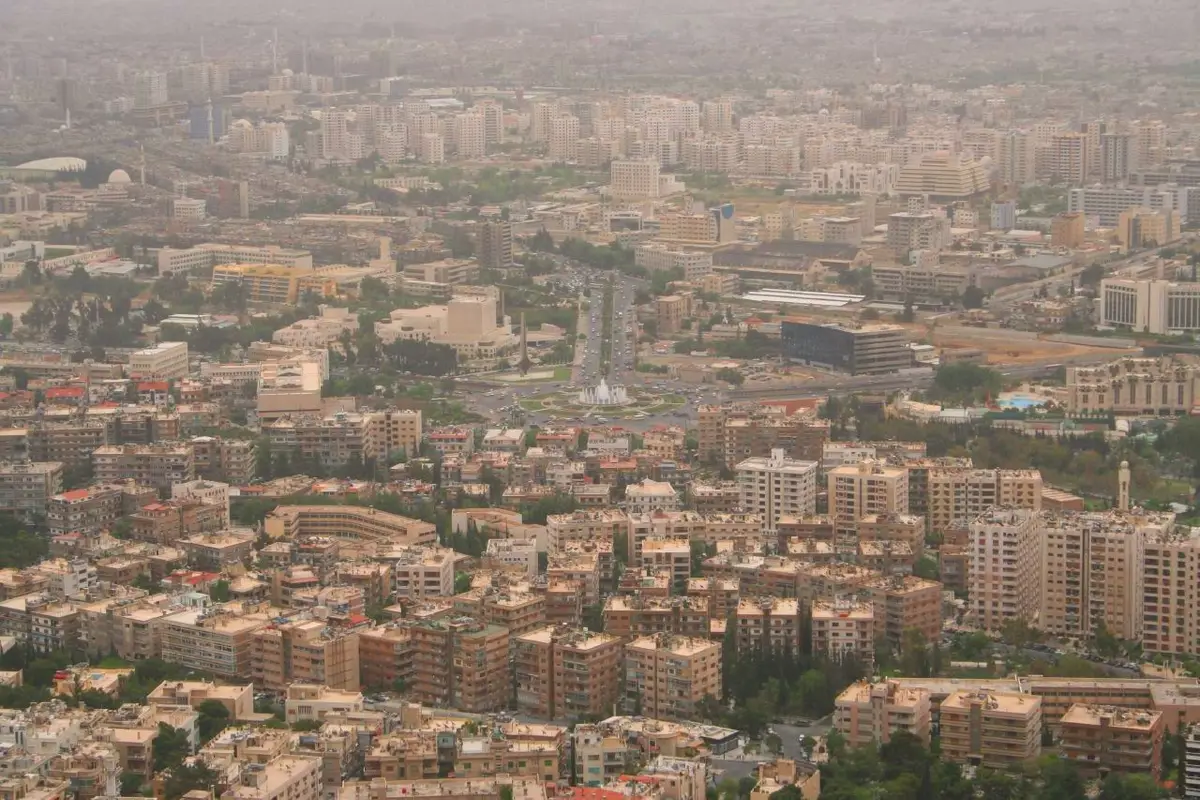
The World Bank approved a $100 million grant on August 7, 2026, to rebuild core parts of Syria's financial system. The International Development Association (IDA), the World Bank fund that provides grants and concessional financing to lower-income countries, will supply the money for payment infrastructure, bank rehabilitation and stronger oversight.
The program sets adoption targets but does not report existing results. During implementation, it aims to support at least 15 million electronic retail payments each year and active digital-payment use by at least 500,000 people and businesses, including 150,000 women.
What the grant will fund
The Syria Financial Sector Modernization Project will finance payment and financial-market infrastructure, credit systems and upgrades to the Central Bank of Syria's core banking technology. It also covers information technology and cybersecurity capacity.
The World Bank said the project would fund independent asset-quality reviews across public and private banks, risk-based supervision, regulatory technology and tools to combat money laundering and terrorist financing. The reviews are intended to cover the entire banking system and inform later reforms.
A banking system still centered on cash
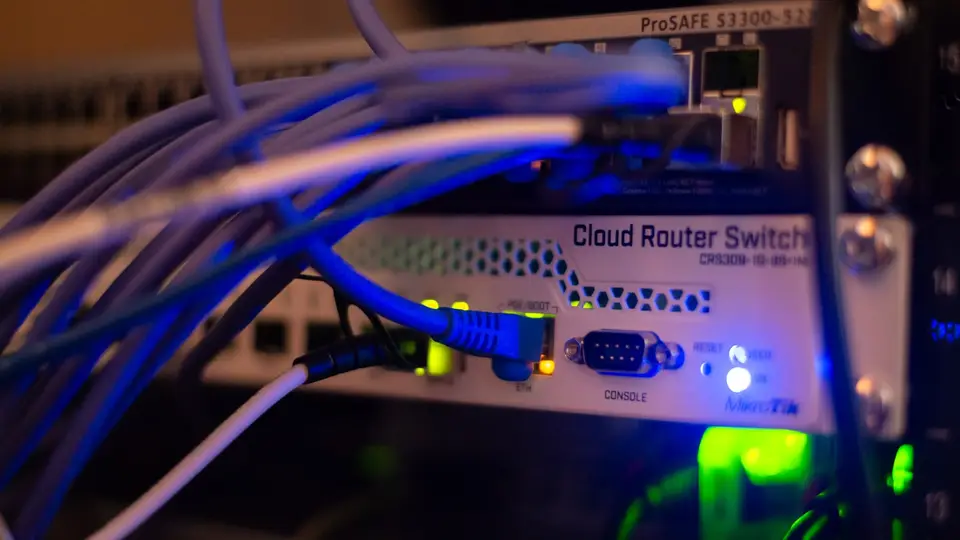
The World Bank describes Syria's financial sector as small, concentrated around banks and heavily dependent on cash after 14 years of conflict. It says outdated payment infrastructure and weak supervisory and financial-integrity systems increase transaction costs, restrict access to finance and hinder links to international financial channels.
The $100 million program seeks to establish basic systems rather than complete the country's wider economic reconstruction. It is designed to make wage and pension payments, remittances, business transactions and government payments more reliable, while giving supervisors better information about bank balance sheets and financial crime risks.
Why World Bank financing resumed
World Bank operations in Syria had been suspended for 14 years. Saudi Arabia and Qatar paid about $15.5 million in overdue Syrian obligations to IDA in May 2025, restoring Syria's eligibility for new operations subject to World Bank policies. The institution then approved a series of grants for infrastructure and public institutions.
The resumption also followed changes to sanctions after the fall of Bashar al-Assad's government. The European Union decided in May 2025 to lift its economic sanctions on Syria while retaining measures tied to the former Assad government, security concerns and internal repression.
The United States ended its comprehensive Syria sanctions program in June 2025 but kept restrictions on Assad associates, human-rights abusers, drug traffickers, terrorist groups and other designated actors. The remaining measures mean that sanctions exposure can still depend on the people, entities and payment channels involved in a transaction.
Targets are not a timetable
The World Bank announcement does not give a completion date or annual disbursement schedule. Its targets apply over the implementation period, so they should not be read as a forecast that 15 million payments or 500,000 users will be reached in 2026.
Delivery will require procurement, technical upgrades and stronger institutions at the Syrian central bank and across commercial banks. The project also has to operate in an economy where years of conflict have damaged infrastructure and reduced the capacity of public agencies and financial institutions.
The scale of the wider rebuilding effort
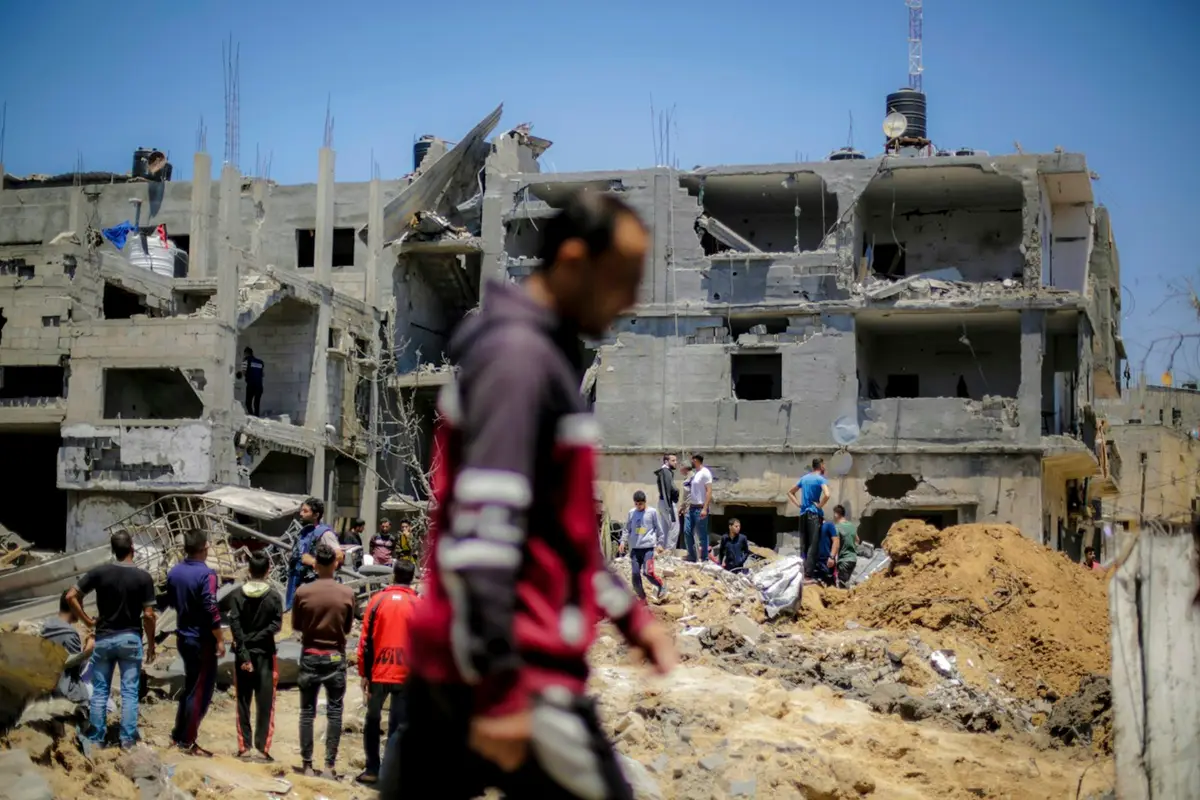
A 2025 World Bank assessment put the best estimate for rebuilding Syria's damaged physical assets at $216 billion, with a range of $140 billion to $345 billion. The estimate covers infrastructure and buildings, not every cost of restoring services or rebuilding institutions.
Against that figure, the financial-sector grant is narrow in scale. Its importance will depend on whether the new payment, supervisory and banking systems become operational and attract sustained use, outcomes the approval itself does not guarantee.
Frequently asked questions
Are the payment targets current figures?
No. The 15 million annual electronic payments and 500,000 users are goals for the project's implementation period.
When is the project due to finish?
The World Bank's August 7 announcement did not provide a completion date or a year-by-year disbursement plan.
Have all sanctions on Syria ended?
No. The European Union and United States removed broad economic restrictions, but both retained targeted measures. A transaction may still be restricted depending on the parties and activity involved.
Sources and further reading
- Syria: World Bank Approves US$100 Million Grant for Financial Sector Modernization(World Bank)
- Syria's Arrears to the World Bank Group Cleared(World Bank)
- Syria: Council statement on the lifting of EU economic sanctions(European Commission)
- Treasury Implements President's Termination of Syria Sanctions(US Department of the Treasury)
- Syria's Post-Conflict Reconstruction Costs Estimated at $216 billion(World Bank)