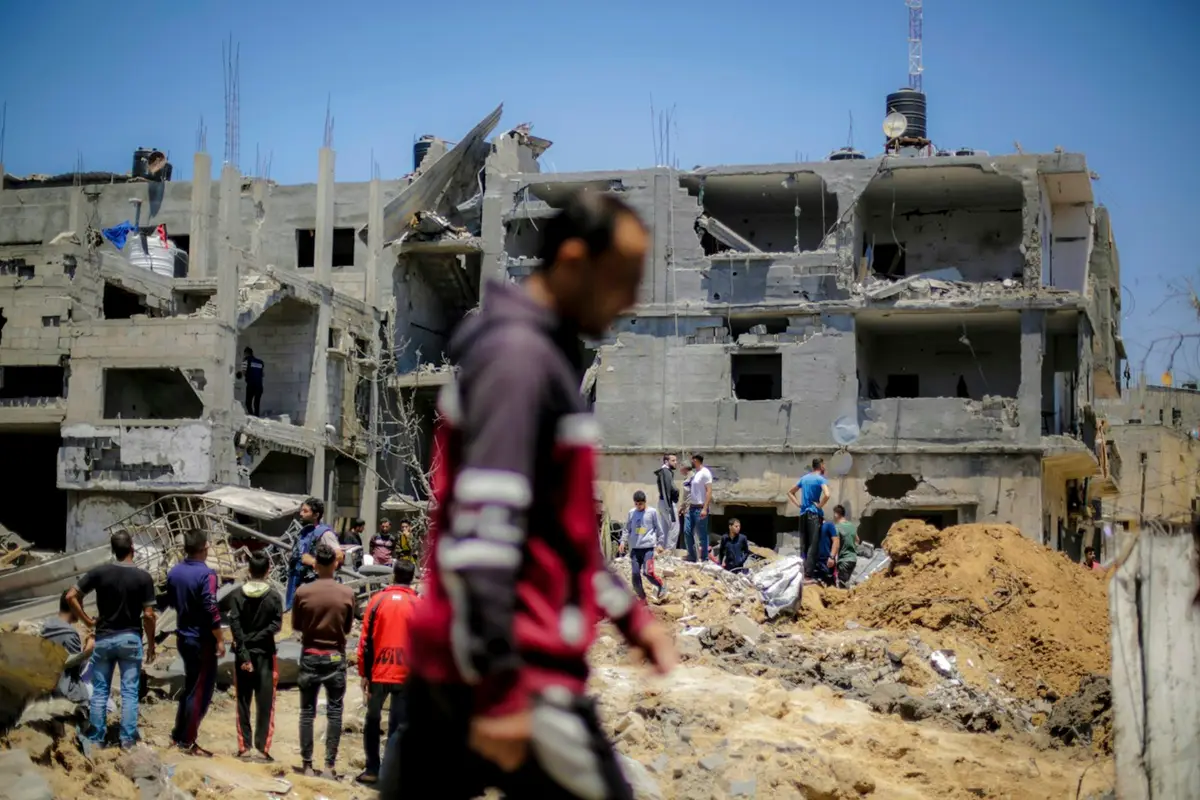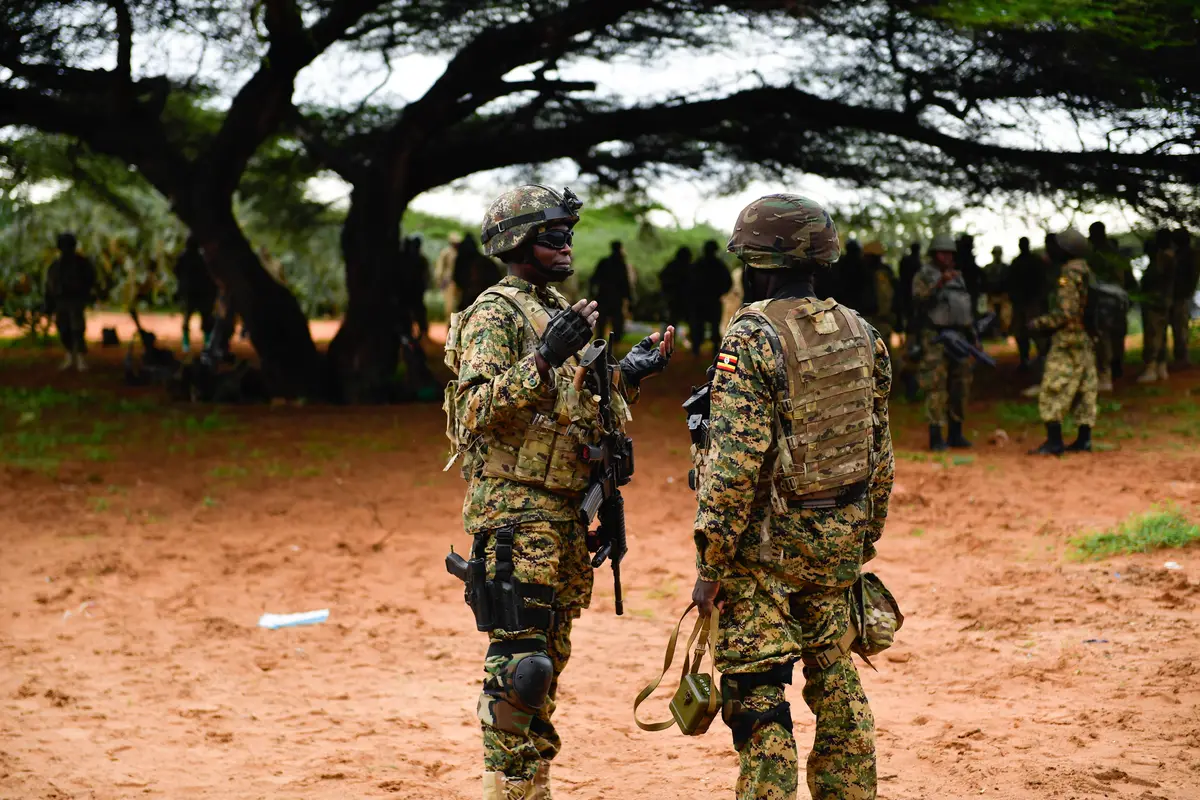
Israel's military said on August 19, 2026, that it would not open a criminal investigation into the April 1, 2024, strikes that killed seven World Central Kitchen (WCK) workers in Gaza. The military said people in the vehicles had been mistakenly identified as armed Hamas operatives, but the commanders' decisions did not raise a reasonable suspicion of criminal misconduct. The WCK case was among three aid-worker cases that did not proceed to criminal investigation after military reviews of 150 incidents.
Australia summoned Israel's ambassador on August 20 and said the decision fell short of the accountability it expected. The Associated Press reported that Australian Foreign Minister Penny Wong considered the earlier dismissal of two officers and reprimands for three commanders insufficient, and said Australia still had not received requested audio from the drone recordings.
WCK rejected the military's latest account of the convoy's movements and the events preceding the strikes. The organization said the account combined different timelines and shifted blame, and it renewed its call for an independent investigation.
The 2024 inquiry found serious failures
The Israel Defense Forces (IDF) said in April 2024 that its personnel struck three WCK vehicles after a commander mistakenly concluded that armed Hamas members were inside them. The review called the attack a serious violation of military orders and standard operating procedures, and said seven innocent aid workers were killed.
The IDF dismissed a brigade fire-support commander and a brigade chief of staff from their posts. It also reprimanded three senior commanders, including the head of Israel's Southern Command, but those administrative actions did not determine whether criminal charges should follow.
Australia appointed retired Air Chief Marshal Mark Binskin to review Israel's response for the Australian government. Binskin's August 2024 report said he had no investigative powers and viewed 90 minutes of unedited drone video without audio.
The report placed the three strikes about two minutes apart over a four-minute period. It assessed that the IDF did not knowingly target WCK personnel, but found that military controls failed and that the second and third vehicles were struck without a new identification process. Binskin attributed the first death to a failure to follow the intent of a senior command direction and a mistaken identification, and the other six deaths to violations of IDF procedures and rules of engagement.
WCK said its three vehicles were marked, their movements had been coordinated with Israeli authorities and all seven occupants were civilians. The organization asked the governments of the workers' home countries to support an independent third-party investigation and requested preservation of documents, communications and recordings.

Administrative penalties did not lead to a criminal case
The August 2026 decision leaves the dismissals and reprimands as the military's public personnel response to the WCK strikes. It does not amount to a judgment by an independent court, and APPI News found no published court ruling assigning individual criminal responsibility for the attack.
The military advocate general reached a different decision in two other cases reviewed at the same time, opening criminal investigations into the killings of five-year-old Hind Rajab and her family in 2024 and 15 Palestinian emergency workers in 2025. The announced WCK decision stops short of that criminal-investigation stage despite the operational failures the military acknowledged in 2024.
Compensation remains a proposal, not an outcome
Binskin's report said a formal apology by Israel's government was an important consideration and could provide an opportunity to offer compensation to the seven workers' families. The report did not decide that compensation was legally owed, establish a claims procedure or set an amount.
APPI News could not find a published compensation claim, offer, agreement or payment as of August 21, 2026. Compensation therefore remains a proposed form of redress rather than a confirmed remedy in this case.
Evidence and an independent review remain outstanding
Australia's foreign ministry said on April 1, 2026, that it was still pressing for transparency, full accountability and any appropriate criminal charges. The later decision answered whether Israel's military would open a criminal investigation, but it did not provide Australia with the requested drone audio.
WCK and Israel's military continue to dispute parts of the sequence that led to the strikes. APPI News could not locate a published independent third-party investigation that resolves those differences, nor an English-language public copy of the Israeli military advocate general's August 2026 decision.
Sources and further reading
- Israel's military will investigate killings of Hind Rajab and Palestinian paramedics(Associated Press)
- Australia summons Israeli ambassador over Gaza aid worker death(Reuters via MarketScreener)
- Conclusion of the Investigation Into the Incident in Which WCK Employees Were Killed During a Humanitarian Operation in Gaza(Israel Defense Forces)
- Special Adviser public report on the government of Israel's response to the IDF attack on World Central Kitchen aid workers in Gaza on Monday 1 April 2024(Australian Department of Foreign Affairs and Trade)
- WCK calls for independent investigation into IDF strikes(World Central Kitchen)
- Two years since the death of Zomi Frankcom(Australian Minister for Foreign Affairs)