Human Rights Watch said on August 6 that Israeli attacks in southern Lebanon on April 22 that killed Al-Akhbar reporter Amal Khalil and seriously wounded freelance photographer Zeinab Faraj included apparently deliberate attacks on civilians. The organization said the evidence warranted a war-crimes investigation, while Israel's military maintained that people at the site had posed a threat.
Human Rights Watch said its reconstruction drew on witness interviews, phone records, visual material and information about communications involving peacekeepers and rescuers. Its account has not been tested by a court, and the Israeli military had not released the findings of its internal review at the time of writing.
Strikes followed the journalists' arrival in al-Tayri
Khalil and Faraj were reporting near al-Tayri when an Israeli strike hit a vehicle ahead of them at about 2:30 p.m. local time, according to Human Rights Watch. The journalists took cover nearby after two men in the vehicle were killed.
Human Rights Watch said witnesses saw an Israeli drone circling above the journalists from about 3 p.m. for more than an hour. The United Nations Interim Force in Lebanon (UNIFIL) relayed a Lebanese Red Cross request that included the journalists' location and the proposed rescue route, the organization said.
The report said another attack struck the journalists' vehicle before a strike hit the building where they had sheltered at about 4:25 p.m. Khalil died later that day, while Faraj was evacuated with injuries to her head, eyes, arms and legs.
Rescue accounts remain contested
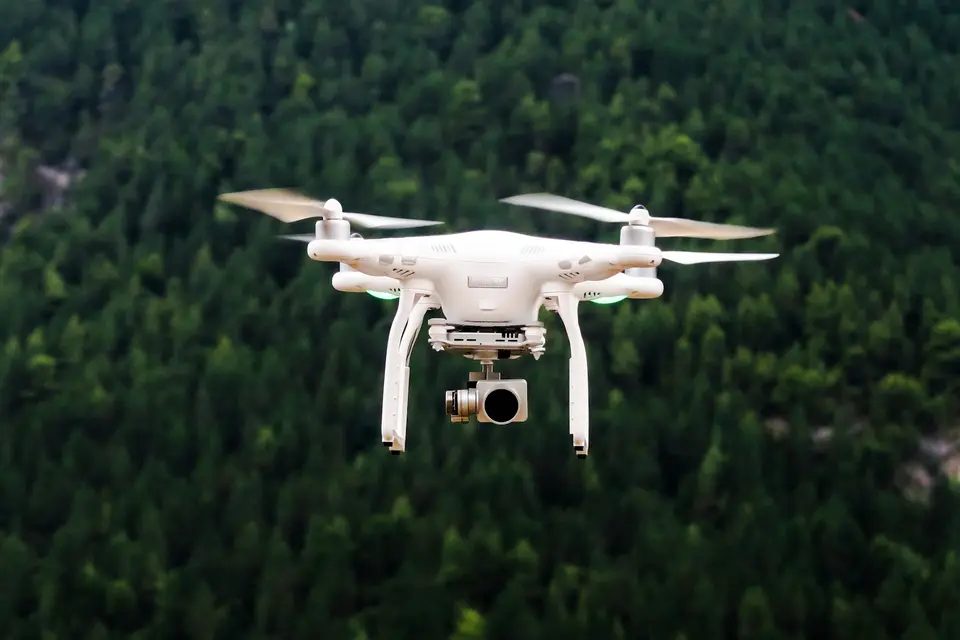
Human Rights Watch said a quadcopter dropped a stun grenade near rescuers and that an ambulance was hit by small-caliber fire. Its reconstruction said Khalil remained in contact with emergency personnel until minutes before the strike on the building.
The Committee to Protect Journalists reported on April 23 that continuing shelling and direct fire at ambulances prevented emergency crews from reaching the journalists promptly. CPJ said Faraj was evacuated after limited access was granted, but rescuers were unable to save Khalil.
Israel's military denied that it had obstructed rescue teams and said it does not target journalists. The same report said Khalil was last heard from at about 4:10 p.m. local time, a difference from the later time cited in the Human Rights Watch reconstruction.
Israel says the site was linked to Hezbollah
Israel's military said two vehicles had emerged from a Hezbollah military facility and described the four people involved as saboteurs who approached Israeli forces in a way that posed an immediate threat. It said the air force first struck a vehicle and then targeted the building where the people had taken cover.
The military later told Human Rights Watch that a preliminary review found Khalil was killed during an operation against two members of Hezbollah's military wing. Human Rights Watch said the military did not provide evidence showing that the two men in the first vehicle were lawful military targets or respond to its detailed questions about later attacks.
What the war-crime allegation means
The International Committee of the Red Cross says journalists are civilians protected from direct attack unless and for such time as they take a direct part in hostilities. Ordinary reporting, photography and filming do not meet that threshold, according to the ICRC.
The ICRC says intentionally directing an attack against civilians, including journalists, is prohibited and may constitute a war crime. Human Rights Watch based its allegation on its assessment that Israeli forces had information indicating journalists and rescuers were present before the later strikes.
That assessment does not itself establish individual criminal responsibility. A legal finding would require an independent investigation to determine what those who authorized or carried out each attack knew, whether any lawful military target was present and whether the applicable intent requirements were met.
Pressure for an independent investigation
CPJ called for an international investigation the day after Khalil's death. Its case record identifies Khalil as an Al-Akhbar reporter killed in an Israeli airstrike while on assignment and says Faraj was seriously wounded.
CPJ has also documented at least 15 journalists and media workers killed by Israeli fire in Lebanon since October 7, 2023. That broader count does not decide the legality of the April 22 attack, which remains disputed and has not produced a public judicial finding.
Sources and further reading
- Lebanon: Israel's Killing of Journalist an Apparent War Crime(Human Rights Watch)
- How does IHL protect journalists in armed conflict(International Committee of the Red Cross)
- CPJ calls for urgent international investigation into Israel's killing of Lebanese journalist Amal Khalil(Committee to Protect Journalists)
- Amal Khalil(Committee to Protect Journalists)
- What we know about Israel killing Lebanese journalist Amal Khalil(Al Jazeera)