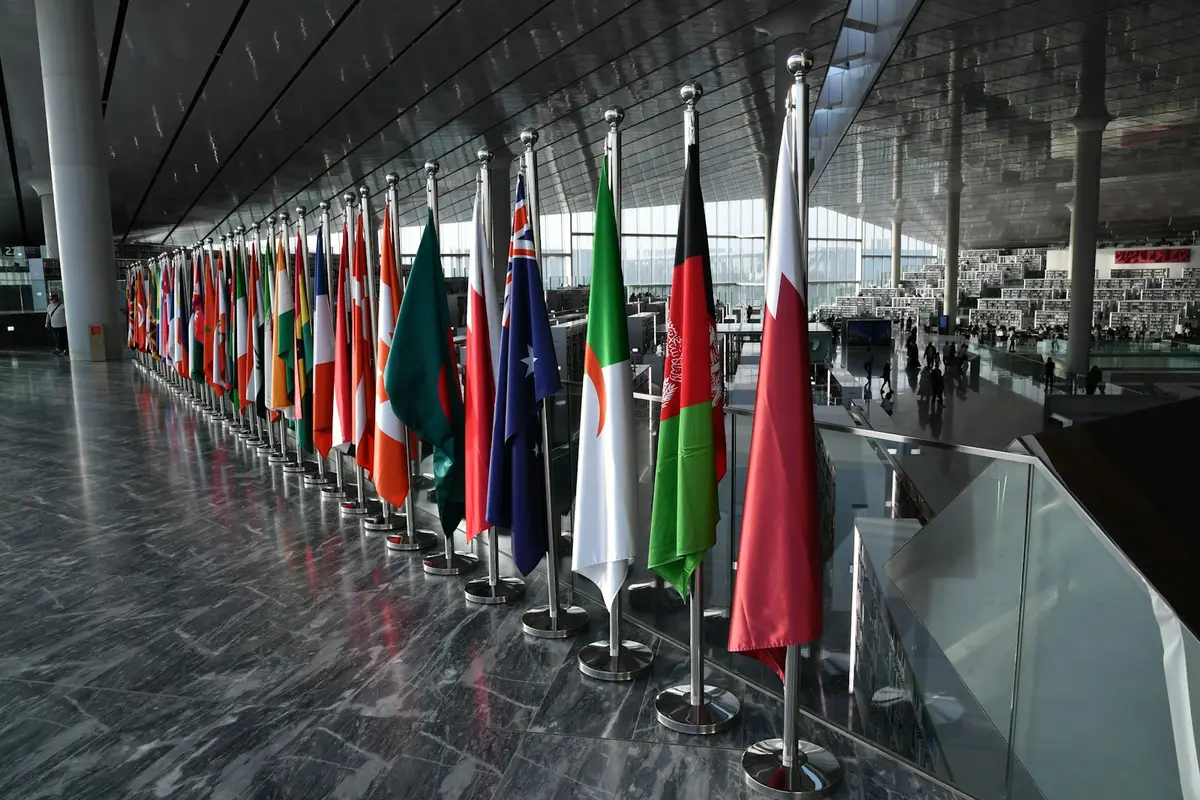
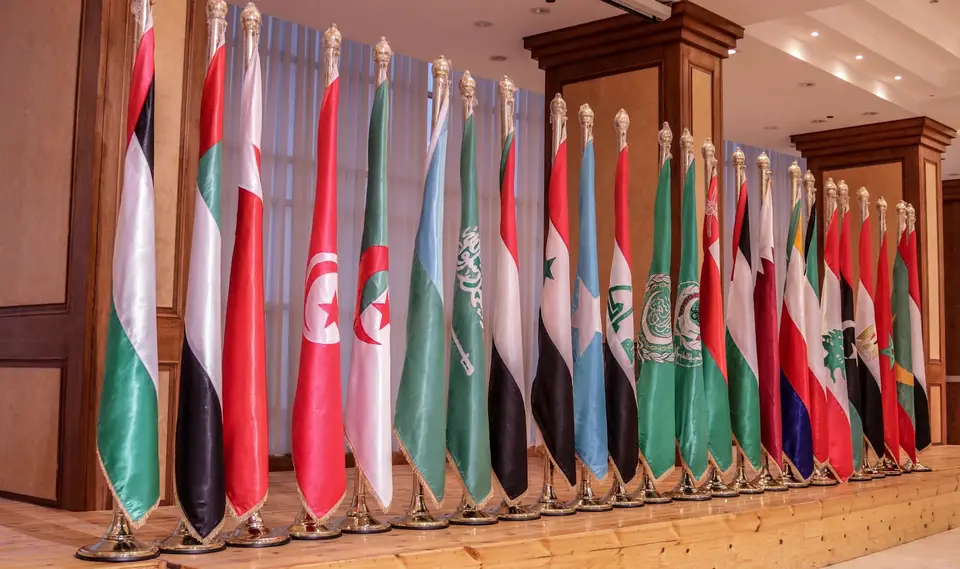
Saudi Arabia, Turkey and Pakistan signed the Mecca Joint Defense Agreement on August 7, committing each country to regard an armed attack on one as an attack on all three. The Associated Press reported that Saudi Crown Prince Mohammed bin Salman, Turkish President Recep Tayyip Erdogan and Pakistani Prime Minister Shehbaz Sharif signed the agreement in Mecca, Saudi Arabia.
The public statements describe a collective-defense commitment but do not promise an automatic or uniform military response. The governments said the pact would expand defense cooperation and deterrence, while Saudi Arabia said it was not an attempt to create a military axis or religious bloc and was not linked to nuclear ambitions or an arms race.
How assistance could work
Turkish Foreign Minister Hakan Fidan said an attacked member would have to request help. Fidan said the other countries' assistance could include intelligence sharing, logistical support or military units, depending on the scale of the threat. He also said foreign and defense ministers and military chiefs would meet regularly, supported by a secretariat in Saudi Arabia.
The governments tied the arrangement to the right of individual and collective self-defense under Article 51 of the United Nations Charter. They said it was not directed at a named country and would not replace the members' existing bilateral or multilateral commitments. Pakistan and Turkey are therefore joining a new framework without Turkey leaving the North Atlantic Treaty Organization (NATO).
Fidan compared the mutual-defense clause with Article 5 of the North Atlantic Treaty, but the two arrangements should not be treated as interchangeable. NATO's treaty says an attack on one member is an attack on all, while allowing each ally to take the action it considers necessary, including armed force. The full Mecca agreement was not available in a public document APPI News could locate, preventing a clause-by-clause comparison of territory, consultation and decision procedures.
The nuclear question comes from an earlier pact
Pakistan is a nuclear-armed state, but the statements published after the Mecca signing did not extend an explicit nuclear guarantee to Turkey or Saudi Arabia. Saudi Arabia's statement instead separated the new agreement from nuclear ambitions and an arms race. Any description of the trilateral pact as a nuclear umbrella goes beyond the terms disclosed publicly.
The nuclear question stems from a separate Saudi-Pakistani agreement signed in Riyadh in September 2025. That bilateral pact also treated aggression against either country as aggression against both. The Arms Control Association reported that Pakistan's defense minister said the country's nuclear capabilities would be available to Saudi Arabia, although the joint statement did not specify extended nuclear deterrence.
The same report estimated that Pakistan held about 170 nuclear warheads and noted that it is not a party to the Treaty on the Non-Proliferation of Nuclear Weapons. Those facts explain the scrutiny surrounding the new pact, but they do not establish which weapons Pakistan would use, what circumstances would trigger their use or whether Turkey has received a nuclear commitment.
Regional timing and reactions
The agreement was signed during a period of conflict involving Iran and attacks on Saudi infrastructure and oil facilities. Saudi Arabia has sought a wider set of defense relationships, while Turkey and Pakistan have expanded their own military and defense-industry cooperation.
Iranian lawmaker Ebrahim Rezaei criticized the pact and said a paper agreement would not bring Saudi Arabia security. The three signatories rejected the premise that Iran or another state was a designated target. Their statements leave open how they would classify attacks by armed groups, cyber operations or strikes linked to a broader regional war.
What remains undisclosed
The public account does not define the threshold for an armed attack, the deadlines for requesting help or the national approvals required before forces could deploy. It also does not disclose whether assistance is mandatory in a specified form. Fidan's description indicates that the response could vary with the threat rather than follow a single predetermined formula.
The agreement is open to other countries that accept its stated principles, according to officials, but no accession rules were included in the material APPI News could verify. The pact's practical weight will depend on the procedures the three governments adopt and on how they respond to a real request for assistance.
Frequently asked questions
Does an attack on one country automatically bring all three into a war?
The agreement treats an armed attack on one as an attack on all, but public statements do not prescribe one automatic response. Turkey's foreign minister said assistance would follow a request and could take several forms.
Does the agreement give Saudi Arabia and Turkey a Pakistani nuclear guarantee?
No explicit nuclear guarantee appeared in the statements available after the signing. A Pakistani minister made a nuclear-related statement about the separate 2025 Saudi-Pakistani pact, whose joint statement was also silent on nuclear weapons.
Is the pact directed at Iran or Israel?
The signatories said it was defensive and did not identify a common adversary. Its timing gives it regional strategic importance, but that does not establish a formal target.
Sources and further reading
- Saudi Arabia, Turkey and Pakistan have signed a key defense agreement(Associated Press)
- Turkey says defense pact with Saudi Arabia and Pakistan is not aimed at Iran or any other country(Associated Press)
- Pakistan Extends Nuclear Deterrence to Saudi Arabia(Arms Control Association)
- The North Atlantic Treaty(North Atlantic Treaty Organization)