Palestinian American homeowner Loui Ridi confronted Israeli settlers outside his Qusra property on August 18, one day after returning from Ohio. Israeli soldiers told him to go back inside because the neighborhood remained a closed military zone. Israel's military said it had cleared the zone but did not answer Associated Press questions about whether settlers remained in or near the village.
Israeli settlers remained close to three Palestinian homes in Qusra on August 14 after Israeli forces intervened in a blockade that had lasted most of the week. The settlers had moved from tents outside the homes into a nearby valley, but residents said they feared the group would return after the troops left.
US Ambassador to Israel Mike Huckabee called the people behind the blockade “terrorists” on August 13 and said the US embassy was coordinating with Israel's military and police. The language marked an unusual rebuke from Huckabee, a longtime supporter of Israeli settlements.
Families lost water, electricity and safe access
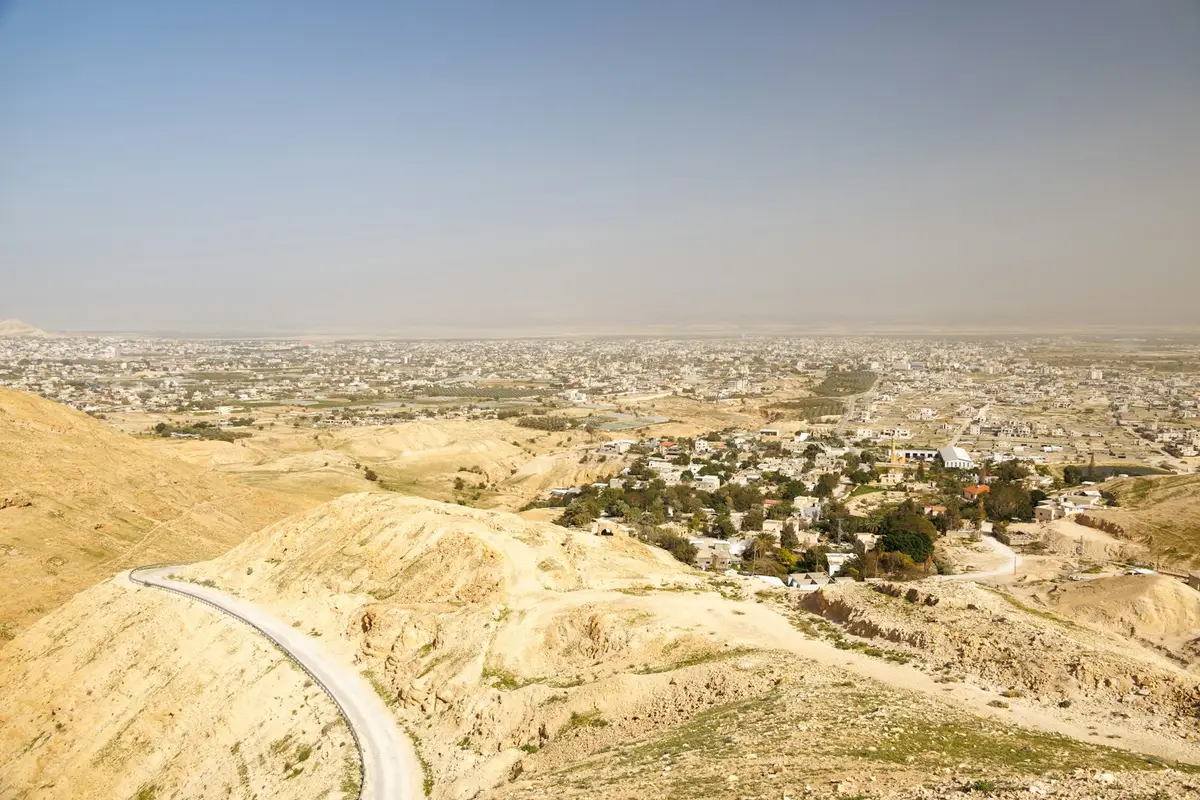
Qusra is about 16 kilometers from Nablus in the northern occupied West Bank. The blockade began on Sunday, August 9, when dozens of settlers arrived at the three homes, blocked their doors and erected tents outside, according to residents interviewed by the Associated Press. The families said they could not leave safely as their food and water supplies ran low.
Qusai Abu Rida stayed in one house with his teenage son after settlers cut the water and electricity, leaving them dependent on well water. His brother Loui Ridi, a Palestinian American living in Ohio who owns the house, monitored the blockade on security cameras until they went offline on August 13.
Israeli action did not end residents' uncertainty
Israel's military condemned the blockade as illegal and unacceptable on August 11 and declared Qusra a closed military zone. On August 13, it said troops had dismantled what it called two illegal outposts in Qusra and a nearby village, detained one Israeli and deployed more soldiers.
Qusra Mayor Abdel Azim Wadi told the Associated Press that Israeli forces evacuated more than a dozen homes to establish positions in the village while settlers remained elsewhere nearby. The military said troops had been instructed to let families stay in their homes, but Abu Rida said some residents had not returned. Ridi also said settlers cut the water and electricity again after the services had briefly been restored.
On August 14, Israeli soldiers blocked a road as activists tried to carry food and water toward the homes, while settlers remained in the valley below. The Associated Press later reported that calm had been restored, but residents said they wanted a permanent resolution rather than another short removal.
That day, Israeli Defense Minister Israel Katz announced that enforcement powers involving Israeli civilians in the West Bank would move from the military to Israel's police. The military can generally detain Israeli civilians only temporarily, while Israel's police and civilian courts handle investigations and prosecutions; Palestinians accused of crimes can be arrested by the military and tried in military courts.
Qusra had the highest recorded attack count in April
The United Nations Office for the Coordination of Humanitarian Affairs (OCHA) recorded 27 settler attacks that caused casualties or property damage in Qusra through April 6. That was the highest count for any single West Bank community at that point in 2026. OCHA said one Palestinian had been killed and eight had been injured in those attacks.
The same OCHA report documented more than 580 settler attacks across over 190 West Bank communities through April 6. It also recorded about 360 Palestinians injured by settlers and eight killed by settlers in 2026 by that date.
By August 14, Palestinian officials had reported 1,476 settler attacks in 2026, and the Palestinian Authority's Health Ministry said Israeli settlers and soldiers had killed 87 Palestinians in the West Bank. The Associated Press noted that Palestinian authorities do not distinguish between militants and civilians in that death count. Israel said some of those killed had taken part in militant activity or rock-throwing.
Sources and further reading
- Palestinian American returns to besieged West Bank home but Israeli settlers remain(Associated Press)
- Israeli settlers' siege of Palestinian homes draws a sharp US rebuke(Associated Press)
- Palestinians besieged in West Bank village fear Israeli settlers will seize their homes(Associated Press)
- Humanitarian Situation Report | 10 April 2026(United Nations Office for the Coordination of Humanitarian Affairs)