Iran and Oman have completed a draft agreement on shipping through the Strait of Hormuz, regional officials said on August 5. The plan still needs Iran's supreme leader's approval, while Washington and Tehran remain divided over fees, control and whether they are negotiating directly.
Two regional officials told the Associated Press that Iranian and Omani negotiators had finalized the draft and were awaiting approval from Iran's Supreme Leader Ayatollah Mojtaba Khamenei. Iran's Foreign Ministry said the text was in its final drafting stage, but no signed agreement or full set of terms had been released.
Draft divides traffic between Iran and Oman
The proposed arrangement would direct ships entering the Persian Gulf through a route controlled by Iran and ships leaving it through a route controlled by Oman. Officials described it as a temporary solution connected to a broader effort to revive US-Iran talks over Tehran's nuclear program.
Officials briefed on the talks said the draft included service fees for security and environmental protection, while a US official said any temporary routes would involve neither Iranian approval nor charges. Washington has also linked a deal to unimpeded navigation, while Tehran has sought a formal role in managing traffic. Any agreement may also depend on the United States lifting its blockade of Iranian ports.
The disagreement matters well beyond the region. About one-fifth of internationally traded oil and natural gas passed through the strait before the war, according to AP. Restrictions and attacks on vessels have disrupted that flow and raised fuel and goods prices in multiple markets.
Washington and Tehran give different accounts of the talks
Trump said the United States and Iran were resuming talks after he withheld a new round of strikes at the request of Qatar, Saudi Arabia and the United Arab Emirates, but Iran's Foreign Ministry said its discussions were with Oman rather than the United States. Iranian officials described those contacts as negotiations over a temporary safe-navigation route.
Trump said reopening the strait would be the first phase and negotiations over Iran's nuclear program would follow. Iran did not confirm that sequence. The opposing public accounts leave unclear whether Washington is a direct participant, receiving messages through intermediaries or trying to influence a bilateral Iran-Oman process.
Jordan attack drove the latest military escalation
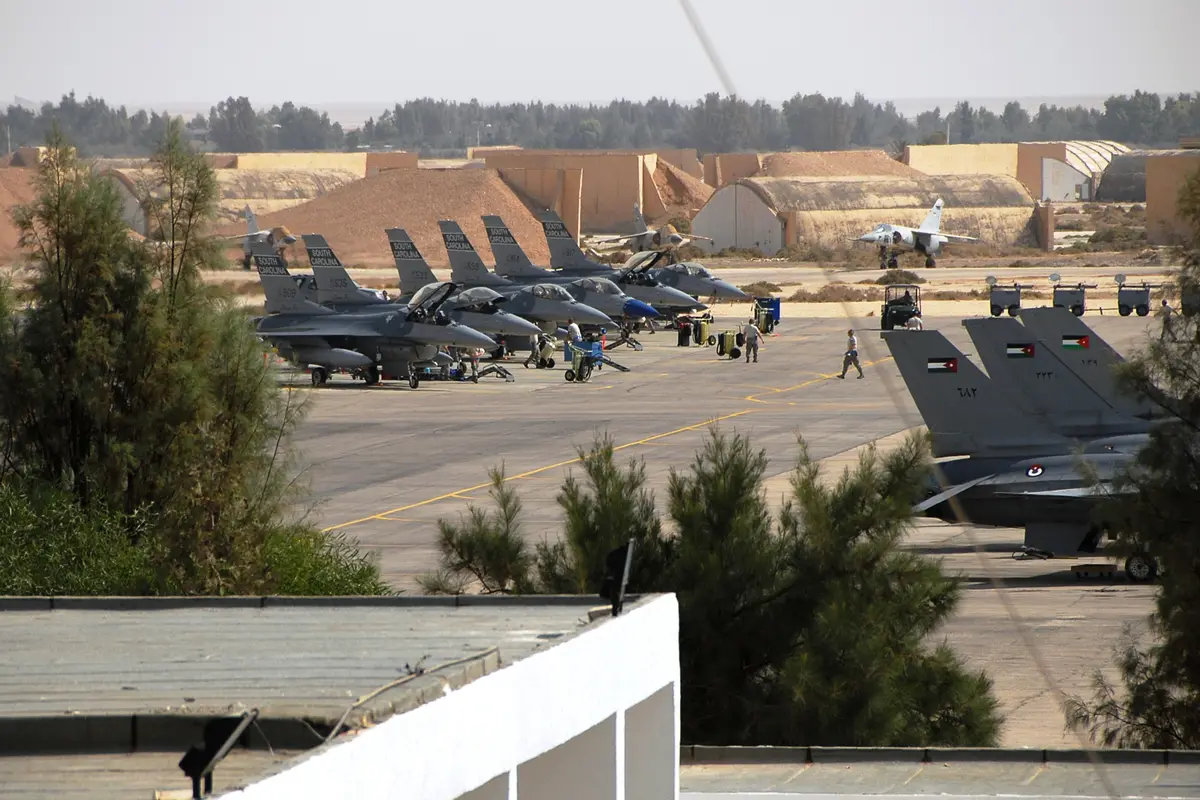
The diplomatic push followed weeks of attacks and counterattacks. An Iranian missile and drone attack on Muwaffaq Salti Air Base in Jordan on July 17 killed two US service members, left one missing and sent four to hospital, according to the US military. The base hosts US aircraft and personnel, and the deaths were the first caused by direct Iranian fire since the opening days of the war.
US Central Command responded with strikes on Islamic Revolutionary Guard Corps targets in southern Iran. The command said the operation was intended to reduce Iran's ability to restrict tanker traffic through the Strait of Hormuz. Iranian authorities reported civilian and infrastructure damage from the wider US campaign, but many casualty figures from the conflict have come from parties to the fighting and have not been independently verified.
Shipping remains exposed while diplomacy continues
The negotiations have not removed the immediate risk to commercial vessels. A cargo ship reported being hit by an unknown projectile off Oman as the talks advanced, and the British maritime security firm Ambrey reported damage. Authorities had not identified the attacker in the reporting reviewed for this article.
The draft's approval process presents another uncertainty. The regional officials cited by AP said Khamenei had not been seen publicly since the war's opening strikes and was believed to have been wounded. Iran has not published details establishing his condition, so reports about his health or ability to review the agreement remain unverified.
What remains unresolved
No public document had settled who would control each lane, whether ships would pay fees, or what steps the United States would take in return. The US blockade, Iran's demand for a management role and the timing of any nuclear negotiations could each prevent a final agreement.
The earlier interim arrangement collapsed amid renewed strikes around the strait. The current draft may create a route for shipping and further negotiations, but the available reporting does not establish when it would take effect or whether all armed forces operating in the area would observe it.
Frequently asked questions
What would the Iran-Oman proposal do?
Officials said it would create separate routes for ships entering and leaving the Persian Gulf, with Iran overseeing the inbound route and Oman overseeing the outbound route. The final terms had not been published.
Why did the United States pause new strikes?
Trump said Qatar, Saudi Arabia and the United Arab Emirates asked him to give diplomacy more time. Iran disputed his description of direct US-Iran talks.
Has the Strait of Hormuz agreement been approved?
No. Officials said negotiators had completed a draft, but it still required approval from Iran's supreme leader and could change before publication.
Sources and further reading
- Iran and the US say a deal on the Strait of Hormuz is near(Associated Press)
- Officials report progress on a deal to reopen the Strait of Hormuz(Associated Press)
- Trump claims Iran talks will reopen strait(Associated Press)
- US military launches new airstrikes to swiftly punish Iran for deaths of US troops(WWSB / Associated Press)