Mali's Azawad Liberation Front (FLA) released 82 government soldiers on August 13, 2026, the Malian Armed Forces and FLA spokesperson Mohamed Elmaouloud Ramadane said. Ramadane said the releases were made on humanitarian grounds; he said some of the soldiers had been held since 2023 and about 118 others remained captive.
The Malian army said the 82 soldiers were safe and receiving care. The public reports reviewed by APPI News did not list their names or explain how the total was compiled, and APPI News could not independently verify each identity or detention date.
The release followed the April offensive
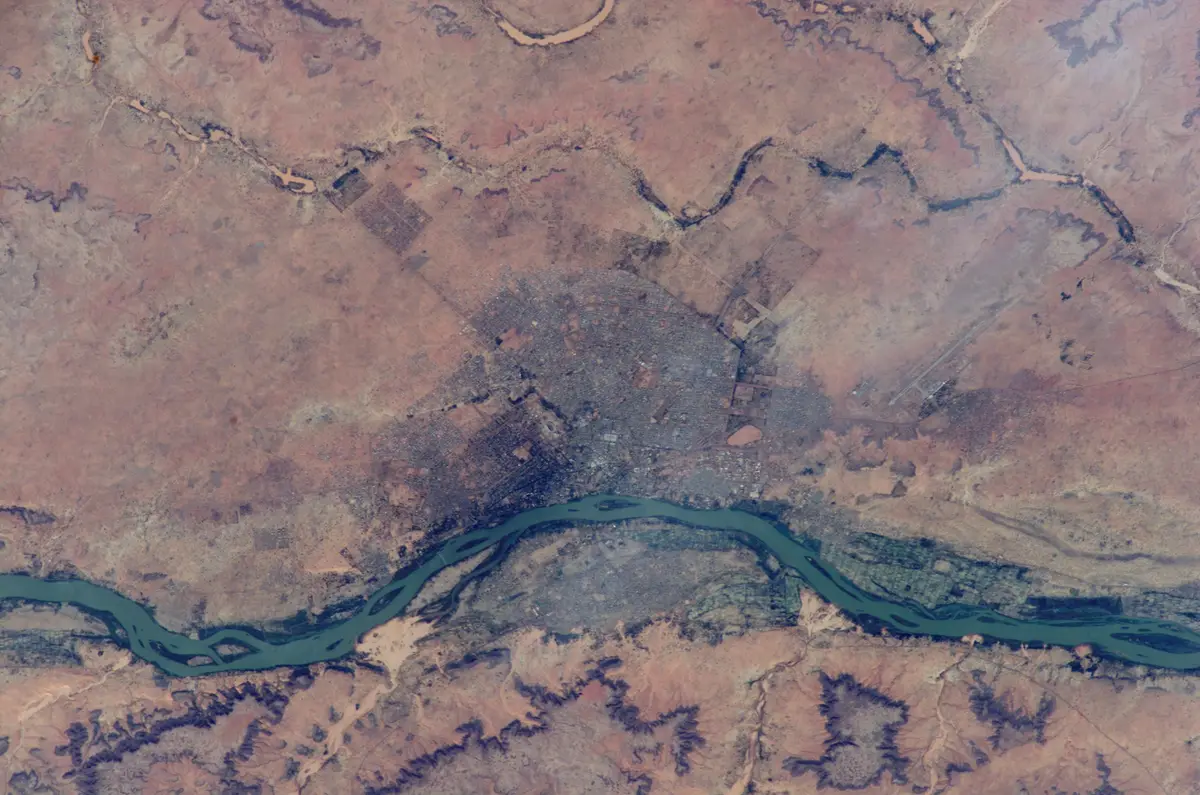
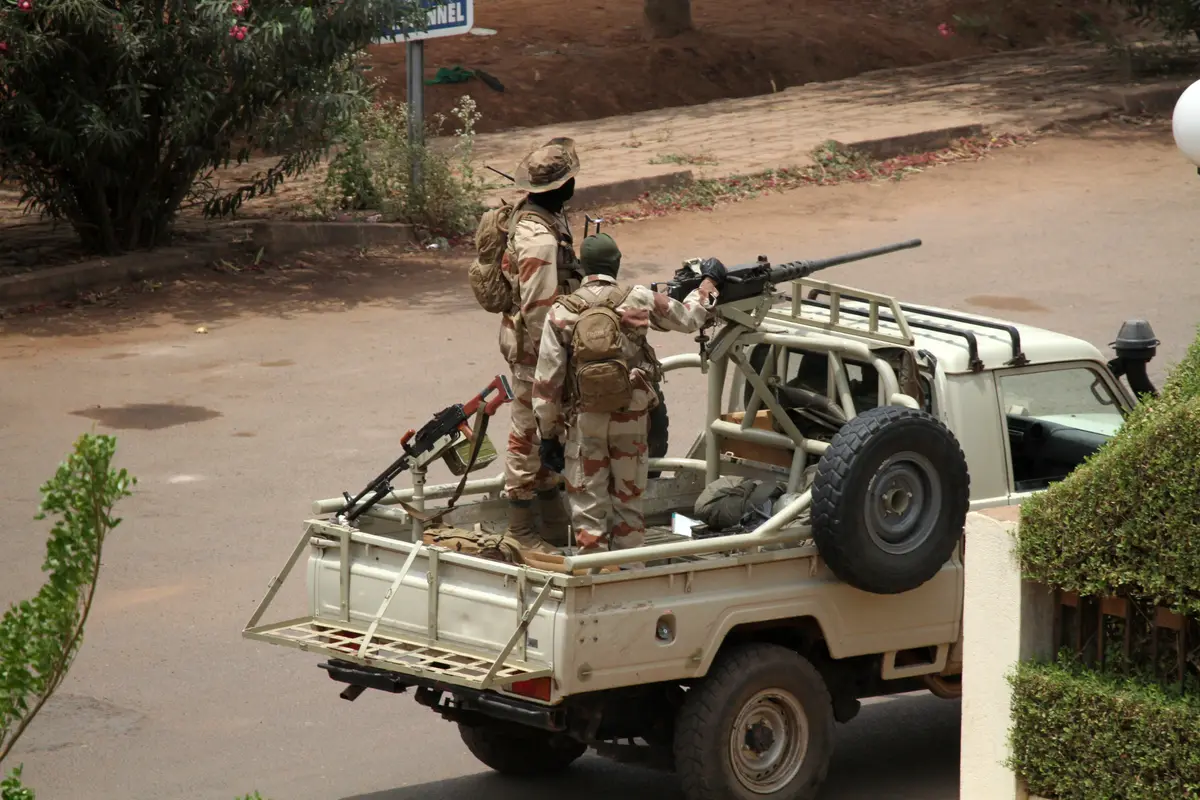
Some of the released soldiers were captured during a coordinated April 25 offensive by the FLA and Jama'at Nusrat al-Islam wal-Muslimin (JNIM), an al-Qaeda-linked armed group. The attacks targeted the airport in Mali's capital, Bamako, the nearby garrison town of Kati and several cities in northern and central Mali.
Mali's government confirmed that Defense Minister General Sadio Camara was killed after attackers struck his home in Kati. Al Jazeera reported that a suicide car bomb hit the residence and that Camara's second wife and two grandchildren were also killed, citing AFP.
An unnamed hospital official told AFP that at least 23 civilians and soldiers were killed in the Kati attack. The figure was preliminary: the report said Mali's military government had listed 16 people wounded and limited material damage but had not published a matching death toll.
A failed peace process preceded the alliance
The FLA formed in November 2024 from components of earlier rebel groups and is led by Alghabass Ag Intalla. It seeks self-determination for Azawad, the name separatists use for northern Mali.
JNIM emerged in 2017 from the merger of four al-Qaeda-aligned groups and operates across Mali and neighboring parts of the Sahel. Unlike the secular nationalist FLA, it seeks to overthrow governments it regards as illegitimate and establish governance based on its interpretation of Islamic law.
The April partnership followed the collapse of the 2015 Algiers Peace Agreement, which had sought to end fighting through greater decentralization and political representation but was repeatedly left unimplemented. Mali's military government abandoned the accord in January 2024, and renewed fighting preceded the FLA's formation later that year.
The groups coordinate operations but retain different goals
Senior officials from the FLA and JNIM told Al Jazeera that they had set aside ideological differences to confront a common enemy. An FLA officer described the relationship as a battlefield arrangement, while a JNIM field commander said his group approved operational coordination after internal discussions.
The FLA remains committed to an independent Azawad, while JNIM says it wants to overthrow Mali's government. Those statements describe the combatants' positions, not an independently verified account of every joint operation or claim of territorial control.
The release does not establish a ceasefire
Al Jazeera reported on July 27 that the FLA and JNIM were still mounting coordinated operations across northern Mali and that their political positions had not shifted. Its report said there was little indication that the conflict was approaching an end.
The August release changes the status of 82 soldiers but does not resolve the wider conflict. About 118 others remained captive according to the FLA, and APPI News could not find a public ceasefire, a negotiation timetable or a schedule for further releases in the sources reviewed.
Sources and further reading
- Mali separatists release 82 soldiers, including some held since a major attack in April(Associated Press)
- Mali's Defence Minister Sadio Camara killed during coordinated attacks(Al Jazeera)
- At Least 23 Killed in Mali's Kati: Hospital Source(The Defense Post)
- What is the Azawad Liberation Front, part of the Mali attacks?(Al Jazeera)
- Why Mali's northern conflict has entered a dangerous new phase(Al Jazeera)