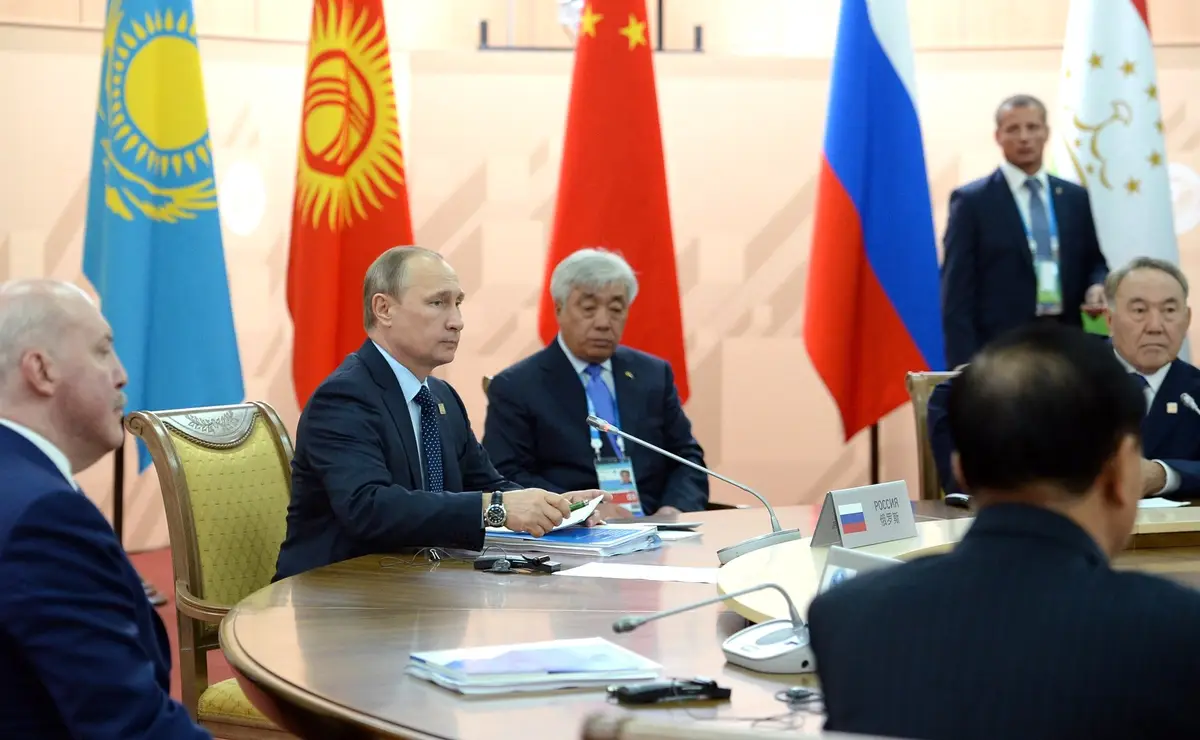
Ecuadorian President Daniel Noboa is scheduled to visit China from August 16 to 23, his second trip to the country since taking office in November 2023. Noboa announced the August visit in April and said Ecuador’s security cooperation with the United States would not prevent it from maintaining commercial ties with China and other countries.
The announcement said Chinese President Xi Jinping would hold talks with Noboa and that two other senior Chinese officials would meet him separately. It did not publish a negotiating agenda or identify agreements expected during the trip.
Noboa is returning after a 2025 visit
China’s foreign ministry records that Noboa was in China from June 23 to 27, 2025, for the World Economic Forum’s Annual Meeting of the New Champions and met Xi, Chinese Premier Li Qiang and Zhao Leji, chairman of the Standing Committee of China’s National People’s Congress. The two governments also signed a cooperation plan for the Belt and Road Initiative during that visit.
The 2026 trip is therefore a return visit, not Noboa’s first journey to China as president. China’s foreign ministry says 2026 marks 10 years since China and Ecuador established their comprehensive strategic partnership, a diplomatic framework that does not by itself specify new financing, investment or market access.
Trade rose in the pact’s first full calendar year
The China-Ecuador free-trade agreement took effect on May 1, 2024, after its signing in May 2023; China’s commerce ministry said about 60 percent of covered products received zero tariffs immediately and about 90 percent are due to become tariff-free. The remaining reductions follow product-specific schedules, so entry into force did not eliminate every tariff at once.
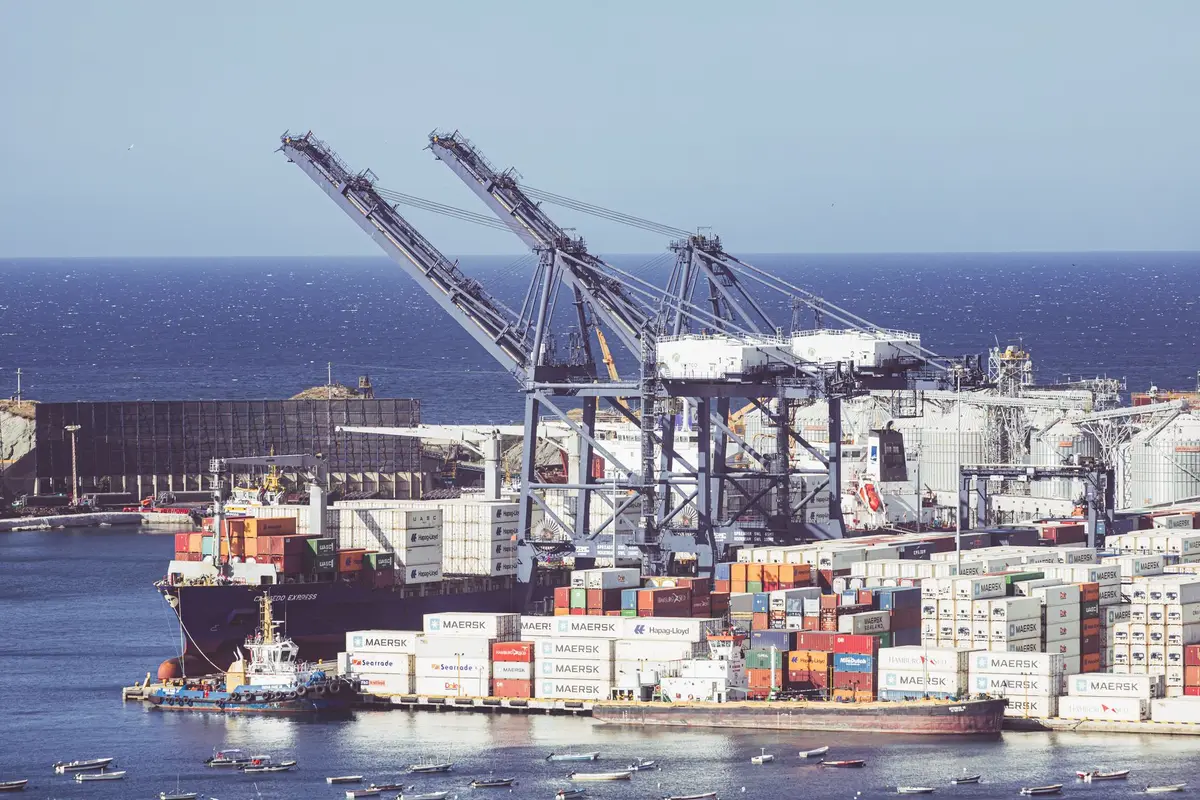
Central Bank of Ecuador data show that Ecuador exported US$5.99 billion in goods to China in 2025, up 17.6 percent from 2024, while imports from China rose 30 percent to US$7.87 billion. China accounted for 16.1 percent of Ecuador’s goods exports and 25.6 percent of its goods imports that year.
The figures cover the first complete calendar year after the pact entered into force, but they do not establish how much of the increase the agreement caused. Export values can also move with prices, shipment volumes and Chinese demand, while import values respond to Ecuadorian demand and supply conditions.
China’s 50 percent investment share needs a denominator
The Central Bank of Ecuador recorded US$116.5 million in China-origin foreign direct investment during 2024, against a national total of US$232.1 million. China’s share was therefore about 50 percent, but Ecuador’s total was down from US$475 million in 2023.
That percentage describes a one-year flow, not the accumulated stock of foreign-owned assets in Ecuador. It does not mean Chinese investors own half of all foreign-held business assets, and the central bank labels the balance-of-payments data provisional.
Ecuador’s United States relationship has also changed
The Office of the United States Trade Representative and Ecuador’s production ministry signed a United States-Ecuador Agreement on Reciprocal Trade on March 13, 2026. That development postdates comparisons portraying Ecuador as having no trade agreement with the United States, although the reciprocal agreement is not presented as a conventional free-trade agreement.
The US trade office’s 2026 barriers report says the agreement enters into force after the two countries exchange written notices confirming completion of their legal procedures, unless they agree on another date. APPI News could not find a later official notice confirming that step by August 14, so this report describes the agreement as signed without asserting that it was in force.
A 2025 Congressional Research Service overview described China as a key source of financing and investment for Ecuador since 2009 and recorded Ecuador’s 2024 ratification of two military cooperation agreements with the United States. The two relationships extend beyond a simple division between Chinese commerce and United States security.
No new agreement can be counted before it is published
The trip announcement did not identify projects, financing terms or changes to the free-trade agreement. Any results released after the talks will need to distinguish political statements and nonbinding memorandums from signed financing documents, procurement contracts or tariff decisions.
APPI News also could not verify current primary data for the source article’s claims that Chinese policy-bank debt had fallen below 7 percent of Ecuador’s external debt or that Chinese brands held 37 percent of new-car sales. Those figures are not used in this report, and the August visit does not alter the verified terms of either commercial relationship unless the governments publish new measures.
Sources and further reading
- Daniel Noboa to make another official visit to China in August 2026(PRIMICIAS)
- Foreign Ministry Spokesperson Guo Jiakun’s Regular Press Conference on June 27, 2025(Ministry of Foreign Affairs of the People’s Republic of China)
- Special Representative Qiu Xiaoqi meets Ecuadorian National Assembly delegation(Ministry of Foreign Affairs of the People’s Republic of China)
- China-Ecuador free trade agreement to take effect on May 1(State Council of the People’s Republic of China)
- Ecuador trade balance by country, January-December 2025(Central Bank of Ecuador)
- Balance of payments analytical report, fourth quarter 2024(Central Bank of Ecuador)
- Ambassador Greer signs the United States-Ecuador Agreement on Reciprocal Trade(Office of the United States Trade Representative)
- 2026 National Trade Estimate Report on Foreign Trade Barriers(Office of the United States Trade Representative via the OAS Foreign Trade Information System)
- Ecuador: Country Overview and U.S. Relations(Congressional Research Service)