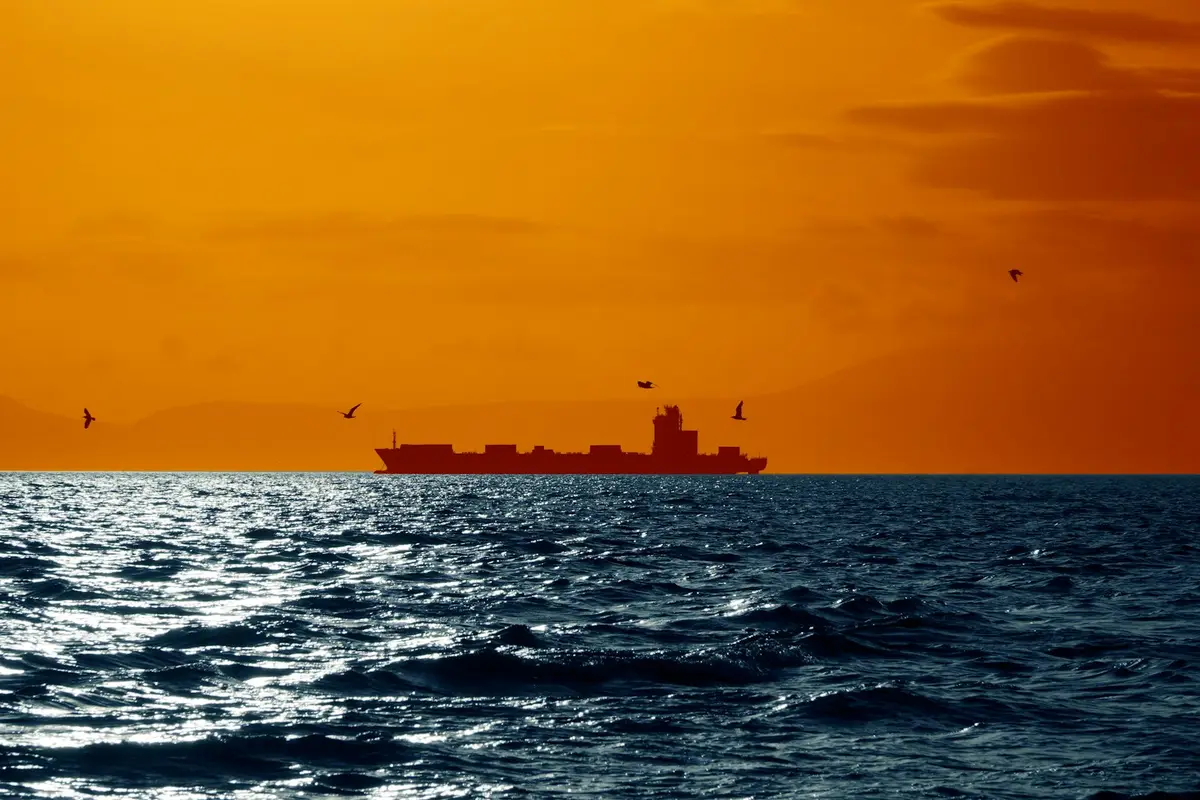
US Marines and sailors from USS San Antonio boarded, searched and sank a vessel in international waters of the eastern Pacific on August 28, 2026, in an operation coordinated with Ecuador. US Southern Command (SOUTHCOM) said the boarding was completed without incident and that people removed from the ship were safely escorted to Ecuador before US forces sank it.
SOUTHCOM described the ship as a floating refueling station for illicit drug trafficking and said US intelligence connected it to Los Choneros, an Ecuadorian criminal organization. The command also said the vessel had previously been identified under US Treasury sanctions, but its release did not provide the ship's name, flag, precise location, number of people aboard, cargo or any drug seizure.
The operation included a boarding and search
The US military's Joint Task Force Western Hemisphere dispatched the Marines and sailors from USS San Antonio, and the team intercepted, boarded, searched and cleared the vessel without incident. The official timeline places the sinking after the search and removal of the people on board.
The release does not say what the search found or whether any evidence was taken ashore. It also does not identify the people escorted to Ecuador, their legal status after arrival or whether any authority filed charges against them.
Refueling vessels form a maritime logistics chain
In a separate August 20 action, the US Department of the Treasury's Office of Foreign Assets Control (OFAC) designated 15 Ecuador-based targets and identified 10 vessels as blocked property. The agency described a network that used fishing businesses near Manta, Ecuador, as cover, transferred cocaine to high-speed boats and sent those boats north through the eastern Pacific toward Mexico and the United States.
The US Treasury said fishing vessels in the network provided fuel, food and medical services to boats carrying cocaine, while some operators also watched for law-enforcement vessels. This account places the larger boats in a support role even when they are not carrying the shipment themselves.
The Treasury release attributed shipments of thousands of kilograms of cocaine a month to people and businesses across the network. Those estimates cannot be assigned to the August 28 vessel because SOUTHCOM did not identify the ship, and the two releases do not provide a public match between it and any listed vessel.
The sanctions record does not identify the intercepted ship
The US Treasury named the 10 vessels and said Los Choneros worked with Mexican cartels on cocaine routes from South America through Mexico to the United States. It also recorded the US State Department's September 4, 2025, designation of Los Choneros as a foreign terrorist organization and a specially designated global terrorist. These are US legal classifications, not universal labels applied by every country.
OFAC said property belonging to the designated or blocked parties must be frozen when it is in the United States or under a US person's possession or control, and US persons and transactions within or transiting the United States are generally barred from handling that property unless an exemption or license applies. The restrictions therefore have a defined US jurisdictional scope; the release does not say that every transaction anywhere in the world is prohibited.
Security coordination with Washington is one part of Ecuador's external relationships. Ecuador's goods trade with China rose in 2025 while its government maintained separate security and commercial ties with the United States.
Evidence and legal authority remain outside the public record
DW reported in its account of the August 28 operation that the United States had not presented definitive evidence that vessels targeted across the wider campaign were carrying or transporting illegal drugs. That is a limitation on the campaign's public evidence, not proof that this specific vessel was unrelated to trafficking.
SOUTHCOM said intelligence confirmed the ship supported Los Choneros, but it did not publish that intelligence or report drugs found during the search. APPI News could not independently verify the connection between the vessel and the group.
The SOUTHCOM release also did not identify the vessel's flag state or cite the specific legal authority for boarding and sinking it in international waters. APPI News could not find a published US or Ecuadorian document supplying those details at the time of writing.
Sources and further reading
- Interdiction of Narco-Terrorist Refueling Vessel, Aug. 28, 2026(US Southern Command)
- Treasury Sanctions Major Ecuador-Based Cocaine Network Linked to Violent Gangs and Mexican Cartels(US Department of the Treasury)
- US, Ecuador forces strike alleged drug smuggling boat(DW)