The Center for Effective Global Action (CEGA) reported that a randomized evaluation of 97 trail bridges built in rural Rwanda found higher household consumption, harvests, farm profits and cash-crop adoption by the second year after construction. Researchers surveyed about 10,000 households in 290 villages over four years, using the staggered build schedule to compare communities with and without a completed crossing.
The program targeted places where rivers and ravines separated households from farmland, markets and public services. The summary estimated a construction cost of about US$100,000 per bridge, but it gives no exact effect sizes or measures of statistical uncertainty for the economic outcomes. APPI News could not find a public final paper containing those estimates at the time of writing.
A 70-meter bridge changed one valley crossing
Before the bridge opened, residents could pay for a boat, use a temporary crossing made from logs or walk three hours each way to a narrower part of the river. NPR reported that floods could wash away the log crossing, while parents sometimes kept children out of school because of the route and farmers said the river disrupted business.
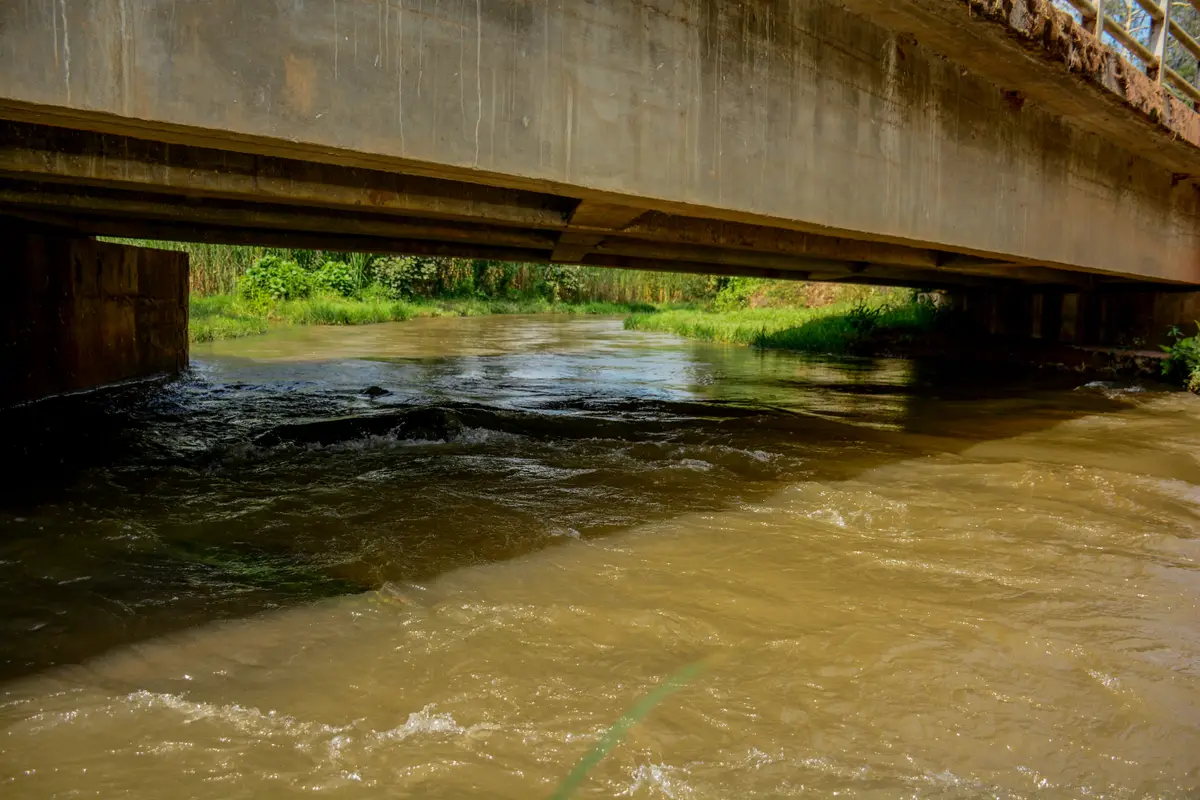
Fika, a nonprofit based in Kigali and formerly known as Bridges to Prosperity, describes trail bridges as rural crossings used mainly by people on foot, bicycles and small vehicles such as motorcycles. The design addresses a specific river barrier; it is not the same as building a complete road network.
The trial randomized when bridges were built
Communities still waiting for a bridge served as the comparison group for communities that had received one. At the 97 phased-in sites, researchers selected villages near both sides of the river and ultimately surveyed about 10,000 households across 290 villages, tracking income, consumption, farming, land use and broader measures of well-being.
The protocol says Fika identified technically feasible locations and worked with Rwanda's national and district authorities on site selection before randomization. It also discloses that two coauthors worked for Bridges to Prosperity, the nonprofit now called Fika and the organization implementing the bridge program.
Households bought more and expanded farming
By the second year after construction, household consumption had risen in program villages, with growth driven by purchases from markets rather than food produced on the household's own farm. Harvests, farm profits and the adoption of cash crops also increased.
The gains were concentrated among households on the more densely populated side of each river. Farmers there became more likely to cross the river to farm, traveled farther to fields and cultivated more land, while smaller farmers recorded the largest increases in cultivated area and harvests.
CEGA's public summary reports the direction of these changes but does not provide the percentage change, confidence interval or full statistical model for each result. The 2022 peer-reviewed paper covers the study design and baseline findings, so it cannot independently confirm the later economic estimates.
Clinic and school figures remain local observations
NPR reported that a clinic near the Cyangoga bridge recorded a 40 percent rise in visits. A teacher at Gakoro school said more than 134 students re-enrolled after the crossing opened.
Those figures come from specific places featured in field reporting, not from trial-wide health or education estimates. CEGA's March 25, 2026, summary said the research team was still analyzing its health and education survey data, so the local counts cannot be treated as Rwanda-wide averages or as precise measures of how much change the bridge alone caused.
Two return estimates use different frames
CEGA said the research team compared the roughly US$100,000 construction cost of each bridge with household economic gains over an estimated 40-year operating life. It reported a return on investment between 78 percent and 98 percent, while noting that health and education findings were still forthcoming.
NPR separately reported a 120 percent return and described the bridge as paying for itself within one year. The NPR account does not publish the calculation behind that figure, and CEGA's summary does not present a matching one-year estimate. APPI News could not reconcile the two figures from the public material, so they should not be combined or read as the same measure.
The evidence applies to selected transport bottlenecks
CEGA said bridge sites were selected through an assessment that considered population, distance to services, crossing difficulty and available alternatives. Randomizing the build order supports comparisons among those candidate sites, but it does not show that every bridge in Rwanda or another country would produce the same return.
NPR reported that residents near Cyangoga still listed roads, electricity and clean water among their urgent needs. A trail bridge can remove a dangerous river crossing from a journey. The available sources do not report whether the project changed staffing, equipment or capacity at the clinic, school or market at the other end.
Sources and further reading
- The bridges of Rwanda open up new worlds(NPR via VPM)
- An underrated development investment that can double returns: Trail bridges(Center for Effective Global Action)
- Mixed methods study design, pre-analysis plan, process evaluation and baseline results of trailbridges in rural Rwanda(Science of the Total Environment via PubMed)
- Why Bridges?(Fika)