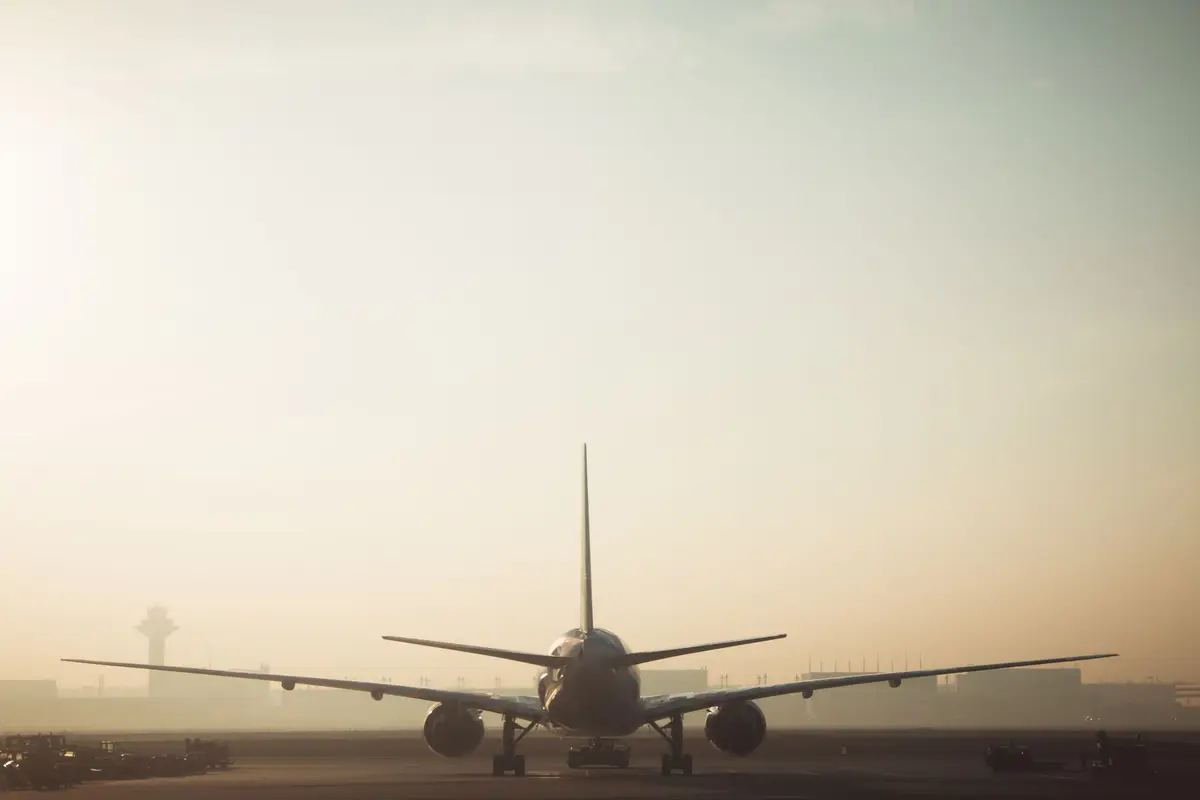
The A320 crew saw the 777 on a crossing taxiway, and both aircraft stopped abruptly. The ATSB classified the event as a serious incident, recorded one minor crew injury and listed no damage to either aircraft.
Investigators have not assigned a cause
The ATSB plans to interview the people involved, retrieve and review recorded data, and collect other relevant information. Its public case record was still in the evidence collection phase on August 14, with a final report expected in the first quarter of 2027.
The published summary does not give a minimum separation distance or reproduce the instructions sent to the flight crew and tug operator. APPI News therefore could not verify who had priority on the crossing taxiway or where any communication failure occurred.
Routine stand-downs followed the incident
The minister described the testing and stand-down as standard procedure. Those steps do not show that either worker was impaired or broke a rule.
Roster constraints had already reduced airport capacity
Those statements establish that staffing limited airport capacity around the time of the incident. They do not establish that a staffing shortage caused the A320 and 777 to come close, and the ATSB has not published such a finding.
A separate serious incident occurred 13 days earlier
The ATSB also classified that event as a serious incident and recorded no injuries or aircraft damage. Its investigation remains separate from the August 9 case, and the two preliminary records do not identify a shared cause.
Frequently asked questions
Did the Jetstar and Qatar Airways aircraft collide?
No. Both aircraft stopped abruptly after the Jetstar crew saw the towed 777 on a crossing taxiway, and the ATSB lists no damage to either aircraft.
Has the staffing shortage been identified as the cause?
No. Airservices confirmed roster constraints affected airport capacity, but the ATSB has not linked staffing to the near miss or assigned fault.
When will the investigation finish?
The ATSB lists the first quarter of 2027 as the anticipated completion period. That date can change as investigators collect and assess evidence.
Sources and further reading
- Taxiing proximity event involving Airbus A320-232, VH-VQJ, and Boeing 777, A7-BEU, at Sydney Airport, New South Wales, on 9 August 2026(Australian Transport Safety Bureau)
- Sydney Airport near miss involving Jetstar and Qatar planes leaves crew member injured(ABC News)
- Sydney Airport faces delays, as passengers advised to check with airlines(ABC News)
- Breakdown of coordination involving Bombardier DHC-8, VH-QOC, and Boeing 737, VH-XZG, at Sydney Airport, New South Wales, on 27 July 2026(Australian Transport Safety Bureau)