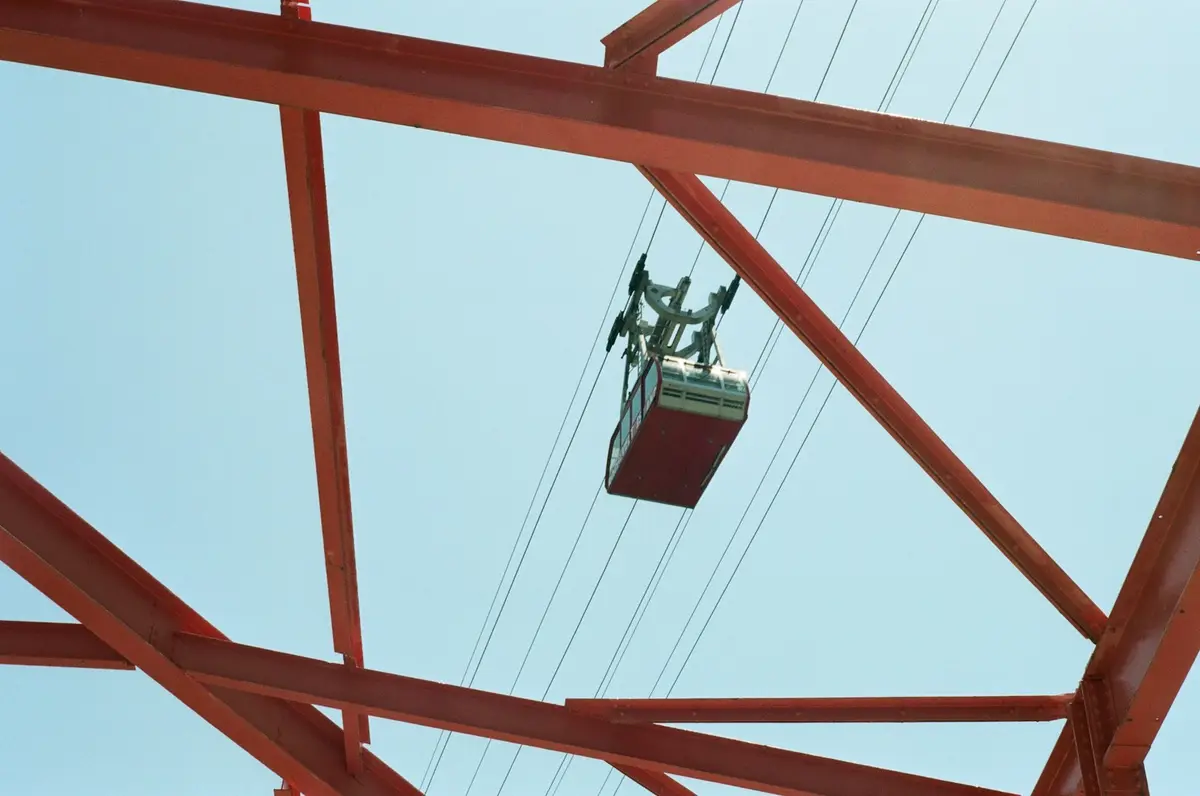
Antananarivo's $173 million cable-car system stopped carrying passengers after only a few weeks, leaving empty cables above Madagascar's capital. The Associated Press found that fares were six to eight times the price of a minibus ride, putting the faster option beyond the budgets of many commuters.
The system was built over three years with loans from France and promoted by former President Andry Rajoelina as an answer to traffic jams that can last for hours. His government unveiled the project in 2024, and passenger service began in 2025 before stopping within weeks.
A faster trip at a price many riders rejected
Officials set a one-way fare at $0.70 to $0.90. The AP said the average monthly salary for a commuter was about $72, citing a 2022 World Bank report, while the minibus fare was one-sixth to one-eighth of the cable-car price.
The income figure predates the cable cars' opening and does not show how wages or exchange rates changed by 2026. A newer World Bank economic update says almost 70 percent of Madagascar's population lives below the international poverty line of $2.15 a day, illustrating the narrow household budgets against which the fare had to compete.
Transport consultant Pieter Onderwater told the AP that the developers had misread the trade-off commuters would make between time and money. Residents also questioned spending on cable cars while Antananarivo continued to face unreliable water and electricity services.
Official targets were never independently demonstrated
Project officials said the system could carry as many as 75,000 passengers a day, remove 2,000 vehicles from the roads and shorten journeys of up to three hours to between 10 and 30 minutes. APPI News found no published independent audit showing that the system reached those targets during its brief operation.
The route also failed to serve every major travel pattern. One office worker interviewed by the AP said it did not reach the city center or take him where he needed to go. Cost was therefore only one barrier: route coverage, reliability and confidence in the power supply also shaped whether the service was useful.
Power cuts and political upheaval deepen the problems
Electricity outages repeatedly halted the cable cars, according to the AP. One shop owner questioned whether passengers could be rescued promptly if a power failure left a cabin suspended more than 20 meters above the ground.
The project's political sponsor was removed before the system's future was settled. Madagascar's military ousted Rajoelina on October 14, 2025, after weeks of youth-led protests that began over water and power cuts and widened to complaints about corruption, nepotism and living costs.
Some cable-car stations were burned or otherwise damaged during the unrest. A transitional government led by former army colonel Michael Randrianirina took office in October 2025, but the AP reported that it had announced no plan for the system by August 2026. A construction consortium inspected the equipment in March and sent its findings to Madagascar's government for a decision on what to do next.
Rapid urban growth raises the stakes for transport spending
Antananarivo's congestion reflects a wider pressure on African cities, though it does not establish that cable cars are unsuitable elsewhere. The Organisation for Economic Co-operation and Development projects Africa's urban population will rise from 700 million to 1.4 billion by 2050, increasing demand for transport, housing, water, electricity, health care and education.
The Antananarivo project shows why capacity and travel-time forecasts cannot be separated from fares, routes and operating conditions. Its engineering targets described what the line could do, but its first weeks did not show that enough residents could afford it or use it for the journeys they needed to make.