Nagasaki marked the 81st anniversary of the US atomic bombing on August 9, 2026, with a moment of silence at 11:02 a.m. local time, when the bomb exploded in 1945. The Associated Press reported that representatives from more than 90 countries attended the ceremony at Nagasaki Peace Park.
Nagasaki Mayor Shiro Suzuki called nuclear weapons an “absolute evil” and said greater reliance on nuclear deterrence increases the risk of nuclear war. Japanese Prime Minister Sanae Takaichi said Japan currently maintains its three non-nuclear principles, but she did not commit to preserving them unchanged or mention the Treaty on the Prohibition of Nuclear Weapons in her speech.
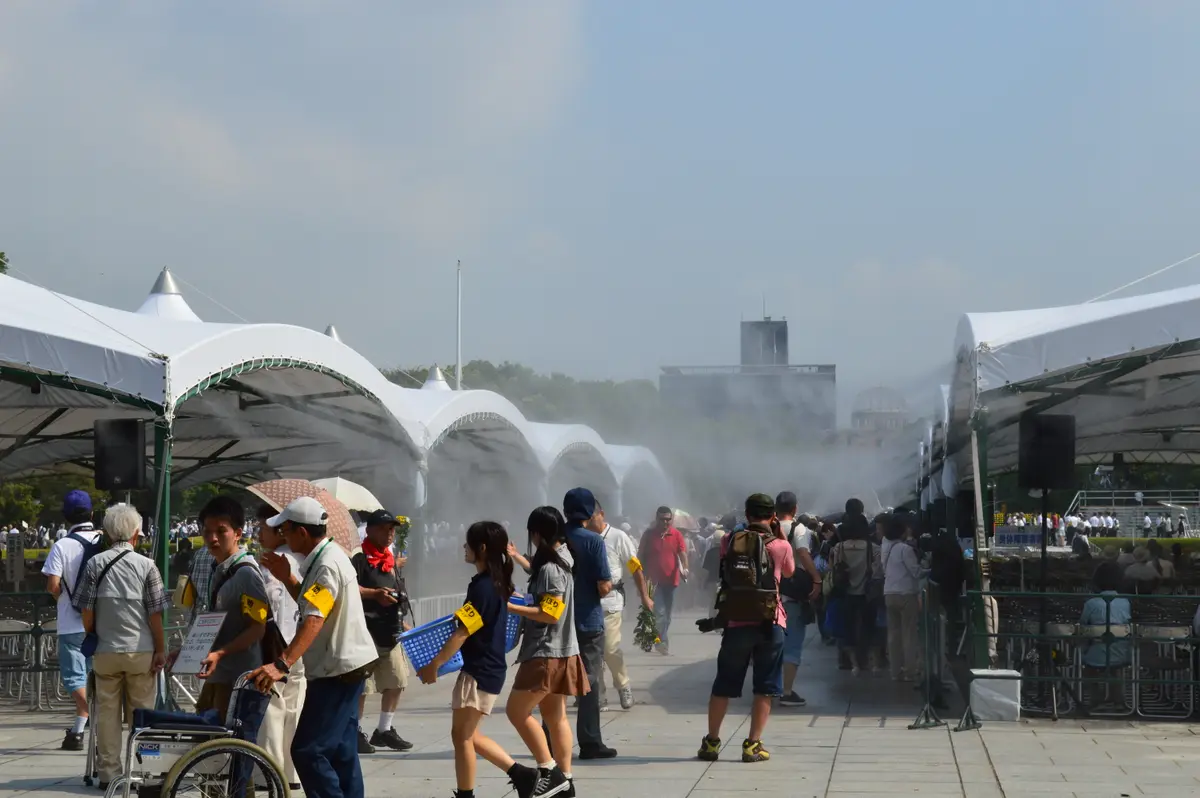
Three days earlier, Hiroshima marked the bombing anniversary with a minute of silence at 8:15 a.m. local time. The Associated Press reported that about 50,000 people and representatives from roughly 120 countries and regions attended the ceremony at Hiroshima Peace Memorial Park.
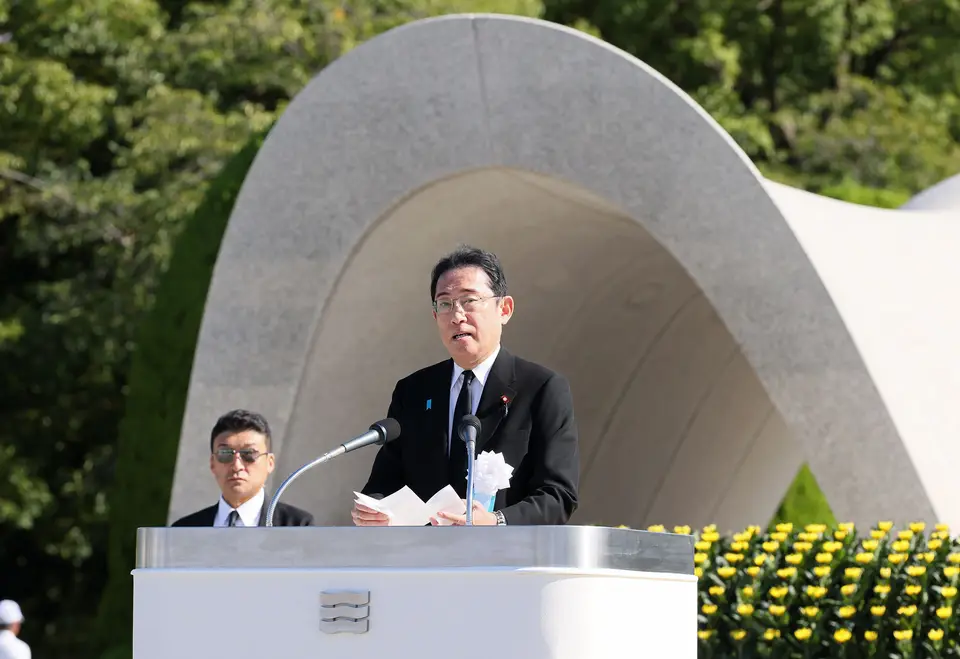
Takaichi attended the Hiroshima memorial for the first time as prime minister and said Japan currently maintains the three principles. The unresolved question is whether her government will retain all three when it completes new security and defense documents later in 2026.
Three principles, with one under scrutiny
Japan's three non-nuclear principles are a national policy of not possessing nuclear weapons, not producing them and not permitting their introduction into Japanese territory. Japan's foreign ministry traces the formulation to Prime Minister Eisaku Sato's statement to a House of Representatives budget committee on December 11, 1967.
The third principle is the focus of the current debate because it governs whether nuclear weapons may be brought into Japan. Takaichi has advocated reviewing that restriction, and the Associated Press reported that her Hiroshima remarks stopped short of a commitment to preserve the policy unchanged in the future.
That distinction matters: saying the government maintains a policy now does not settle what will appear in documents that have yet to be adopted. Until the review is published, claims that Japan has either abandoned or permanently secured the third principle go beyond the available evidence.
Hiroshima challenges reliance on nuclear deterrence
Hiroshima Mayor Kazumi Matsui used the city's peace declaration to reject the argument that nuclear weapons provide a practical route to security. He warned that accepting force in pursuit of national prosperity could produce cycles of retaliation and another catastrophe like Hiroshima or Nagasaki.
The anniversary also recorded the shrinking number of people officially recognized in Japan as survivors of the two atomic bombings, known as hibakusha. Their number had fallen to 91,105 and their average age had passed 86, according to figures reported by the Associated Press.
The ceremony followed a schedule published by Hiroshima's municipal government. The official program placed the silent prayer and peace bell at 8:15 a.m., followed by the mayor's peace declaration.
Two nuclear treaties expose the policy divide
Takaichi framed Japan's disarmament work through the Nuclear Non-Proliferation Treaty (NPT), which seeks to prevent the spread of nuclear weapons while requiring negotiations on disarmament and allowing peaceful nuclear cooperation. The Treaty on the Prohibition of Nuclear Weapons (TPNW) takes a different approach by barring participating states from a broad range of nuclear-weapons activities.
The United Nations treaty registry says the TPNW entered into force on January 22, 2021, and had 95 signatories and 75 parties on August 9, 2026. Japan did not appear on the registry's list of signatories or parties.
The treaty's next formal milestone is its first review conference. The United Nations lists the meeting for November 30 through December 4, 2026, at UN headquarters in New York.
NPT talks ended without agreement
The NPT route favored by Japan also faces a stalled review process. The 2026 review conference failed to reach consensus on an outcome document after a dispute over references to Iran's nuclear program that the United States wanted included.
The Arms Control Association said the result made 2026 the third consecutive NPT review conference without a consensus outcome, after failures in 2015 and 2022. The conference result and Japan's unresolved domestic review leave two separate questions open: how much progress states can make through the NPT, and whether Japan will change the policy governing nuclear weapons on its own territory.
Frequently asked questions
What are Japan's three non-nuclear principles?
Japan's policy is not to possess nuclear weapons, not to produce them and not to permit their introduction into the country.
Did Takaichi promise to keep all three principles?
She said Japan currently maintains them, but the Associated Press reported that she did not commit to preserving the policy unchanged after the government's 2026 security review.
Are the NPT and TPNW the same treaty?
No. The NPT combines non-proliferation, disarmament obligations and peaceful nuclear cooperation. The TPNW comprehensively prohibits nuclear-weapons activities for its parties.
Sources and further reading
- Nagasaki marks 81st atomic bomb anniversary as mayor says nuclear deterrence only increases risk(Associated Press)
- Hiroshima marks 81st atomic bomb anniversary as mayor deplores the pursuit of nuclear weapons(Associated Press)
- Announcement regarding the 2026 Peace Memorial Ceremony(City of Hiroshima)
- Three Non-Nuclear Principles(Ministry of Foreign Affairs of Japan)
- Treaty on the Prohibition of Nuclear Weapons(United Nations Treaty Collection)
- First Review Conference of the Parties to the Treaty on the Prohibition of Nuclear Weapons(United Nations)
- States reaffirm importance of Nonproliferation Treaty, but US-Iran dispute blocks consensus outcome(Arms Control Association)