Japan's Fire and Disaster Management Agency said in an August 17 update that the August 13-14 rain disaster in Chiba Prefecture had killed 10 people, left one person missing and injured 29. The agency counted 1,541 homes as destroyed, damaged or flooded and said the figures remained preliminary.
Chiba City recorded 367.0 millimeters of rain in 24 hours, the highest such total in observations dating to 1966. The Associated Press reported that thousands of people stayed overnight at Narita Airport after surface transport was disrupted, although flights continued to operate.
Chiba City records 367 millimeters in 24 hours
Japan Meteorological Agency (JMA) rankings show that 351.0 millimeters fell at the Chiba City station on August 13 and that the highest one-hour total reached 115.0 millimeters; both were station records. The 367.0-millimeter figure is a rolling 24-hour maximum rather than a calendar-day or prefecture-wide total.
The JMA defines a linear precipitation band as organized cumulonimbus clouds that form a line and pass over or remain above nearly the same place for several hours. The agency says these bands are typically 50 to 300 kilometers long and 20 to 50 kilometers wide, while parts of their formation mechanism remain unresolved.
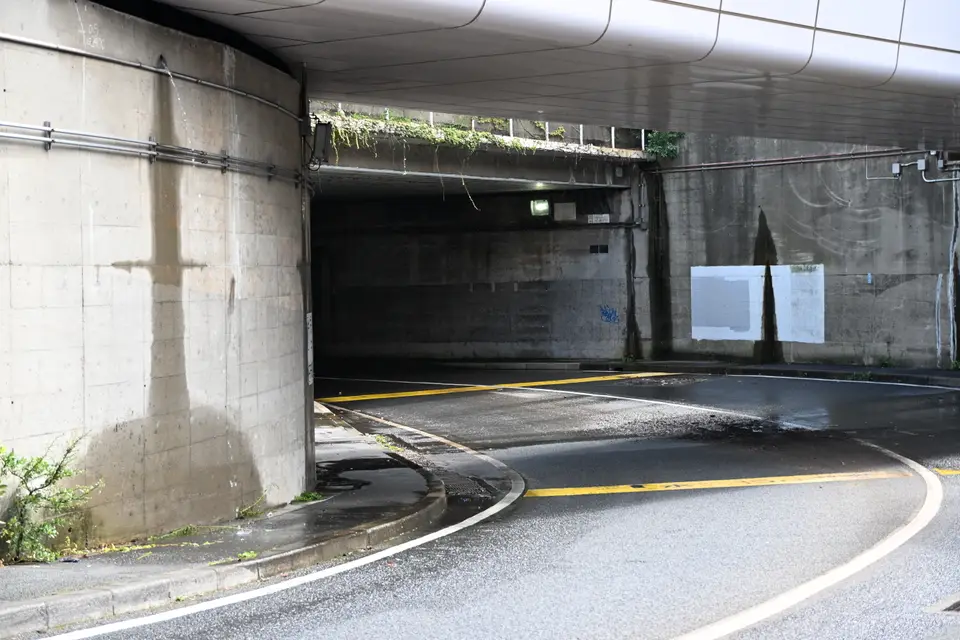
Level 5 warnings extend across 22 municipalities
Japan's fire agency listed Level 5 heavy-rain special warnings for 22 Chiba municipalities from 7:30 p.m. Japan Standard Time on August 13 through 12:30 a.m. on August 14. All Level 5 special warnings had been replaced by Level 4 alerts by 5:15 a.m. on August 14.
The same update recorded 709 homes flooded above floor level and 790 below floor level. It also listed two destroyed homes, 11 half-destroyed homes and 29 with partial damage.
Narita disruption centers on ground access
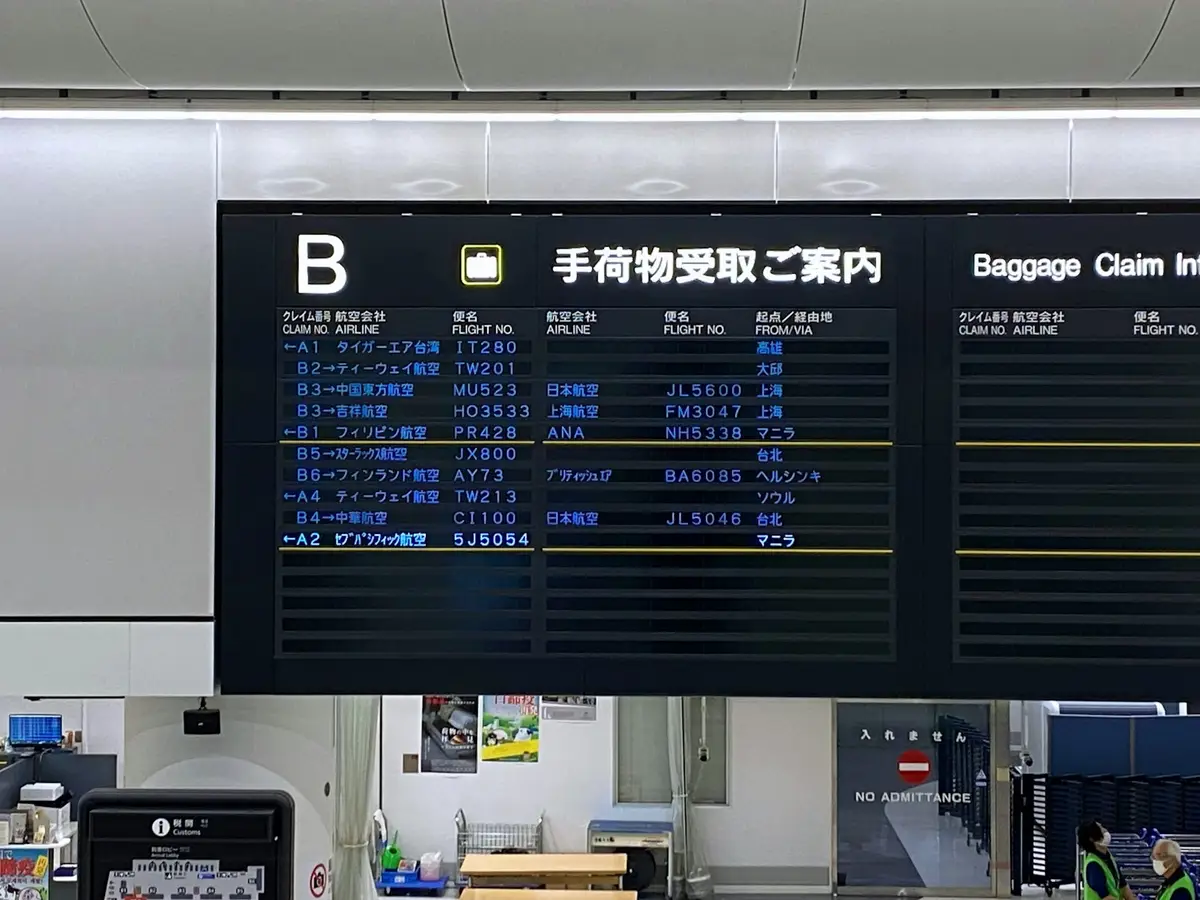
The AP reported on August 14 that thousands of passengers who had stayed overnight at Narita Airport began leaving as train service partly resumed with delays. Flights in and out of the airport were operating normally at that time.
The available reporting separates flight operations from ground access: aircraft continued to use Narita while passengers had difficulty leaving by surface transport. An operating flight schedule therefore did not mean that every part of the airport journey was running.
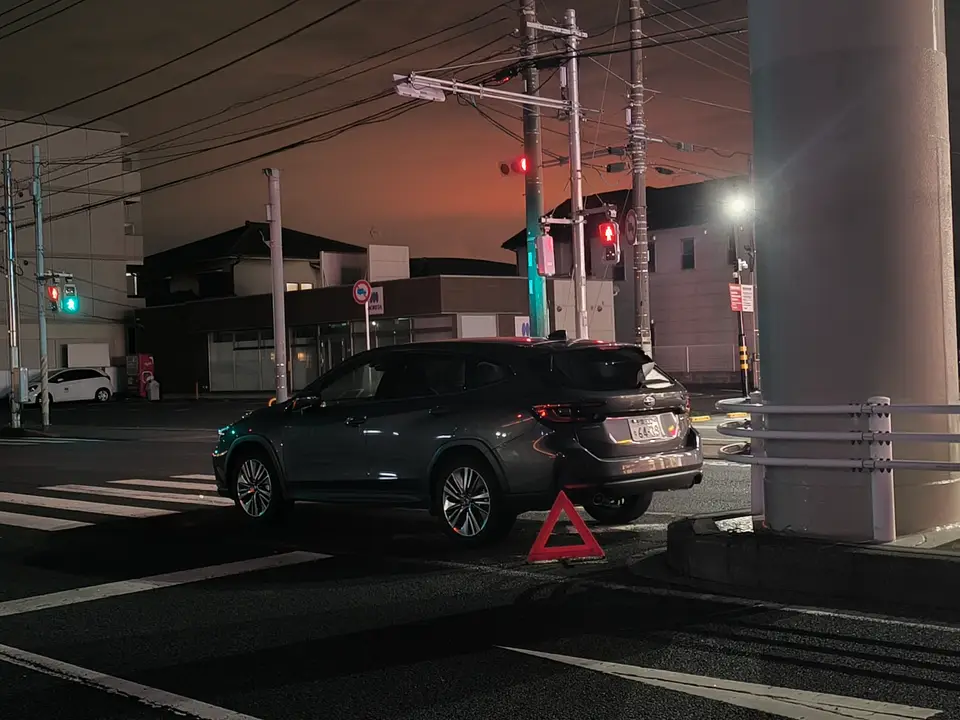
Damage and transport figures remain provisional
The casualty and housing totals come from a preliminary Japanese government update and may change as local assessments continue. The airport account is an August 14 snapshot, so it does not establish present flight or rail conditions.
APPI News could not confirm the source report's estimate of about 7,000 stranded passengers in an accessible statement from Narita International Airport. The AP report supported only a figure of thousands, so this version does not use the more precise estimate.
Sources and further reading
- Damage and response to the August 2026 Chiba heavy rain, report 11(Japan Fire and Disaster Management Agency)
- Chiba station all-time observation rankings(Japan Meteorological Agency)
- Information on linear precipitation bands(Japan Meteorological Agency)
- Record-breaking rain floods Chiba east of Tokyo, killing at least 5 people(Associated Press)