Aso Kumamoto Airport said flights were expected to operate normally from August 2 after a magnitude 7.1 earthquake struck Japan's Kumamoto Prefecture on July 28. The airport cautioned that aftershocks could alter operations, and rail or road disruption can still break a journey even when a flight departs.
The decision to travel therefore depends on the exact route and booking, not on a general judgment about whether Japan or Kyushu is open. A usable check covers the flight, airport transfer, intercity rail or road segment, accommodation and the conditions attached to any cancellation request.
Airport operations do not settle the whole itinerary
Aso Kumamoto Airport said on August 2 that flights were planned to operate normally, while warning that the aftershock situation could change operations and directing passengers to airline websites for flight-level information. That notice confirms the airport's operating plan, not the status of a particular flight or the surface journey to and from the terminal.
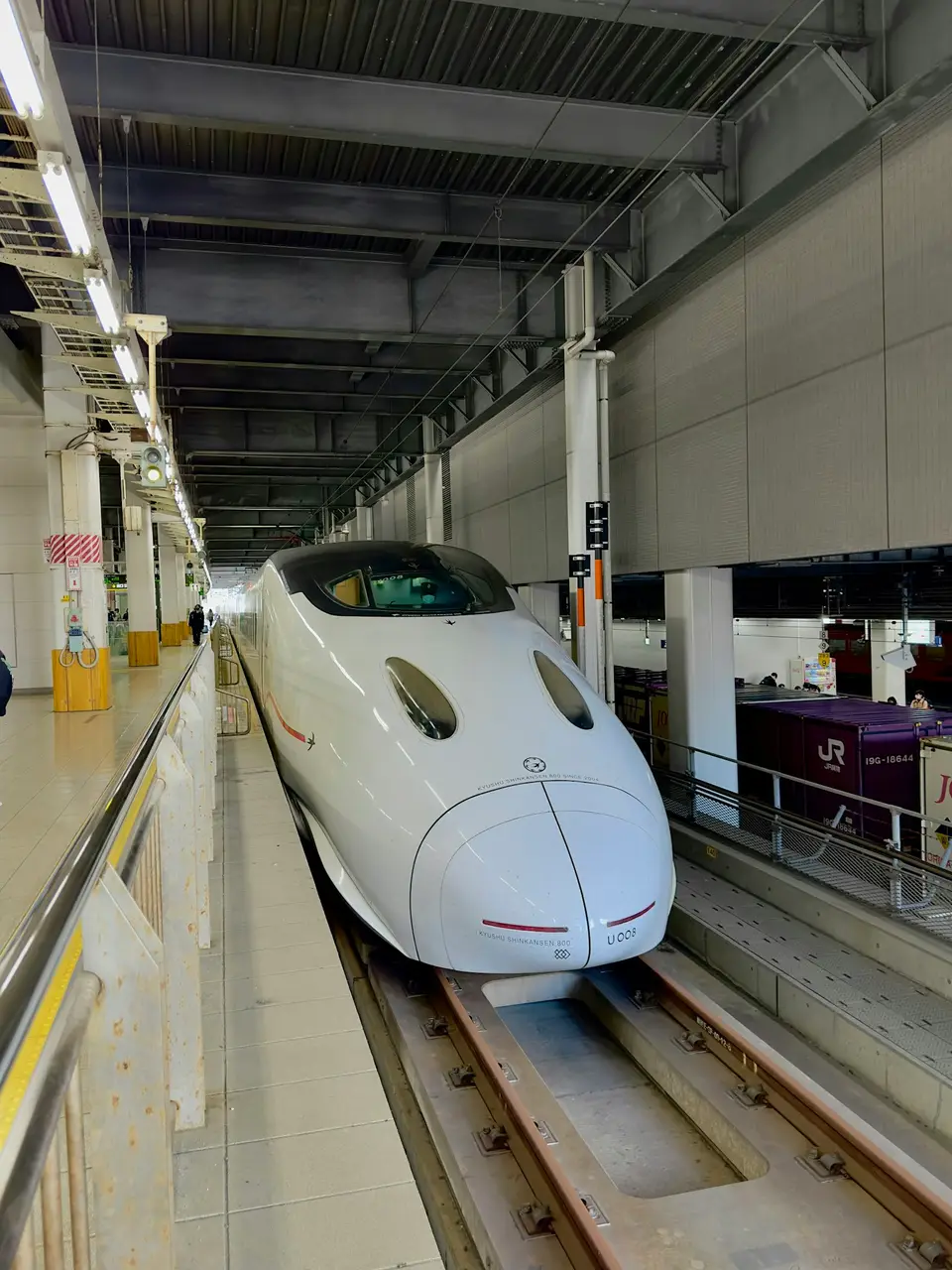
Rail information needs a separate check. JR Kyushu directs passengers to its operation-information service for current delays and to notices on its website for extended or planned suspensions. A timetable or confirmed seat does not establish that the full route is running after a disaster.
Road conditions also remain route-specific. Japan's Ministry of Land, Infrastructure, Transport and Tourism maintained a passable-road map with information dated August 7 and warned that published details could later be corrected. Drivers and bus passengers need to check the roads used by their actual transfer rather than a prefecture-wide summary.

Aftershock guidance remains part of the travel decision
The Japan Meteorological Agency recorded the main earthquake at 4:27 p.m. Japan Standard Time on July 28, with magnitude 7.1 and a maximum seismic intensity of 7 on Japan's scale. In guidance issued August 4, the agency said activity remained active and that the wide affected zone could produce stronger shaking than the July 28 event, depending on the size and location of another earthquake.
The same guidance tells people to stay out of dangerous areas where strong shaking increased the risk of building collapse or landslides. It also says a large offshore earthquake could create a tsunami risk. The agency's English portal links to live seismic-intensity information, rain and landslide risk maps, weather warnings and forecasts for Kumamoto Prefecture.
Local recovery information answers a different question from the seismic forecast. Kumamoto Prefecture's earthquake portal compiles disaster-response material and local information on shelter, housing, utilities and other support. These resources are primarily for affected residents, but they also show where recovery work is still under way.

Ticket changes must follow the booking record
An airline waiver normally identifies eligible travel dates, routes, ticket-issue dates and the place where a change or refund must be requested. A notice issued for one carrier or point of sale cannot be applied to a ticket sold by another airline or travel agency. APPI News could not verify a single current fee-waiver policy covering all international tickets to Kumamoto at the time of writing.
The booking record is the starting point: it identifies the operating carrier, ticket seller, dates and itinerary. Passengers seeking a change or refund need the rule published by that carrier or seller for that booking, including any deadline before departure. Screenshots or saved copies of cancellation notices and correspondence provide a dated record if the public page later changes.
A broader government snapshot can help distinguish a local interruption from a network-wide one. Japan's transport ministry maintained a consolidated earthquake damage-and-response page whose latest listed report was dated August 9. Individual operators remain the source for a particular departure.
Insurance cover cannot be inferred from the earthquake alone
An earthquake affecting the destination does not by itself establish a payable travel-insurance claim. The policy must cover the claimed loss, such as delay expenses, cancellation or interruption, and the event must meet its definitions and exclusions. Thresholds, limits, notice periods and required evidence vary by policy and country.
Passengers can preserve the documents that allow an insurer to assess the claim: the policy schedule and wording, booking confirmation, proof of payment, airline or rail disruption notice, receipts and the seller's refund decision. Any refund already received can be included in the claim record so the insurer can assess the remaining loss.

A final check needs to match the route
For a flight into Kumamoto, the last review should include the carrier's live flight status, the airport notice and the transfer from the terminal. For a rail journey, it should include each line used, including any connection beyond Kumamoto. A road trip needs the transport ministry's restriction map and local operator information for buses or rental vehicles.
Accommodation is a separate confirmation. A property can be open while access to it remains difficult, or it can suspend service even when nearby transport is running. Written confirmation of opening status, check-in arrangements and cancellation terms avoids relying on an area-wide assumption.
Frequently asked questions
Is Aso Kumamoto Airport open?
The airport said on August 2 that flights were planned to operate normally, subject to changes caused by aftershocks. Each flight still needs confirmation from the operating airline.
Does an operating flight mean a Kumamoto trip can proceed?
No single flight status covers rail, road, bus or accommodation conditions. Every segment needed to complete the itinerary has to be checked separately.
Can another passenger's airline waiver be used for the same destination?
Not unless the carrier, seller, route, travel dates and ticket conditions match. The applicable notice is the one issued for the booking in question.
Will travel insurance pay when an earthquake changes a trip?
Only the policy terms and the facts of the loss can establish cover. Travelers need to compare the event with the covered causes, exclusions, thresholds, claim deadline and evidence requirements in their own contract.
Sources and further reading
- The 2026 Kumamoto Earthquake portal(Japan Meteorological Agency)
- 2026 Kumamoto Earthquake portal(Japan Meteorological Agency)
- Information regarding the impact of the earthquake in the Kumamoto region(Aso Kumamoto Airport)
- Information on the 2026 Kumamoto Earthquake(Kumamoto Prefecture)
- Damage and response following the 2026 Kumamoto Earthquake(Japan Ministry of Land, Infrastructure, Transport and Tourism)
- 2026 Kumamoto Earthquake passable-road map(Japan Ministry of Land, Infrastructure, Transport and Tourism)
- General FAQ(JR Kyushu)