TrendForce said on July 3 that conventional DRAM contract prices were likely to rise 13 to 18 percent quarter on quarter in the third quarter of 2026. The research firm also forecast a 10 to 15 percent increase for NAND Flash and said higher component costs would continue moving through notebook inventories.
The increases connect the expansion of AI data centers with the cost of consumer electronics, but they do not set one global retail price. Currency movements, taxes, local inventories, promotions and the amount of memory in each configuration can produce different results for buyers in different countries.
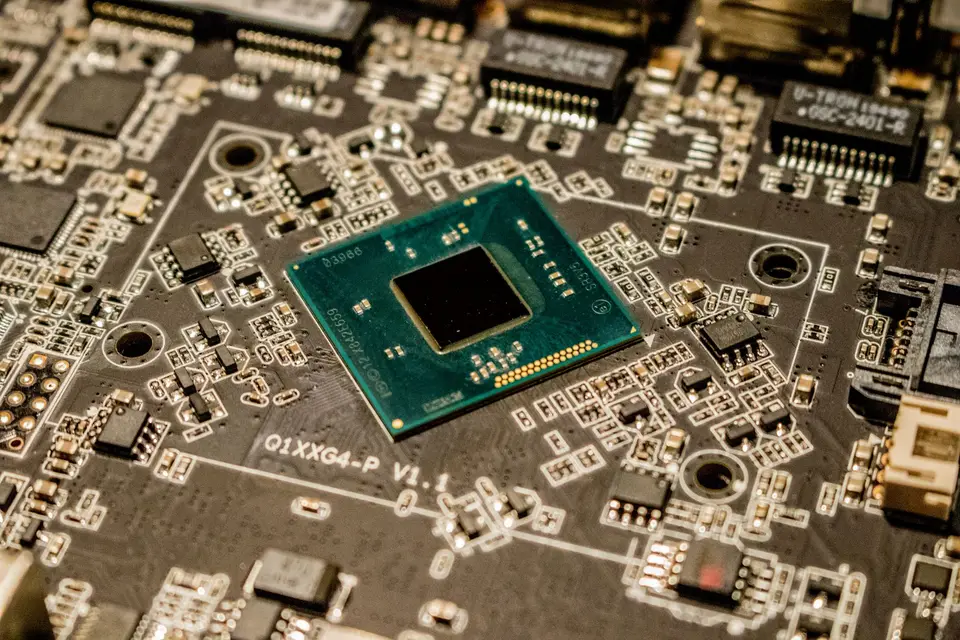
Memory prices sit upstream of PCs and graphics cards
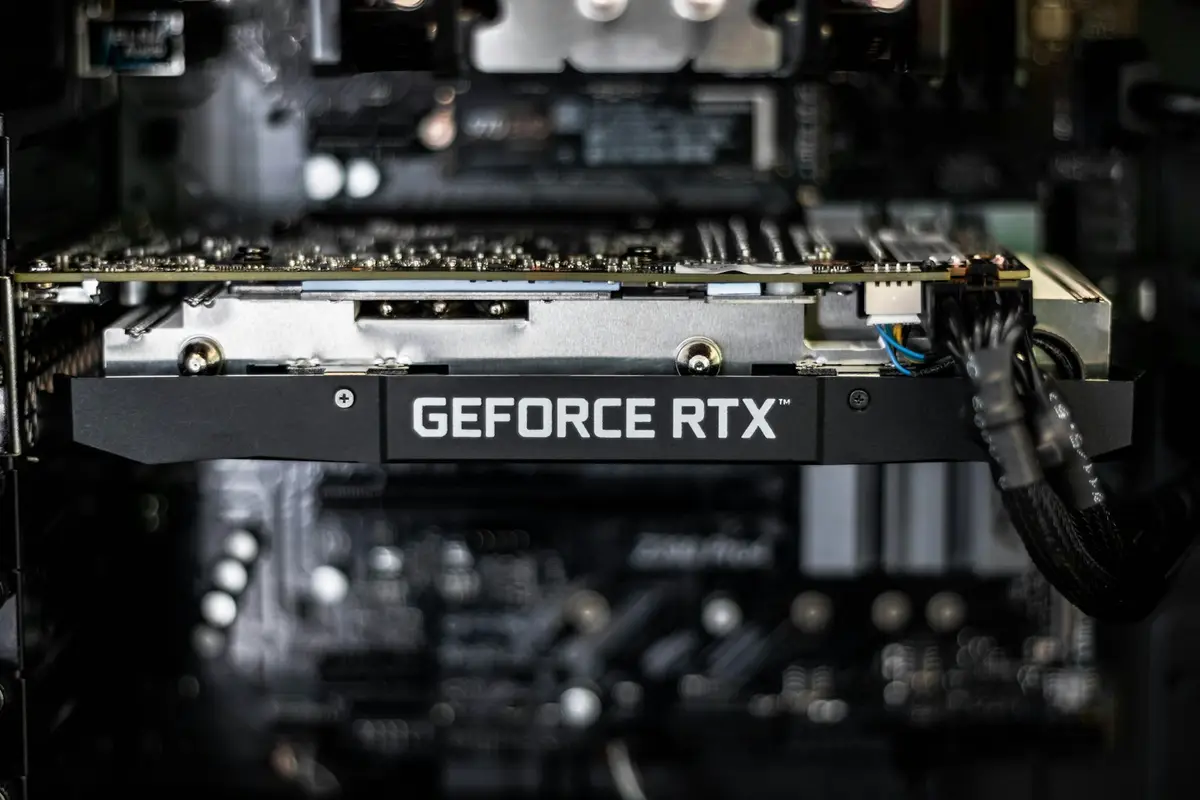
Dynamic random-access memory (DRAM) provides working memory in computers and servers. Graphics cards use specialized graphics DRAM, including GDDR6 and GDDR7, while solid-state drives rely on NAND Flash. A higher contract price for those components can raise a manufacturer's bill of materials before the change reaches retail shelves.
The timing is uneven. Computer makers often buy components under contracts and hold finished inventory, so a higher chip price may appear in a new shipment before it affects stock already at a retailer. A sale on one model is therefore weak evidence that the broader supply cycle has turned.
AI servers use more wafer capacity per unit of memory
High-bandwidth memory (HBM) is built to move large volumes of data between memory and AI accelerators. Its manufacturing and packaging demands make a simple comparison by gigabyte misleading. TrendForce News, relaying industry estimates, said 1 GB of HBM used four times the wafer capacity of standard DRAM and 1 GB of GDDR7 used 1.7 times as much.
The same report estimated that AI-related memory could consume nearly 20 percent of global DRAM output in 2026 on a wafer-equivalent basis. That figure is an estimate rather than a consolidated disclosure from memory producers, but it explains why AI demand can tighten capacity faster than shipment volumes alone suggest.
Memory suppliers also have a commercial reason to prioritize these products. SK hynix's January outlook said HBM3E was expected to make up about two-thirds of HBM shipments in 2026 as demand expanded across graphics processors and custom AI chips. The company said investment focused on HBM was also affecting the supply-demand balance for general-purpose memory.
Higher component costs are reaching finished devices
Apple provides a documented example of the pass-through to retail hardware. On June 25, the company raised the US starting price of the 13-inch MacBook Air from US$1,099 to US$1,299 and the base iPad from US$349 to US$449. The report cited Apple Chief Executive Tim Cook as linking the move to rising memory and storage costs and the amount of HBM going into AI servers.
This does not mean every computer or graphics card will rise by the same percentage. Memory represents a different share of the total cost in an entry-level laptop, a workstation and a high-end graphics card. Vendors can also change specifications, reduce discounts or absorb part of the increase rather than lift the headline price immediately.
Why older memory can become expensive
Older memory is not automatically insulated from a shortage. When suppliers reduce output of a mature generation and buyers still need replacement parts, a smaller pool of available chips can produce abrupt price changes. The effect can be sharper for low-volume modules that cannot be substituted without changing a motherboard or device design.
That makes compatibility as important as the market cycle. A buyer considering an upgrade should identify the exact memory generation, capacity and supported module type before comparing prices. Moving from an older platform to a new one can require a new motherboard or processor, so a cheaper new-generation module may not reduce the total upgrade cost.
Signals that matter more than a single retail listing
Contract prices show the direction of large transactions, while spot prices reflect smaller and more immediate trades. TrendForce publishes a DRAM spot-price page with current quotes for selected chip specifications. Neither series is a direct forecast for a particular laptop or graphics card, but a sustained decline across several reporting periods would provide stronger evidence than one retailer's promotion.
Supplier production plans are another signal because new capacity takes time to install and qualify. Buyers can watch whether Samsung Electronics, SK hynix and Micron Technology describe added capacity as under construction, in qualification or in volume production. Reaching volume production is a stronger supply signal than announcing construction.
Forecasts also differ on when conditions may ease. TechCrunch reported in February that IDC expected RAM prices to stabilize by mid-2027, while Counterpoint expected the effect on smartphones to continue through the second half of 2027. Those estimates may move as suppliers change output and device demand responds to higher prices.
How to assess a purchase in a rising market
A required replacement and an optional upgrade call for different decisions. For a required purchase, compare the full configured price across several sellers and check whether memory or storage can be upgraded later. For an optional purchase, a working device leaves more room to wait for contract-price growth to slow or for new inventory to improve competition.
Price history is more useful than the manufacturer's suggested retail price when stock is constrained. The relevant comparison is the same model and configuration in the same country, including taxes and warranty coverage. Cross-border prices can look lower while reflecting different tax treatment, exchange rates or support terms.
Frequently asked questions
Are graphics card and memory price increases part of the same supply problem?
They can be connected because graphics cards contain graphics DRAM and compete within the wider memory manufacturing base. Retail graphics card prices also depend on the graphics processor, board design, inventory and local distribution, so memory alone does not explain every change.
Does a slower quarterly increase mean prices are falling?
No. TrendForce's third-quarter forecast called for smaller increases than in the preceding quarter, but both DRAM and NAND contract prices were still expected to rise.
Which indicator should buyers follow?
Contract-price direction, spot prices and supplier production updates answer different questions. Several periods of easing contract prices, followed by more supply reaching volume production, would be stronger evidence of a turn than a temporary discount on one product.
Sources and further reading
- AI Server Demand Continues to Support Memory Prices in 3Q26(TrendForce)
- AI Reportedly to Consume 20% of Global DRAM Wafer Capacity in 2026(TrendForce News)
- 2026 Market Outlook: Focus on the HBM-Led Memory Supercycle(SK hynix Newsroom)
- Apple announces price increases for MacBooks, iPads and more(9to5Mac)
- Memory shortage could cause the biggest dip in smartphone shipments in over a decade(TechCrunch)
- DRAM Price Trends(TrendForce)