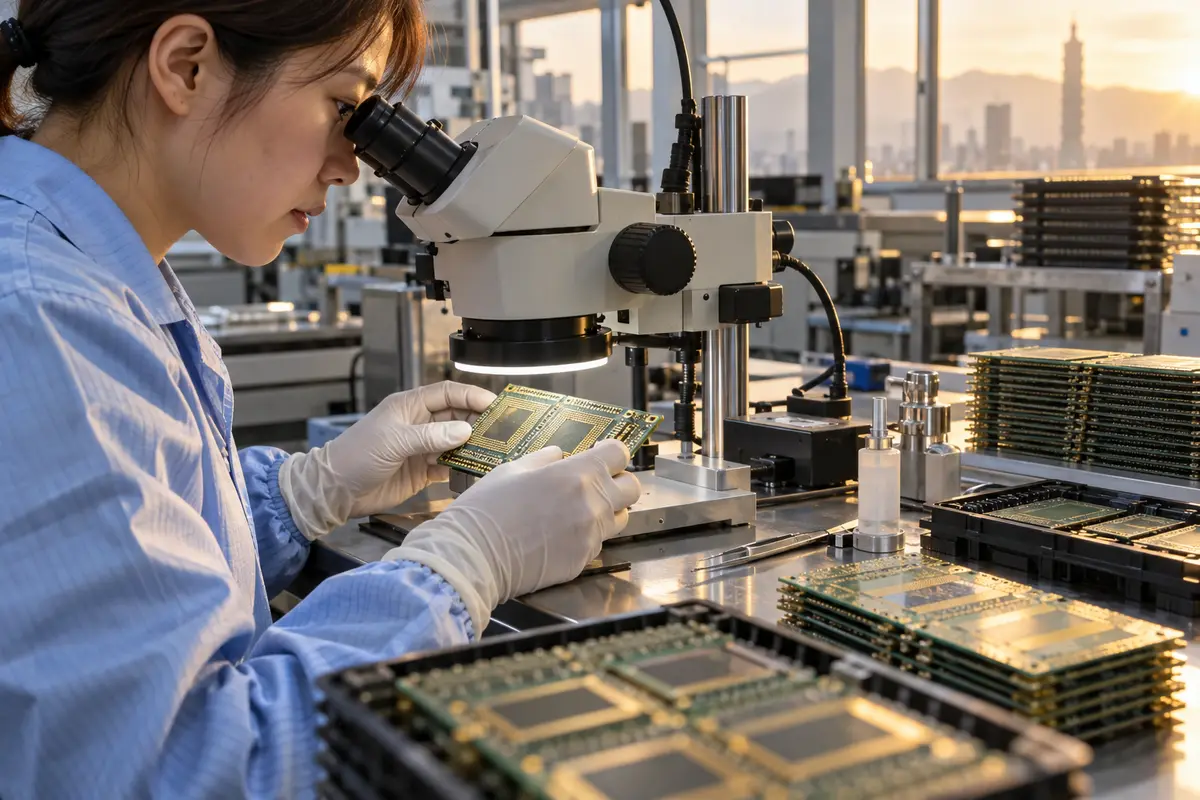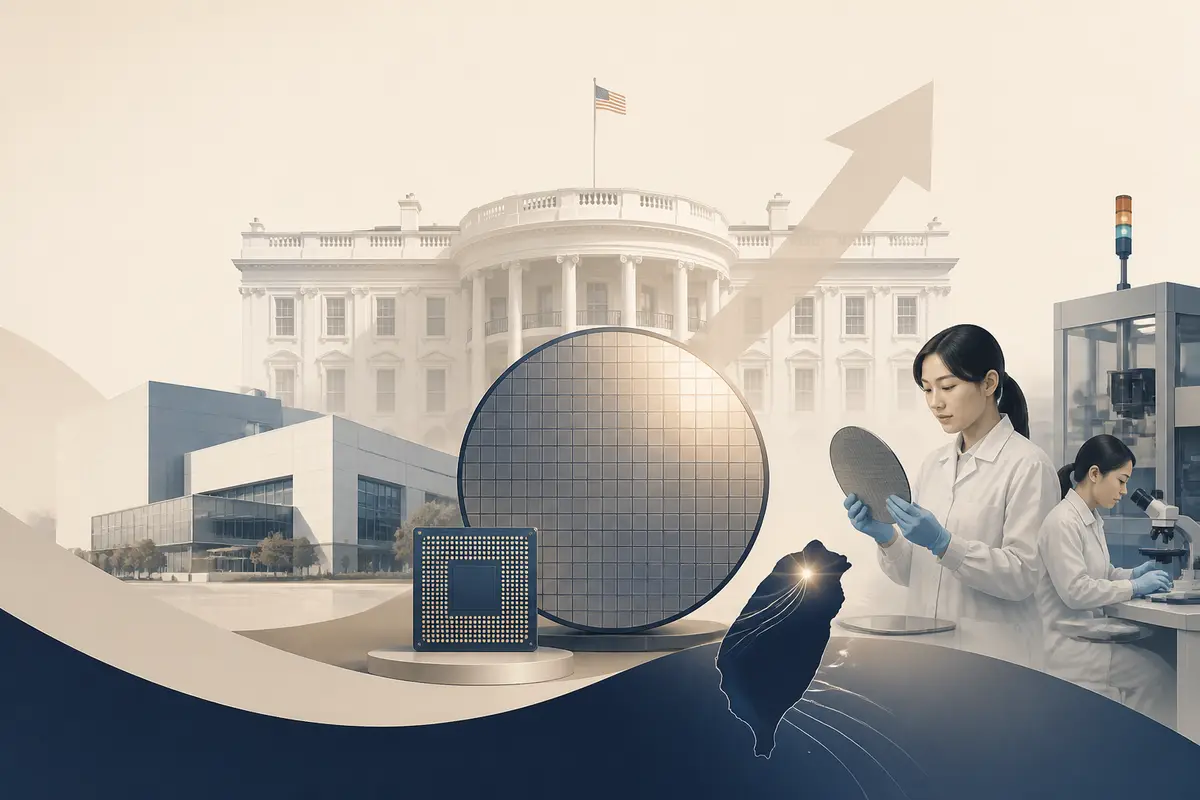
Tesla and SpaceX unveiled a US$16.8 billion first phase for their Terafab semiconductor campus in Grimes County, Texas, on August 6, 2026. The announced plan calls for more than 9.3 million square meters of manufacturing space and at least 3,000 jobs, although the companies have not published a production date.
The proposal is meant to combine advanced logic, memory, packaging and testing at one site. Its long-term target is enough hardware for one terawatt of computing capacity each year, but that figure does not disclose wafer starts, chip volumes or expected yields.
Why Musk's companies want their own fab
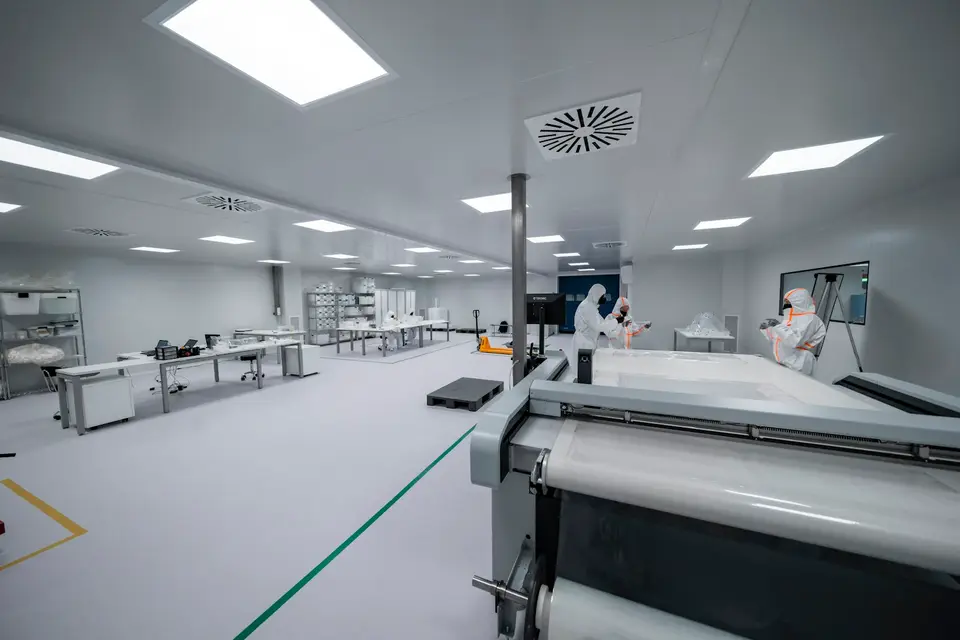
Elon Musk has framed Terafab as a response to the amount of computing hardware sought by Tesla, SpaceX and xAI. The proposed output would serve processors for Tesla's Optimus robots and vehicles, along with chips designed for SpaceX's planned orbital computing systems.
Internal production is not presented as a full replacement for foundries. SpaceX's June 2026 prospectus says the company expects to continue sourcing a substantial portion of its computing hardware from third-party suppliers and describes Terafab as complementary to those relationships. The same filing calls the Tesla collaboration a general framework and says individual projects require separate negotiations over capital spending, milestones and development schedules.
The public numbers cover different commitments
The US$16.8 billion figure applies to the newly announced first phase. It should not be combined with earlier estimates as though all the numbers were firm commitments under one contract. A May proposal described US$55 billion in initial projects and a possible US$119 billion after all planned expansion.
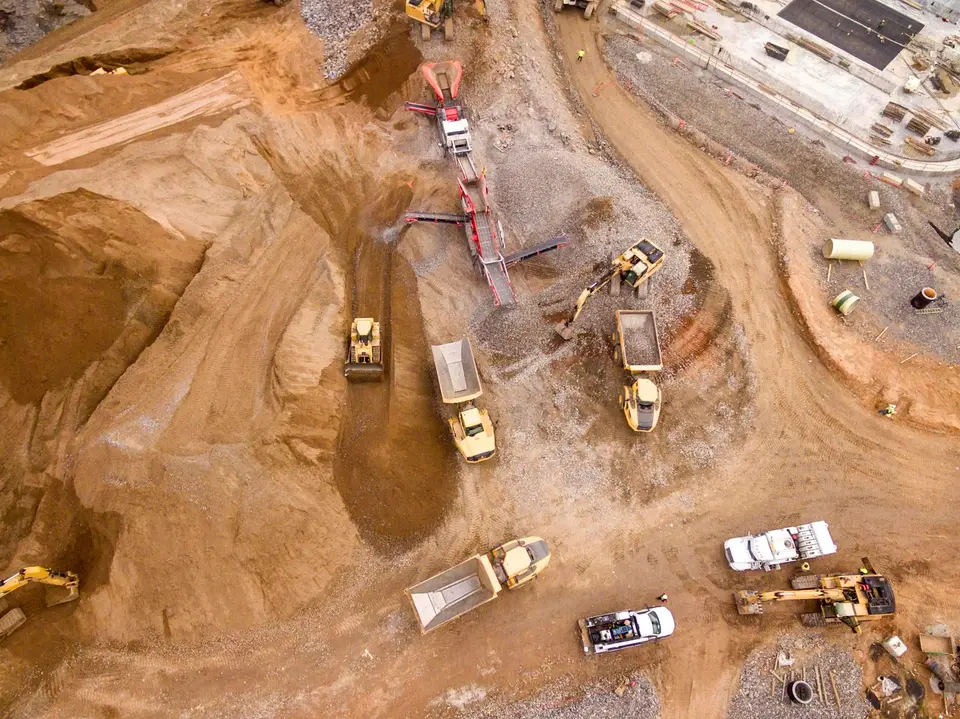
The local incentive agreements set a lower enforceable floor. Documents released by Grimes County require SpaceX to invest at least US$5 billion by 2030 and create 1,800 full-time-equivalent jobs by 2035. KBTX reported that falling short does not trigger penalties if the company reaches at least 90 percent of either target.
The county documents also describe infrastructure that would sit outside the regional power grid. They call for on-site natural-gas generation and wastewater treatment, with water intended to come from Gibbons Creek Reservoir rather than local groundwater. The agreements do not publish a firm water-use ceiling.
Intel supplies manufacturing experience
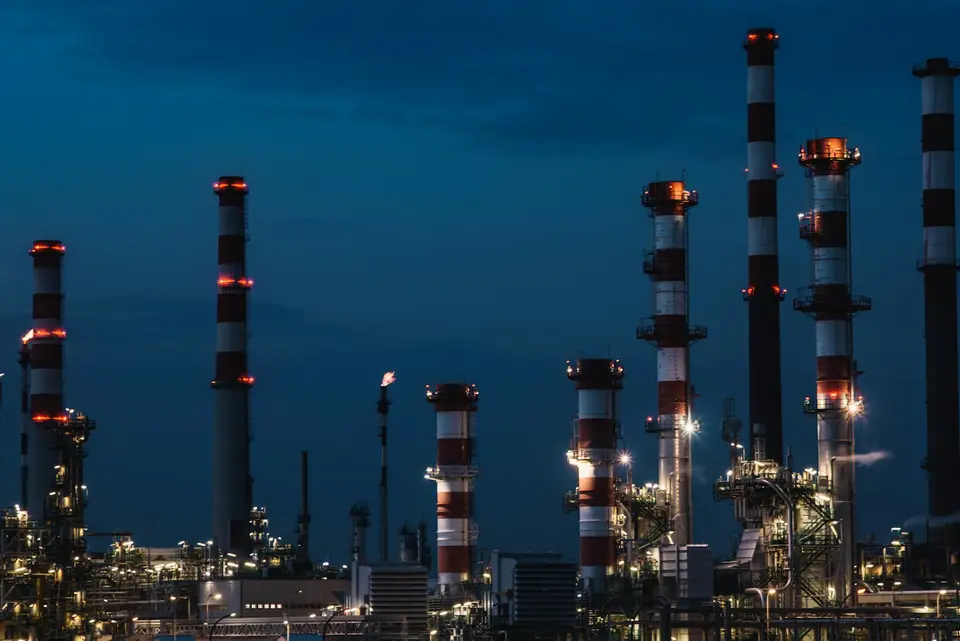
Intel joined the project in April. Intel said its contribution would draw on its ability to design, fabricate and package high-performance chips, while the scope of its participation remained undisclosed. No public statement reviewed by APPI News specifies Intel's investment, production allocation or contractual responsibilities.
That gap matters because Tesla and SpaceX do not operate a leading-edge commercial foundry today. Capital can pay for buildings and equipment, but process integration, stable yields and experienced staff determine whether a fab can deliver chips at volume.
TSMC and Samsung remain in the supply chain
Tesla is still developing AI5 with established foundries. Electrek reported that Tesla had taped out slightly different AI5 versions with Samsung and TSMC, while Samsung was preparing its version for the 2-nanometer process at Taylor, Texas. Tape-out marks the transfer of a finished design into manufacturing preparation; it is not evidence of high-volume output.
TrendForce said Terafab was unlikely to threaten TSMC's advanced-node lead in the short term and identified advanced packaging as a more plausible entry point. The research firm cited yield control, limited access to advanced lithography equipment and shortages of experienced US semiconductor workers as barriers.
What the plan does and does not establish
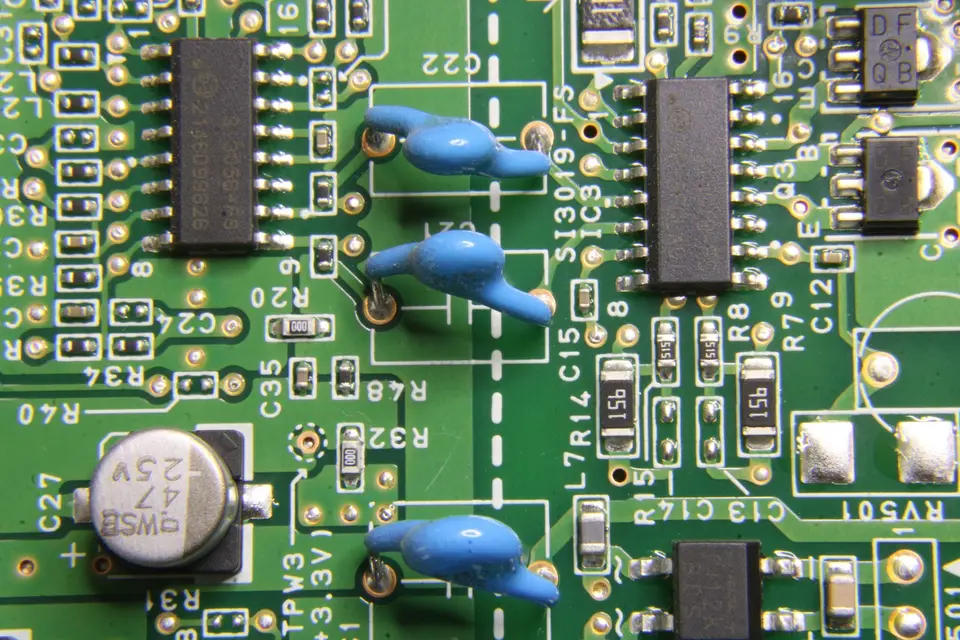
Terafab gives Musk's companies a route to add internal capacity and shorten feedback between chip design, fabrication and packaging. It could also reduce exposure to tight supplier capacity if the campus reaches commercial yields.
The available documents do not establish when that will happen. They provide no construction-to-production schedule, target wafer volume, yield forecast or complete process roadmap. The announced scale therefore describes an ambition and an initial spending plan, not a functioning alternative to TSMC, Samsung or other suppliers.
Frequently asked questions
When will Terafab begin production?
No public production date has been announced. SpaceX's prospectus says specific projects under the Terafab framework remain subject to separate agreements covering schedules, milestones and spending.
Is US$16.8 billion the total cost?
No total has been fixed in the documents reviewed for this report. US$16.8 billion covers the announced first phase, while earlier applications contemplated a much larger multi-stage buildout.
Will Terafab replace TSMC and Samsung?
The public record does not support that conclusion. SpaceX expects to keep purchasing a substantial share of its computing hardware from outside suppliers, and Tesla's AI5 work with Samsung and TSMC is continuing.
Sources and further reading
- Terafab starts to take shape with $16.8 billion initial investment(Tom's Hardware)
- SpaceX Australian prospectus(SpaceX)
- SpaceX may spend up to $119B on Terafab chip factory in Texas(TechCrunch)
- Grimes County releases documents detailing SpaceX Terafab agreement(KBTX)
- Intel signs on to Elon Musk's Terafab chips project(TechCrunch)
- Samsung's Texas fab enters production for Tesla's AI5 chip on 2nm(Electrek)
- Musk's Terafab vision raises questions over TSMC impact(TrendForce)