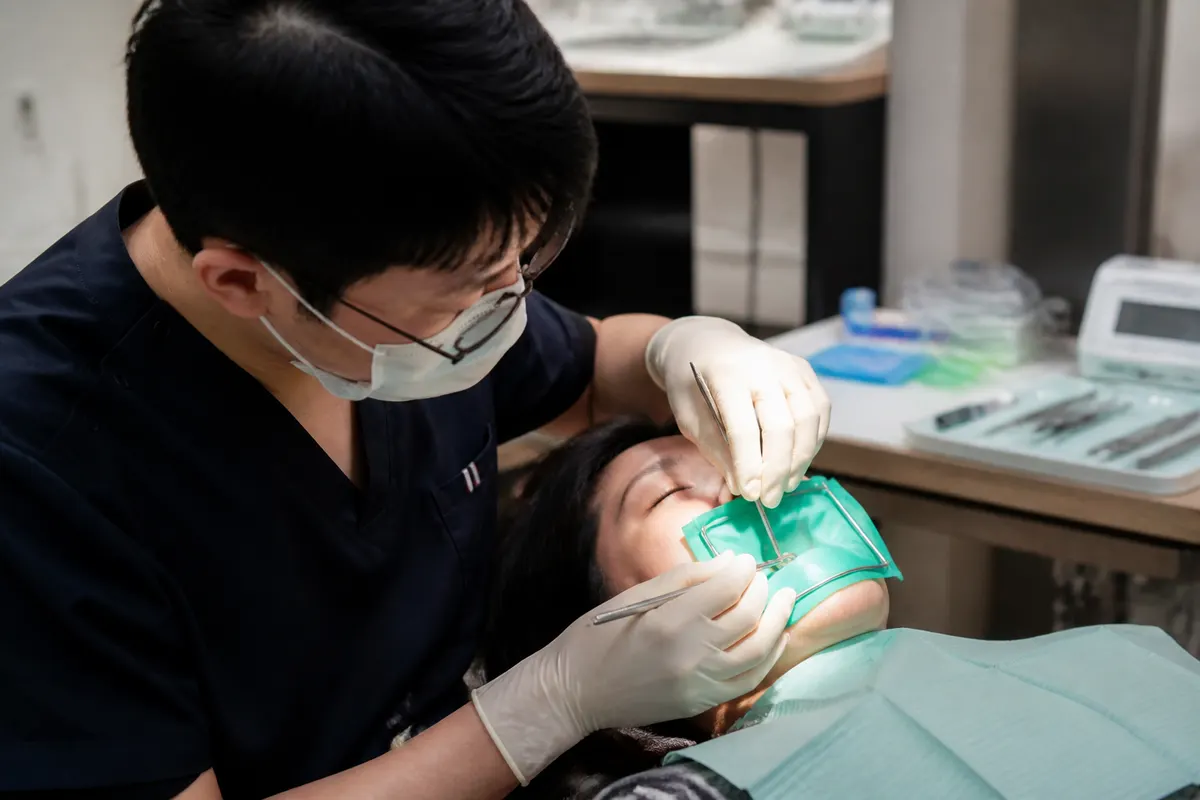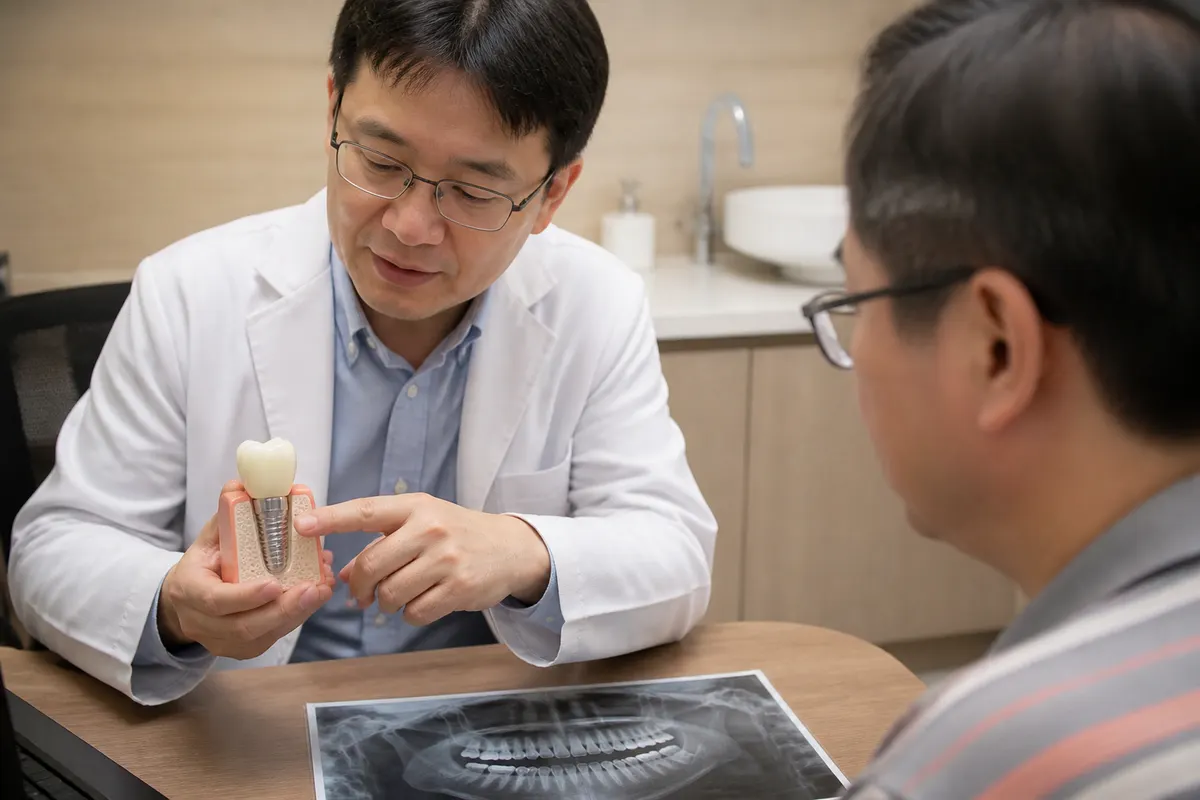
Adults can undergo orthodontic treatment, but appliance choice depends on the condition of the teeth, gums, roots and jaws rather than age alone. Fixed braces and clear aligners move teeth through controlled force, and both require a diagnosis, a treatment plan and follow-up care.
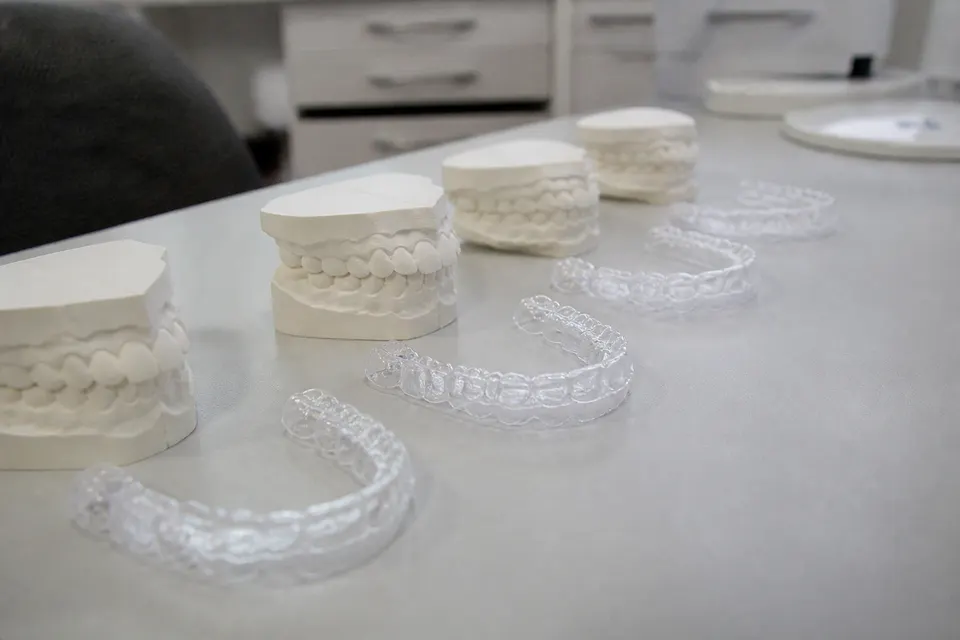
Clear aligners are removable plastic trays made in a sequence, while fixed appliances use brackets and archwires attached to the teeth. Appearance and convenience may influence the choice, but they do not establish which appliance can safely produce the required movement.
An examination comes before the appliance
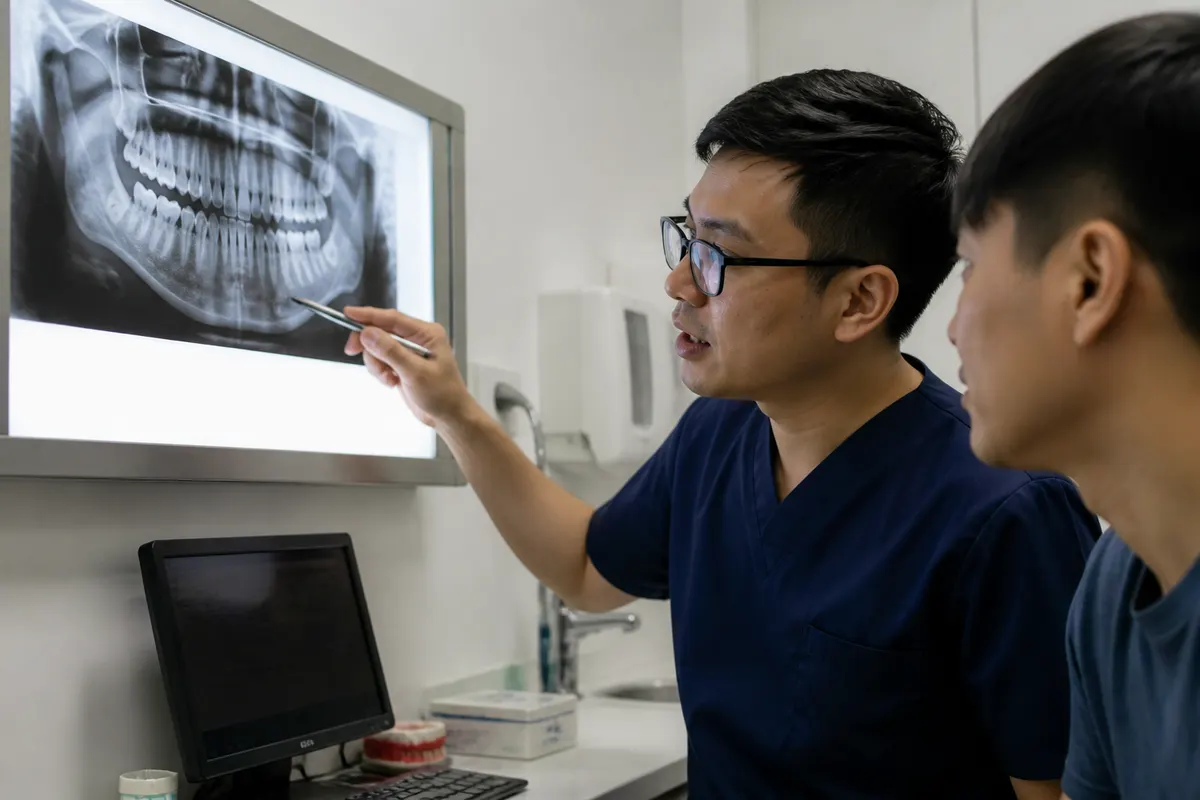
A consultation should assess the bite, teeth, gums and supporting bone before treatment begins. The American Association of Orthodontists says an in-person examination can assess gum health, while X-rays can show roots and impacted teeth that photographs and digital scans cannot reveal. These findings can affect whether treatment starts, which appliance is used and whether another dental problem needs attention first.
Adults with active gum disease or reduced periodontal support need coordinated assessment rather than an appliance selected from photographs. The clinical findings may change the timing of treatment, the force applied and the follow-up plan.
When dental symptoms need urgent care
Seek emergency medical care for severe swelling of the mouth, lips, throat or neck that affects breathing, heavy mouth bleeding that will not stop, or a serious injury to the face or jaw. The United Kingdom's National Health Service lists those signs as reasons for immediate emergency care. A knocked-out tooth, worsening mouth swelling, or severe pain that disrupts sleep or daily activity requires urgent dental assessment.
After braces are fitted or adjusted, short-lived soreness can occur. The United Kingdom's National Health Service advises contacting the orthodontist when pain lasts more than a few days, gums become very red, swollen or painful, or braces break. Treatment should not be continued from a seller's automated schedule while a new symptom remains unassessed.
Clear aligners and fixed braces do not fit every case equally
A 2025 systematic review included 21 randomized trials and 970 patients and found no difference between clear aligners and fixed appliances on several objective grading measures. Both approaches worked for simple malocclusions treated without extractions.
The review did not establish that aligners work as well for every complex movement. The authors rated the overall evidence as low quality and called for better studies of complex malocclusions. Differences in study design and outcome reporting also prevented a clear quantitative conclusion across all treatment effects.
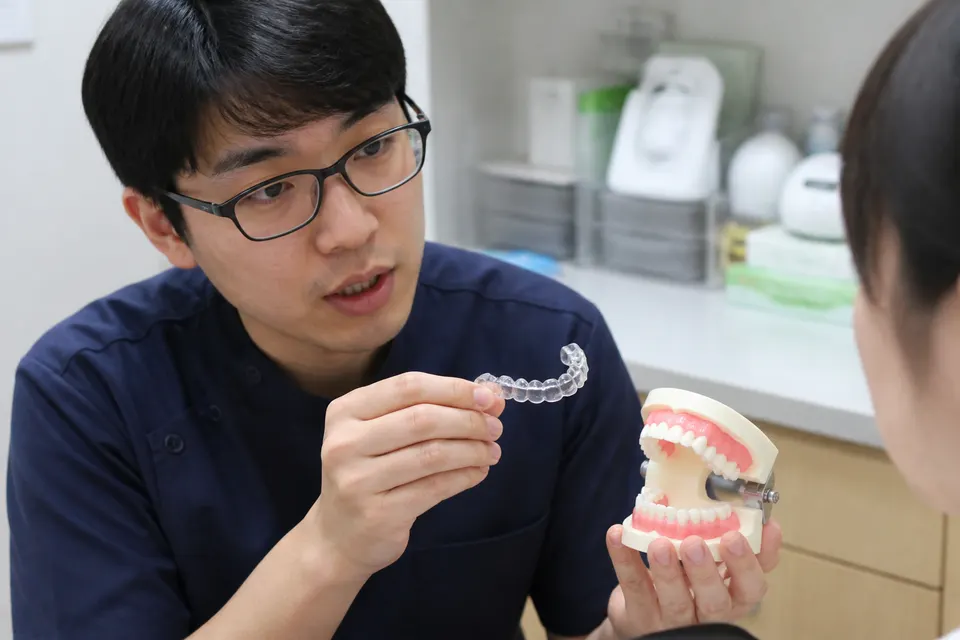
Metal, ceramic and self-ligating braces are all fixed appliances. Clear trays can be removed for eating and cleaning, but their performance depends partly on wear and on whether the prescribed movement is predictable with that system. The diagnosis, not the visibility of the appliance, should determine the options offered.
Gum disease changes the treatment plan
Orthodontic force acts through the tissues supporting each tooth, so periodontal status matters before and during treatment. A systematic review and meta-analysis found no material worsening of periodontal outcomes in stable, treated periodontitis patients who underwent orthodontic tooth movement, but the authors based that conclusion on a small set of low-quality studies with high risk of bias.
That finding applies to treated, stable disease, not untreated inflammation or unexplained tooth mobility. Adults may need periodontal care before orthodontic movement and monitoring during treatment. Evidence does not support promising that straightening teeth will itself prevent future gum disease.
Mail-order aligners remove clinical safeguards
Direct-to-consumer aligner services differ from dentist-supervised aligner treatment when they start tooth movement without an in-person examination, diagnostic imaging or continuing clinical review. A scan or home impression records tooth surfaces; it does not by itself assess periodontal pockets, root condition or the bone supporting the teeth.
Researchers reviewing the US Food and Drug Administration's Manufacturer and User Facility Device Experience database identified 104 reports involving direct-to-consumer sequential aligners without dentist supervision from 2010 through 2020. Bite problems appeared in 41.3 percent of the reports, orofacial pain in 29.8 percent and periodontal consequences in 26.6 percent; 69.2 percent recorded follow-up with a dental provider.
Those figures describe submitted US reports, not the risk faced by every user. The database does not provide the total number of people who used the products, reporting is incomplete, and a report does not by itself prove that an aligner caused the event. The pattern still shows why symptoms and bite changes require clinical examination rather than remote troubleshooting alone.
Whether an aligner is a regulated medical device, who may prescribe it and what remote care is permitted vary by country. A consumer should be able to identify the licensed clinician responsible for diagnosis and follow-up, understand how urgent problems will be handled and receive a written treatment and retention plan. APPI News did not verify the regulatory status of mail-order aligner services in every market.
Retention is part of treatment
Teeth can move after active orthodontic treatment, so clinicians use fixed or removable retainers to limit relapse. A 2023 Cochrane review included 47 studies with 4,377 adults and children but rated the evidence comparing retention approaches as low or very low certainty. Most studies followed patients for less than one year, and the review excluded treatment performed with aligners.
The review could not identify one best retainer or wear schedule. A fixed retainer can detach, and a removable retainer can be lost, damaged or left unworn. Patients need instructions for their own device and a route to obtain a review if it breaks, stops fitting or the teeth begin to shift.
What to establish before treatment starts
A written plan should state the diagnosis, treatment goals, proposed appliance, expected follow-up and retention arrangements. It should also explain foreseeable limitations, what could change the plan and who will examine new pain, gum changes or an altered bite.
Prices, insurance coverage and professional titles cannot be compared reliably without naming a country and a specific plan. Quotes may include different records, procedures, follow-up visits, refinements and retainers. Comparing only the advertised appliance price can therefore compare different packages of care.
Frequently asked questions
Is there an upper age limit for braces or clear aligners?
Age alone does not rule out orthodontic treatment in adults. The condition of the gums, teeth, roots and supporting bone determines whether treatment can start and what monitoring is needed.
Are clear aligners as effective as fixed braces?
Some studies report similar objective outcomes, but the evidence does not cover every movement or complex case. Extraction needs, jaw relationships, periodontal condition and the required tooth movements can change the choice.
Can photographs or a 3D scan replace an in-person examination?
No. They cannot fully assess gum pockets, tooth roots, impacted teeth or supporting bone. An examination and appropriate diagnostic records are needed before teeth are moved.
Are mail-order aligners legal?
The answer depends on the country, the device and how dental practice is regulated there. Regulatory status should be checked with the named national authority, and legal sale does not replace diagnosis or clinical follow-up.
Is a retainer needed after treatment?
Retention is used because teeth can move after braces or aligners. Evidence does not identify one best retainer or universal wear schedule, so the treating clinician should provide instructions for the device and case.
Sources and further reading
- Adult Orthodontics: Your Questions, Expertly Answered(American Association of Orthodontists)
- Effectiveness of clear orthodontic aligners in correcting malocclusions: a systematic review and meta-analysis(Journal of Evidence-Based Dental Practice via PubMed)
- Effect of orthodontic therapy in periodontitis and non-periodontitis patients: a systematic review with meta-analysis(Journal of Clinical Periodontology via PubMed)
- Adverse Events Related to Direct-To-Consumer Sequential Aligners: A Study of the MAUDE Database(Dentistry Journal via PubMed Central)
- What is the best method for maintaining the correct position of teeth after orthodontic treatment?(Cochrane)
- How to find an emergency or urgent NHS dentist appointment(United Kingdom National Health Service)
- Braces(United Kingdom National Health Service)