A dental implant quote can cover several clinical and laboratory stages rather than one replacement tooth. Implant and crown materials matter, but imaging, surgery, bone grafting and long-term maintenance can also change the total.
No price range travels cleanly across countries, insurers or clinics. A useful comparison starts by checking whether each quote covers the same procedures and components, then separating evidence about materials from marketing claims.
The quote covers a treatment sequence
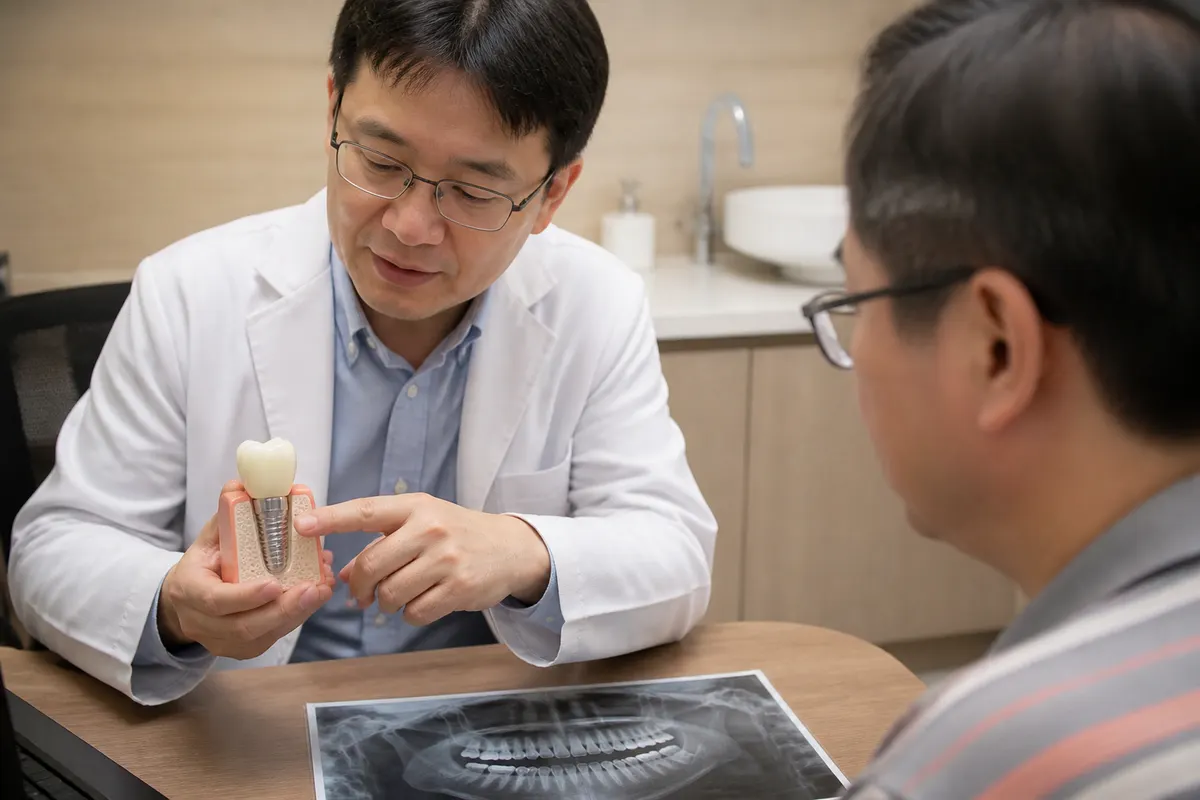
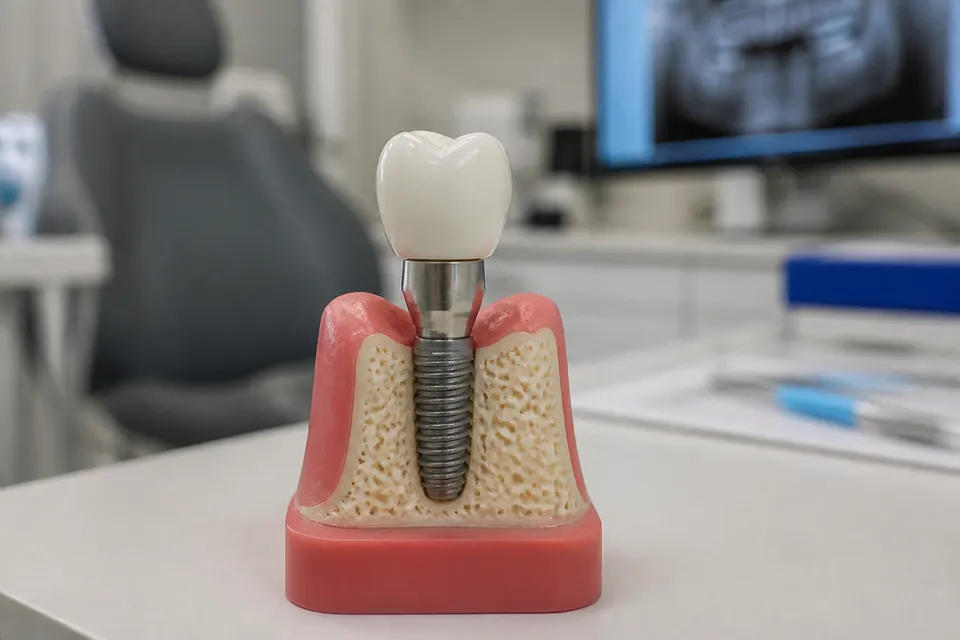
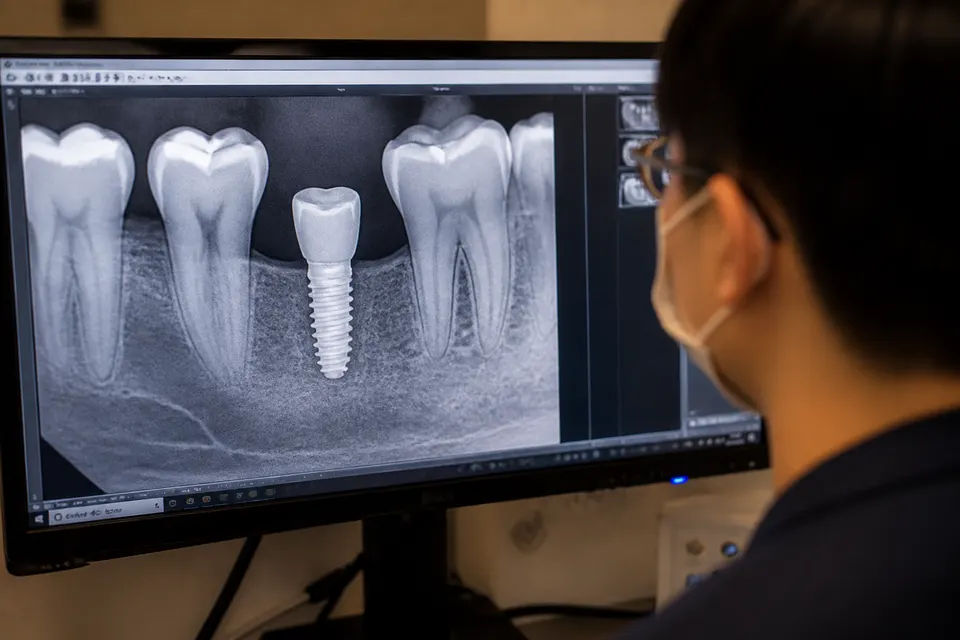
A single-tooth implant restoration commonly consists of an implant placed in the jaw, an abutment that connects it to the restoration, and a crown. The European Federation of Periodontology (EFP) describes those parts and says the implant surface bonds with surrounding bone during healing, a process called osseointegration.
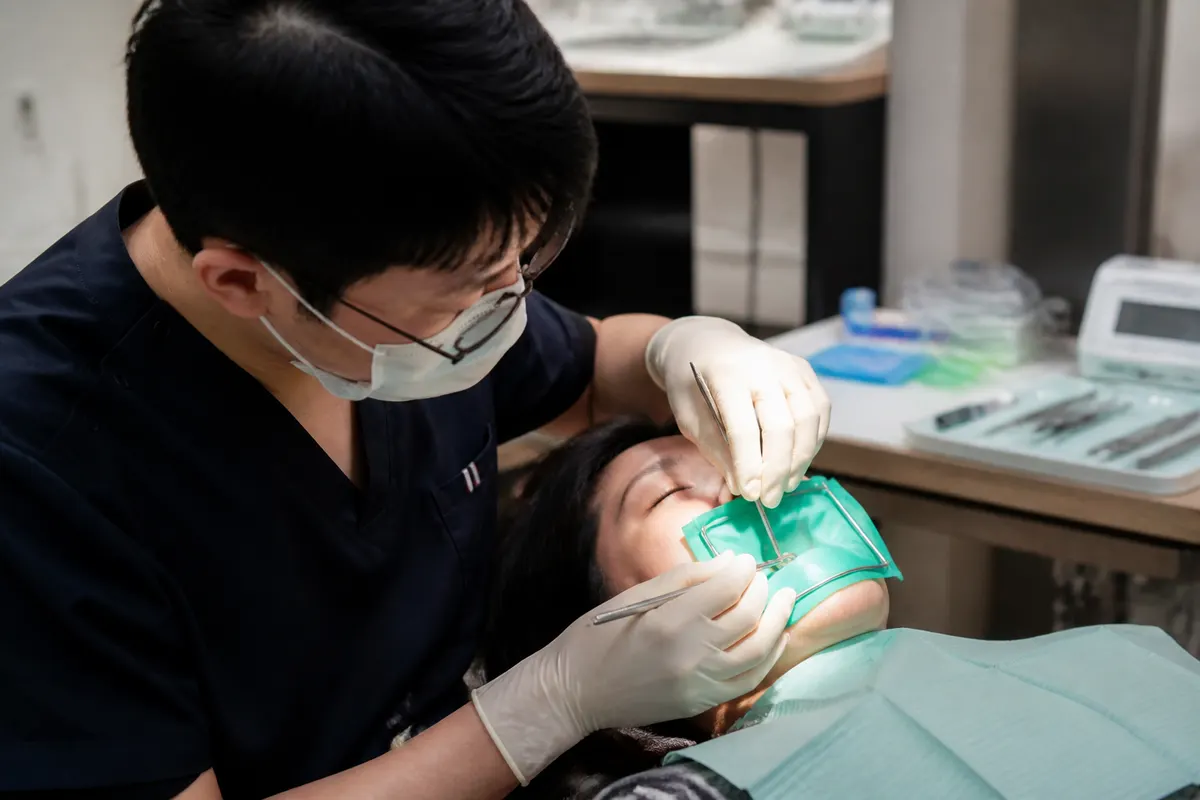
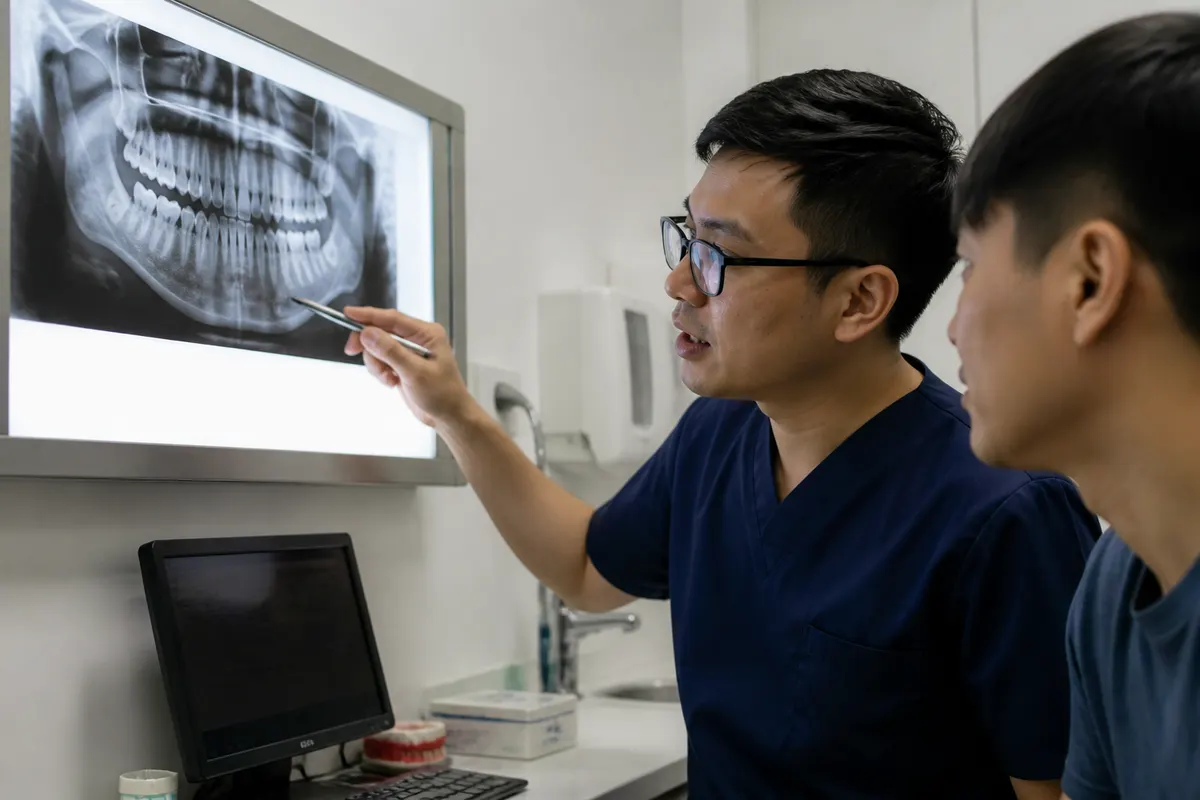
The clinical sequence may add an examination, X-rays or cone-beam computed tomography, implant surgery, impressions or a digital scan, laboratory work, the crown and review appointments. The quote should make clear which of these are included, whether temporary components are separate and what happens if the plan changes after surgery.
Warning signs need prompt care
Heavy bleeding that will not stop, a serious injury to the face or jaw, or severe swelling of the mouth, lips, throat or neck that affects breathing requires emergency medical care. The United Kingdom's National Health Service also lists severe or persistent mouth pain, an enlarging swelling and a loose or broken crown or bridge as reasons for urgent dental assessment.
After implant treatment, worsening pain, swelling, bleeding, a loose restoration or difficulty cleaning around the implant should be reported to the treating dental team. Symptoms cannot show whether the problem involves the crown, abutment, implant or surrounding tissue, so an online price or material comparison cannot replace an examination.
Bone grafting can add surgery and healing time
Implant placement requires enough bone in the planned position and adequate distance from structures such as nerves and sinuses. The EFP says bone grafting or bone regeneration may be needed when the jaw lacks sufficient width or height, including after long-term tooth loss, periodontal bone loss or trauma.
A graft introduces another procedure, material choice and healing stage, and may alter imaging and follow-up needs. A quote that includes grafting therefore cannot be compared directly with one for uncomplicated implant placement unless the proposed procedures and assumptions match.
Higher-priced implant material does not prove a better outcome
Titanium is widely used for the implant body, while titanium-zirconium alloys and ceramic zirconia implants are available for selected indications. These are implant materials, not the same thing as the material used for the visible crown.
A 2017 systematic review of six clinical studies found no difference in one-year survival or marginal bone loss between narrow titanium-zirconium implants and narrow commercially pure titanium implants. The finding applied to narrow implants and short follow-up; it does not show that the materials perform identically in every diameter, position or patient.
Brand, surface design, diameter and connection design can be bundled into a sales description alongside the alloy. A higher fee alone is not clinical evidence that one system will last longer, and a lower fee does not identify the reason for the difference. The written plan should identify the implant system and material so the proposed products can be checked under the medical-device rules of the patient's country.
Crown materials involve different trade-offs
The crown is the visible and functional restoration attached above the implant. Common categories include metal-ceramic crowns and ceramic systems that use zirconia, but laboratory design, veneering, tooth position and bite forces also affect performance.
A 2018 systematic review found zirconia-ceramic and metal-ceramic implant-supported single crowns had similar biological complication rates, while zirconia-ceramic crowns had fewer aesthetic problems but more failures from material fracture. The review does not support a universal rule that either category is best, and results from the included systems may not transfer to every newer product.
Survival rates are not warranties
A 2019 systematic review of 18 prospective studies estimated 10-year implant survival at 96.4 percent, with a prediction interval of 91.5 percent to 99.4 percent. A sensitivity analysis that imputed missing follow-up data produced a lower summary estimate of 93.2 percent and a much wider prediction interval.
Survival in that review meant the implant remained in the mouth. It did not guarantee freedom from inflammation, crown fracture, screw loosening, repair or replacement, and it cannot predict the result for an individual patient.
Maintenance belongs in the cost discussion
Implants do not develop tooth decay, but plaque can inflame the surrounding tissues. Peri-implant mucositis affects soft tissue, while peri-implantitis also involves progressive loss of supporting bone.
The EFP's 2023 clinical-practice guideline includes oral-hygiene instruction, risk-factor control, a restoration that can be cleaned and supportive peri-implant care in prevention and treatment planning. A quote focused only on placement and the crown leaves out the examinations and professional maintenance that follow delivery of the restoration.
Compare itemized plans, not headline totals
Each written plan should identify the tooth or site, the proposed implant and abutment, the crown material, the imaging and anesthesia included, and whether extraction, temporary restoration or bone augmentation is separate. It should also state the expected sequence, review arrangements and who handles complications or replacement components.
Prices and payment rules are local. APPI News could not identify a comparable international database that would support a global implant price range, and figures from one city or health system should not be presented as a benchmark for another.
Before replacing a tooth, the clinical discussion also needs to establish whether it can be preserved and whether a bridge or removable prosthesis is a reasonable alternative. The neighboring teeth, available bone, gum health, bite and maintenance burden can change that comparison.
Some patients need a separate plan
Children and adolescents need an age-appropriate assessment because jaw growth and tooth development can affect timing. Pregnant patients should tell the dental team before imaging, surgery, anesthesia or medicines are planned, rather than applying a schedule written for a generally healthy adult.
People with diabetes, periodontal disease, bleeding risks, immune suppression or other chronic conditions, and anyone who smokes or takes prescription medicines or supplements, need an individualized medical and dental review. The review may change timing, coordination with another clinician and follow-up, but a diagnosis or implant decision cannot be made from a generic risk list.
Frequently asked questions
Why can two implant quotes differ so much?
They may include different imaging, surgery, implant and abutment components, crown materials, laboratory work, grafting and follow-up. The first comparison is whether the scope matches, not whether the headline total is lower.
Does a more expensive alloy have a higher survival rate?
Price does not establish clinical superiority. Comparative evidence is limited to particular designs and follow-up periods, so material selection requires the anatomy, restoration and evidence for the proposed system.
Is zirconia always better for an implant crown?
No. A systematic review found different aesthetic and fracture patterns between zirconia-ceramic and metal-ceramic crowns without establishing one material as the best choice for every site.
Does a high 10-year survival rate mean no further cost?
No. Implant survival does not exclude tissue disease or repairs to the crown and its connecting parts, and professional monitoring remains part of care.
Can a quote confirm whether bone grafting is needed?
A preliminary quote may change after clinical examination and imaging. The reason for grafting, the proposed material, the number of procedures and the effect on timing should appear in the final plan.
Sources and further reading
- Dental implants explained(European Federation of Periodontology)
- How to find an emergency or urgent NHS dentist appointment(United Kingdom National Health Service)
- Survival rate of titanium-zirconium narrow diameter dental implants versus commercially pure titanium narrow diameter dental implants: A systematic review(Clinical Implant Dentistry and Related Research via PubMed)
- A systematic review of the survival and complication rates of zirconia-ceramic and metal-ceramic single crowns(Clinical Oral Implants Research via PubMed)
- Long-term (10-year) dental implant survival: A systematic review and sensitivity meta-analysis(Journal of Dentistry via PubMed)
- Prevention and treatment of peri-implant diseases: EFP clinical-practice guideline summary(European Federation of Periodontology)