Foreign ministers from Australia, India, Japan and the United States met in Manila on July 22 and issued a statement seeking closer cooperation with the Association of Southeast Asian Nations (ASEAN). The timing put the four-country Quad partnership alongside a week of ASEAN-led ministerial meetings in the Philippine capital.
The document's scope is narrower than some accounts suggested. The published text names only the four Quad ministers as its issuers; it is a statement about cooperation with ASEAN, not a joint ASEAN-Quad declaration.
The statement sets four broad priorities
The Quad brings together Australia, India, Japan and the United States. Australia's foreign affairs department says the partnership grew from the four countries' response to the December 2004 Indian Ocean tsunami and that its foreign ministers have met at least annually since 2019.
The July statement identifies four areas for cooperation: maritime and transnational security, economic prosperity and security, critical and emerging technologies, and humanitarian assistance and emergency response. It also says peace and stability at sea underpin regional security and prosperity.
Those headings do not amount to an operating plan. The release gives no budgets, named projects or deadlines, leaving later meetings to show whether the four governments and ASEAN members can turn them into joint work.
ASEAN centrality is a claim about regional process
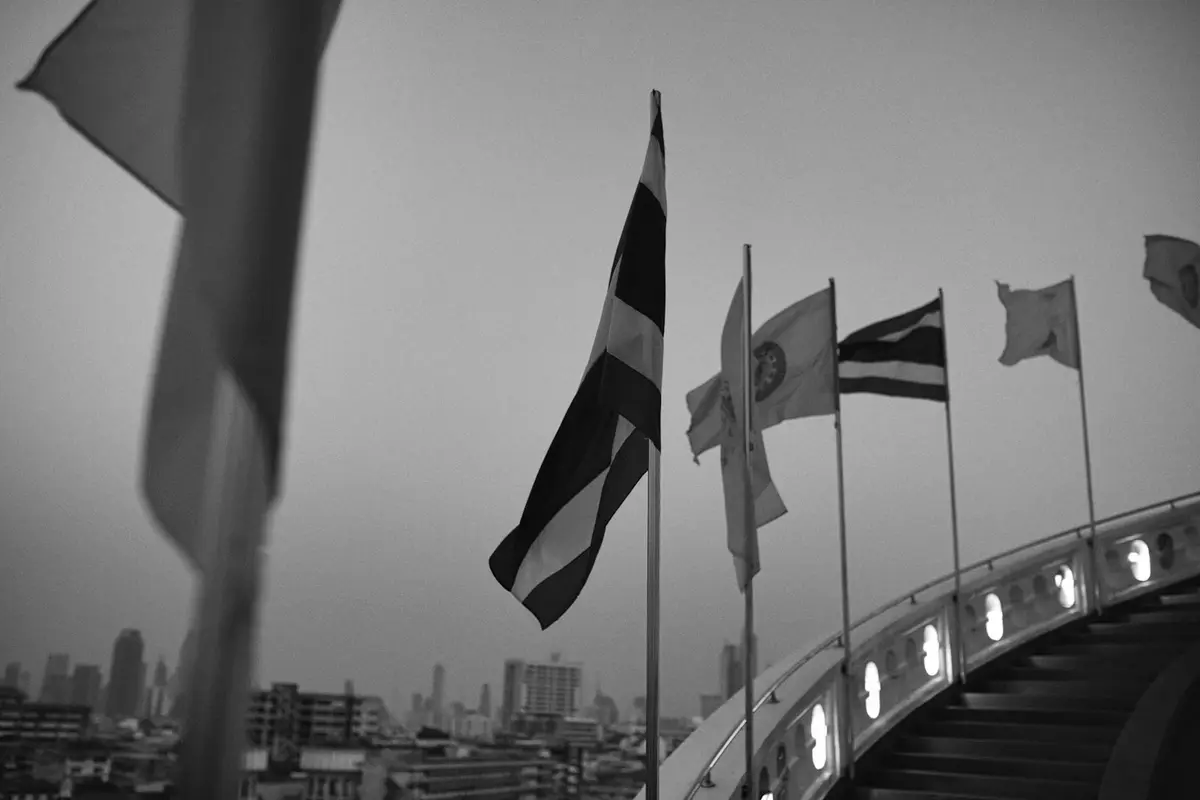
The statement backs ASEAN “unity and centrality” and says Quad activity should support the ASEAN Outlook on the Indo-Pacific. ASEAN's 2019 outlook calls for dialogue and cooperation instead of rivalry, with ASEAN-led bodies serving as the main forums.
In practice, centrality means outside powers accept ASEAN-convened meetings as a venue for regional diplomacy. It does not mean ASEAN members take a common position on every security dispute or align themselves with one outside group.
The distinction matters here because ASEAN did not sign the Quad statement. The document shows the Quad courting ASEAN and adopting its institutional language, but it does not by itself demonstrate that ASEAN has moved into the Quad's camp.
China is absent from the text but present in the context
The Quad release does not name China, the South China Sea or the Taiwan Strait. Its references to maritime stability and coercion therefore should not be presented as a formal finding about a particular government.
Japan provided a fuller national account of the meeting. Japan's foreign ministry said the four ministers discussed the East China Sea and South China Sea, while Japanese Foreign Minister Toshimitsu Motegi opposed unilateral attempts to change the status quo by force or coercion.
The Associated Press reported that Australian Foreign Minister Penny Wong also voiced concern about destabilizing and risky behavior. It said US Secretary of State Marco Rubio discussed a recent South China Sea confrontation in a separate meeting with Chinese Foreign Minister Wang Yi.
ASEAN met China on the same day
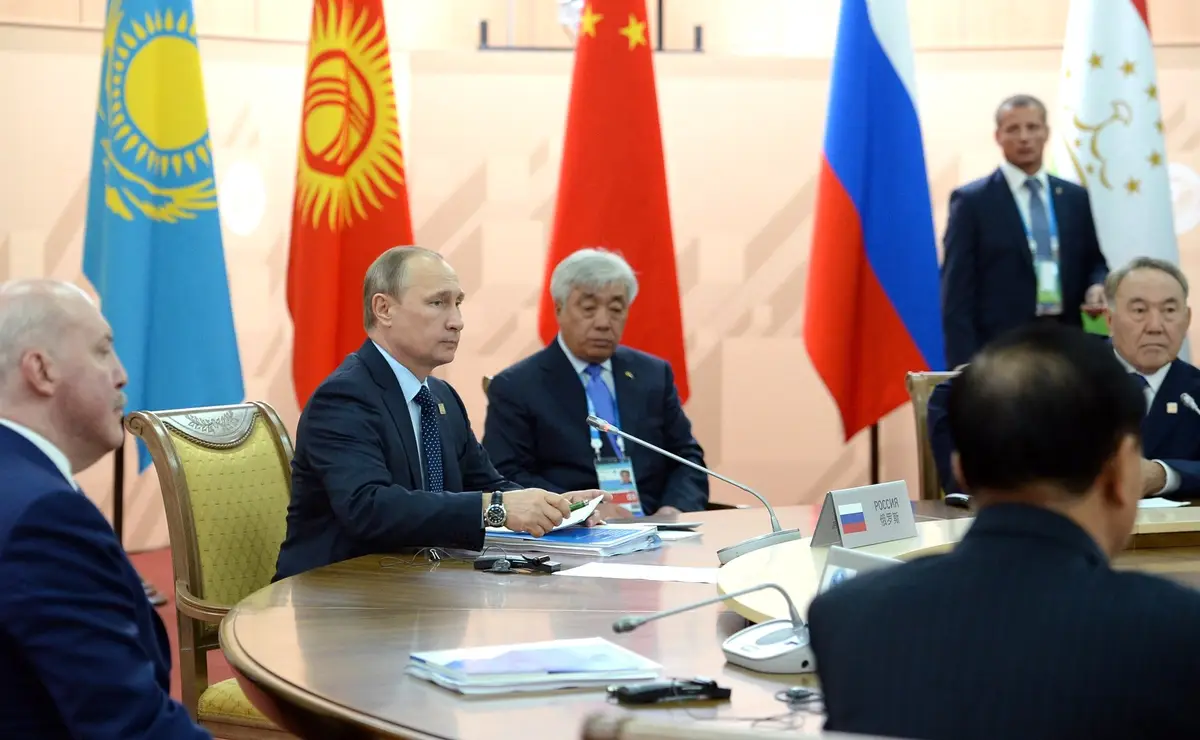
The Manila schedule also showed why a single-bloc reading is incomplete. China's foreign ministry said Wang co-chaired a China-ASEAN foreign ministers' meeting on July 22 with Malaysia's foreign minister, attended by ASEAN foreign ministers and the ASEAN secretary-general.
China's account said the participants discussed trade, technology, energy and negotiations for a South China Sea code of conduct. That page presents the Chinese government's description of the meeting, but the event itself shows ASEAN engaging China at the same time that Quad ministers were seeking closer ties.
The measurable test for the Quad statement will be what follows: named maritime programs, technology projects, funding commitments or emergency-response exercises carried out with ASEAN members. Until those appear, the Manila release is evidence of diplomatic outreach, not an ASEAN security alignment.
Sources and further reading
- Joint Press Release on Cooperation with ASEAN by the Quad Foreign Ministers(Australian Minister for Foreign Affairs)
- The Quad(Australian Department of Foreign Affairs and Trade)
- Japan-Australia-India-U.S. (Quad) Foreign Ministers' Meeting(Ministry of Foreign Affairs of Japan)
- ASEAN Outlook on the Indo-Pacific(Association of Southeast Asian Nations)
- Rubio warns that control of Strait of Hormuz would set dangerous precedent(Associated Press)
- China-ASEAN Foreign Ministers' Meeting Held in Manila(Ministry of Foreign Affairs of the People's Republic of China)