Russia's embassy in Rome said on August 3 that five people were killed and 19 injured in the bombing of the Balzi Rossi restaurant in central Moscow on August 1. The embassy's account raised the death toll from the three fatalities first reported by Russia's National Anti-Terrorism Committee, but Russia's Foreign Ministry did not explain the revised figures.
The committee's initial statement listed 21 injured people, compared with 19 in the embassy's later account. The discrepancy leaves both the final toll and the identities of the victims unsettled in the public reporting reviewed by APPI News.
A bomb detonated after a woman was stopped at the entrance
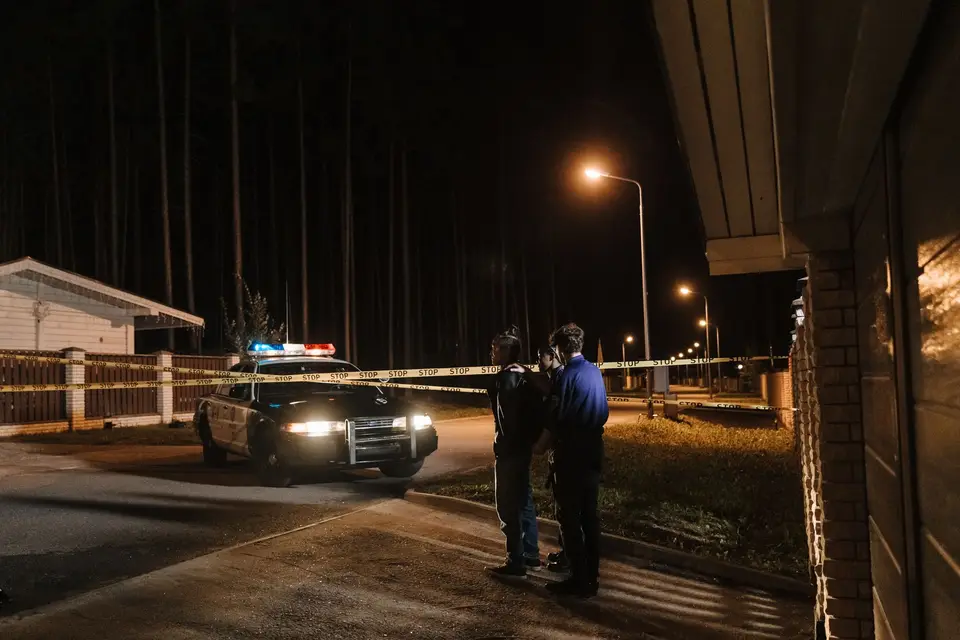
The initial Russian account said an unidentified woman tried to carry an explosive device into the restaurant before a security guard refused her entry and the bomb detonated. The National Anti-Terrorism Committee, which coordinates Russian security agencies, described the device as an improvised bomb.
The committee said the woman, the guard and a restaurant guest died at the scene. Moscow's investigative authorities said the attack remained under investigation, while Mayor Sergei Sobyanin called it a terrorist act without naming a suspect or organization.
Reports of a military target remain unverified
Several Russian media outlets said a senior military officer was attending a birthday event at the restaurant. They identified him as Col. Gen. Alexander Chaiko, who had recently been appointed head of Russia's aerospace forces, but the Associated Press said it could not independently verify those reports.
Russia's National Anti-Terrorism Committee did not identify an intended target or mastermind. The presence of a military officer, even if confirmed, would not by itself establish that the gathering or that officer was the object of the attack.
Russia's accusation does not settle responsibility
Russia's embassy in Rome blamed Ukraine and said the bombing was meant to intimidate Italians working in Russia, but it did not present evidence in the statement reported by the Associated Press. Ukrainian authorities had not immediately commented, and Russia's Foreign Ministry did not issue its own statement backing the embassy's account.
Russian authorities have blamed Ukraine for previous attacks on military officials since Russia launched its full-scale invasion in February 2022. Responsibility for this bombing remains a separate question, and no public evidence cited in the reviewed reports establishes who ordered it.
The case sits within a wider pattern of wartime attacks
Bombings and shootings have killed or wounded several senior Russian military figures since 2022. Russia tightened security around senior military and government officials after those attacks, but the measures did not establish a link between the earlier cases and the restaurant bombing.
The investigation must still reconcile the casualty counts, identify the victims and determine whether the device carrier acted knowingly or with help. It must also establish whether the restaurant, its Italian staff, the reported military guest or another person was the intended target.
A separate APPI News report examines how attacks linked to the Russia-Ukraine war have widened risks for civilian shipping in the Black Sea. Those maritime incidents provide broader war context but do not show who was responsible for the Moscow bombing.
Sources and further reading
- 3 killed, 21 wounded in Moscow restaurant bombing(Associated Press)
- Russian Embassy in Rome blames Ukraine for deadly Italian restaurant bombing in Moscow(Associated Press)