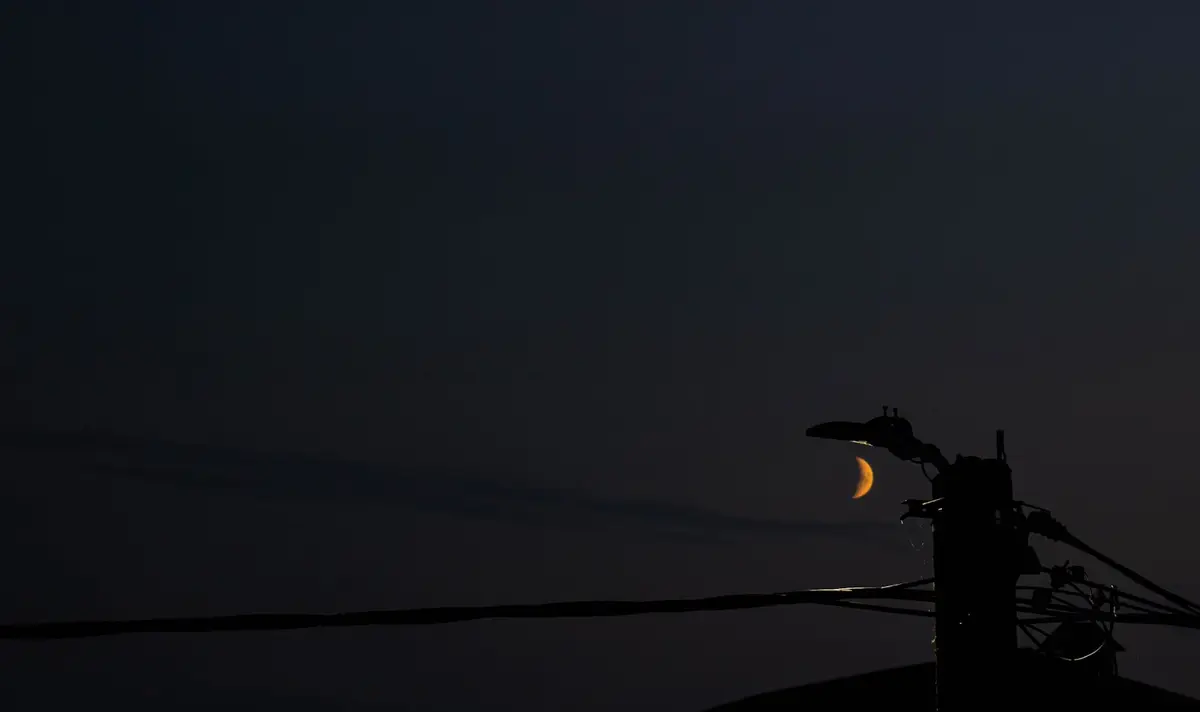
A drone strike at the Russian Black Sea resort of Arkhipo-Osipovka killed seven people, including four children, on August 3, according to Krasnodar regional authorities. The authorities raised the number of wounded to 58 on August 4 and said 21 people were hospitalized.
Russian officials blamed Ukraine for the beach strike, while Ukraine had not commented when the Associated Press published its report. The attack came as Russia and Ukraine exchanged strikes that killed civilians far from the front line and as two Turkish-owned ships were hit after leaving a Russian port.
Deaths reported in Russia and Ukraine
A Ukrainian drone attack in the Moscow region killed five people and wounded 10 on August 4, according to regional governor Andrei Vorobyov. Fires broke out in an industrial zone in the Chekhov municipal district, where authorities reported most of the damage.
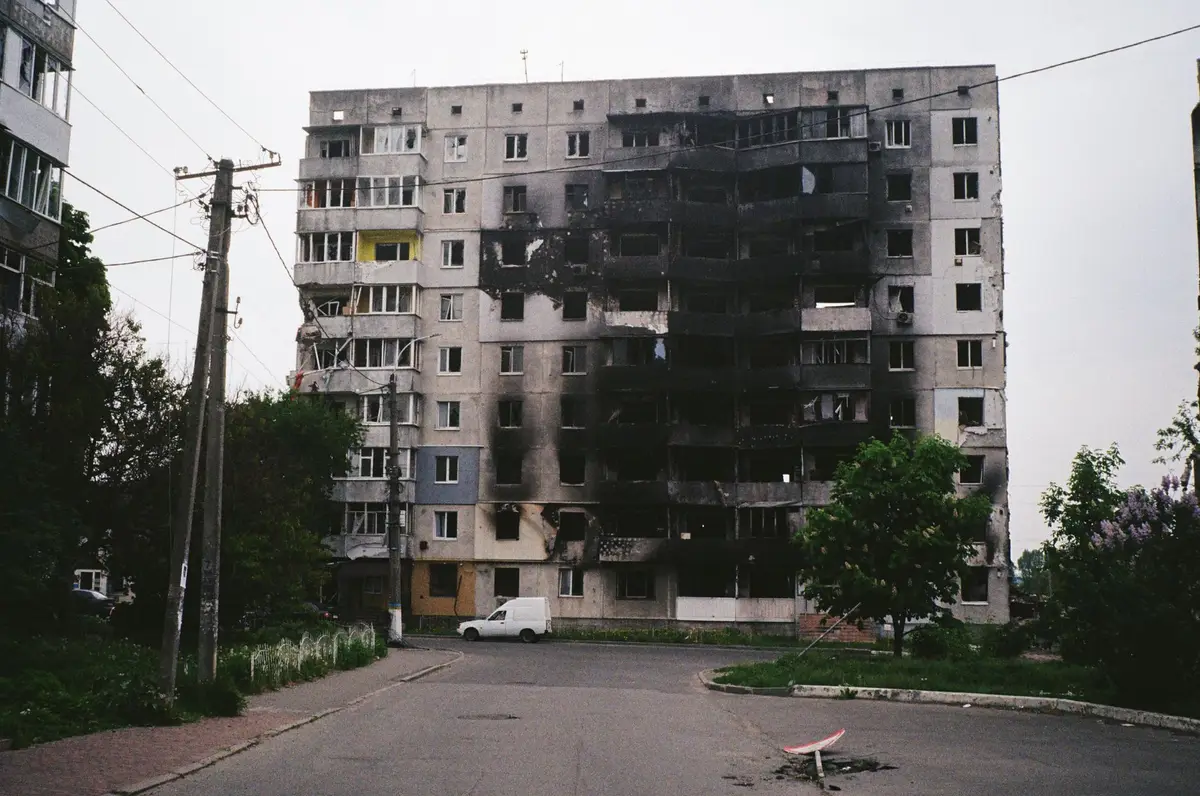
Russian attacks killed five people across several parts of Ukraine, according to Ukrainian regional officials cited by the AP. Six Russian glide bombs killed two girls aged five and 10 and an older woman in the Sumy region, while a strike on Mykolaiv killed an 89-year-old woman and wounded seven people aged two to 83.
Officials also reported one person killed and seven wounded in the Kharkiv region. Two glide bombs wounded 24 people in Kramatorsk in the eastern Donetsk region. These figures came from regional authorities during ongoing attacks and had not been independently verified by APPI News.
Merchant ships become part of the escalation

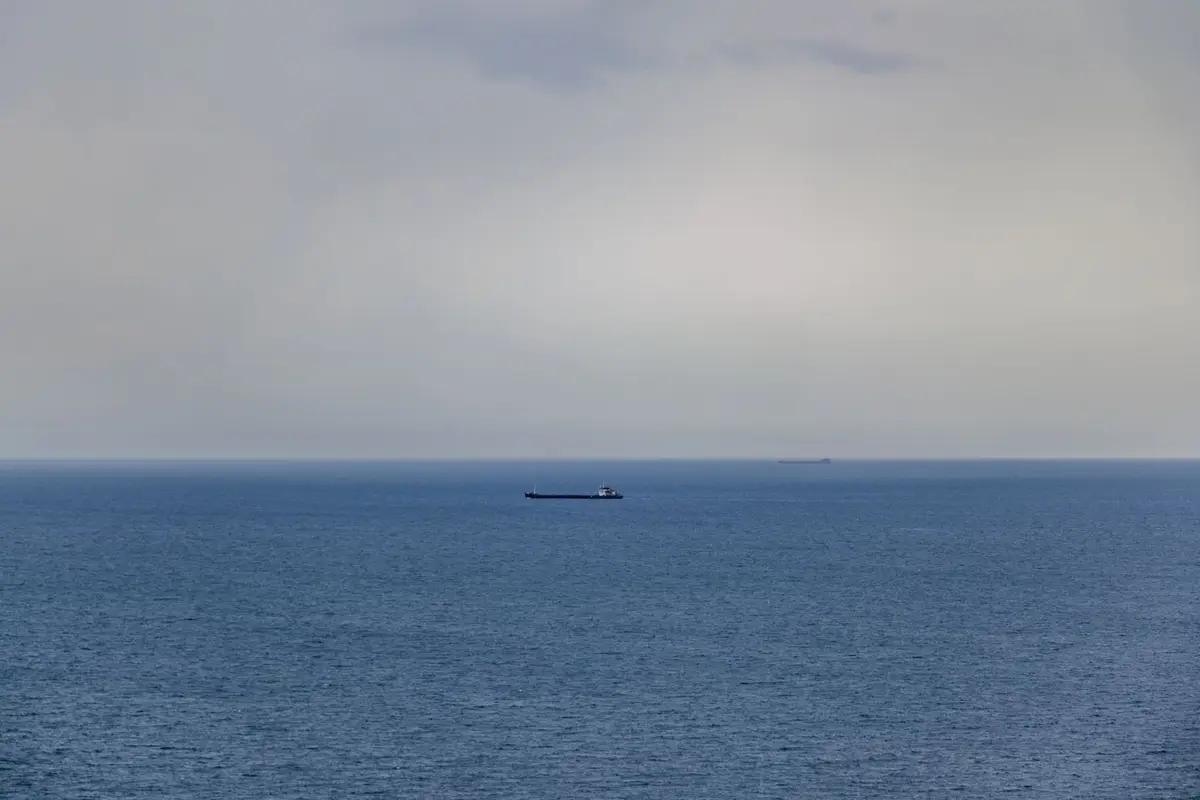
Two Turkish-owned ships were attacked by drones after departing the Russian port of Novorossiysk, leading Turkey to repeat its call for safe passage in the Black Sea. The Turkish Foreign Ministry voiced concern that the war was spreading across the sea and threatening commercial shipping.
The AP report did not identify the attacker, and the Turkish statement it cited did not assign responsibility. APPI News could not verify crew casualty figures, evacuation details or the extent of damage to the vessels in an official Turkish statement at the time of writing.
Why the shipping risk reaches beyond the vessels
Black Sea routes carry grain, fertilizer and other commodities between regional ports and overseas markets. Turkey's foreign ministry warned that attacks on merchant traffic could therefore have wider consequences for the global food supply, but that warning does not establish that the August 3 attacks had already reduced shipments or raised food prices.
The maritime risk predates these two incidents. The International Maritime Organization said on July 13 that a renewed series of attacks on civilian merchant vessels in the Black Sea and Sea of Azov endangered seafarers, navigation, supply chains and the marine environment. It called on all parties to protect merchant shipping and comply with international law.
That statement places the latest attacks within a broader pattern, but it does not determine who struck the Turkish-owned vessels. Responsibility for each incident requires separate evidence, and neither a ship's ownership nor its route establishes which party carried out an attack.
Claims remain difficult to verify during active strikes
Both countries publish rapid accounts of damage and casualties, often before independent investigators can reach the sites. The beach death toll, the Moscow-region casualties and the figures from Ukraine should therefore be read as attributed reports rather than final independently established totals.
The same limit applies to claims about intent. Video can show an explosion or damage, but it may not establish the operator, target selection or weapon path without technical evidence. At the time of writing, the public reporting reviewed by APPI News did not resolve responsibility for the beach strike or the attacks on the two ships.
Sources and further reading
- Russia and Ukraine trade drone attacks with 5 killed in each country(Associated Press)
- IMO condemns attacks on civilian merchant vessels in the Sea of Azov and the Black Sea(International Maritime Organization)