Confirmed Bundibugyo Ebola cases in the Democratic Republic of the Congo passed 4,200 by August 9, with more than 1,900 deaths. The outbreak that began in May is the second-largest Ebola outbreak on record and the fastest by reported transmission, according to an Associated Press report citing Congolese health authorities.
A separate scare near the capital ended without a detected case. More than 200 passengers were quarantined at Maluku, 65 kilometers from Kinshasa, after a former passenger died with Ebola-like symptoms after leaving the vessel. Congolese authorities said Saturday that laboratory tests on all suspected cases aboard the boat were negative for Bundibugyo virus, and the vessel was decontaminated.
Boat tests ease immediate concern near Kinshasa
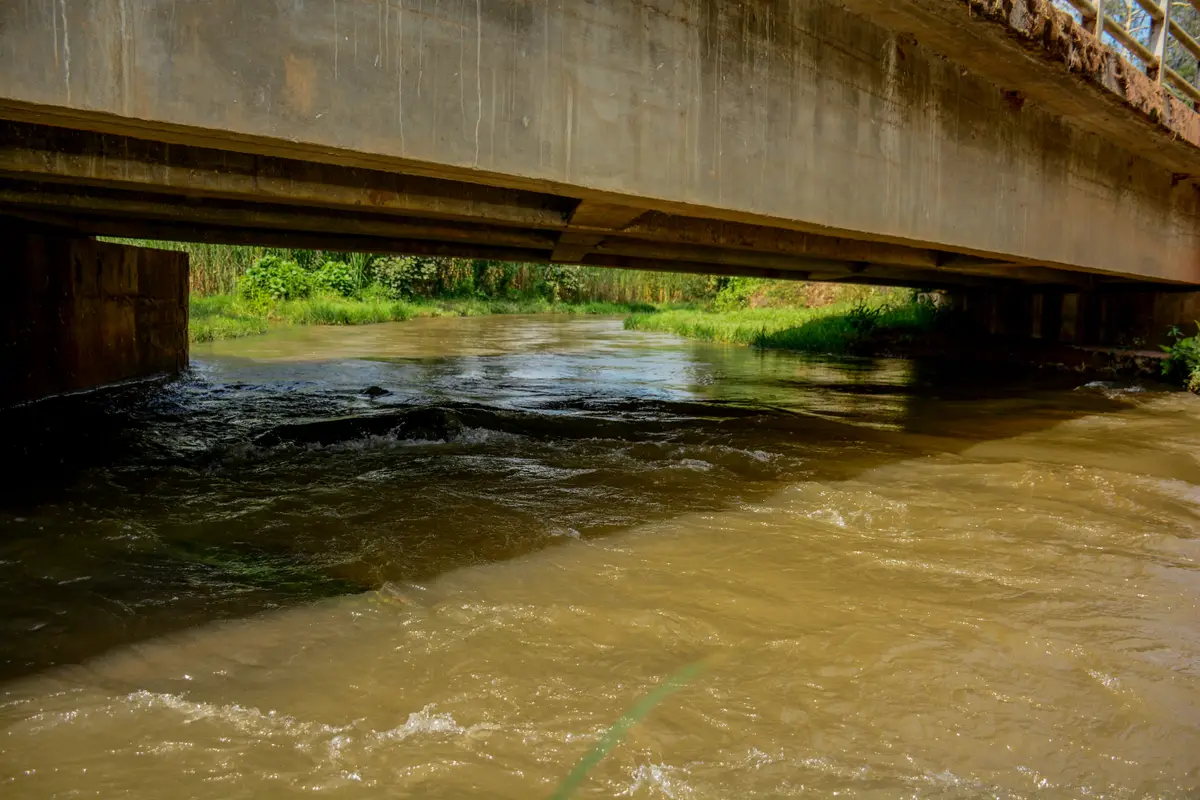
The boat had traveled along the Congo River before authorities stopped it on August 6. The former passenger had become ill and disembarked in Pimu, Mongala province, more than 1,000 kilometers upriver from Kinshasa. Health teams examined those aboard and sent samples from passengers with suspicious symptoms to the laboratory.
The negative results removed that vessel as a detected route into the capital, but they did not change the pressure in eastern Congo. Ituri province remains the center of the outbreak, while cases have also been reported in North Kivu, South Kivu, Haut-Uele and Tshopo.
No approved vaccine for the outbreak virus
The outbreak is caused by Bundibugyo virus, one of the viruses that cause Ebola disease. World Health Organization (WHO) guidance issued for the 2026 outbreak says there is no licensed vaccine or approved therapeutic for Bundibugyo virus disease. Vaccines and antibody treatments used against Ebola outbreaks caused by other virus species therefore cannot simply be treated as approved tools for this outbreak.
That gap leaves control efforts dependent on finding cases, laboratory confirmation, isolation and care, contact follow-up, safe burials and community cooperation. WHO's July 17 assessment said infected people are not contagious before symptoms begin and that confirmation requires laboratory testing because early symptoms are not specific.
Contact follow-up falls short in parts of Congo
The same WHO report recorded 2,124 confirmed cases and 828 deaths in Congo as of July 15, before the later surge past 4,200 cases. It identified 12,693 contacts across Ituri, North Kivu and Tshopo. Follow-up reached 78.1 percent in Ituri, 91.7 percent in North Kivu and 50.0 percent in Tshopo.
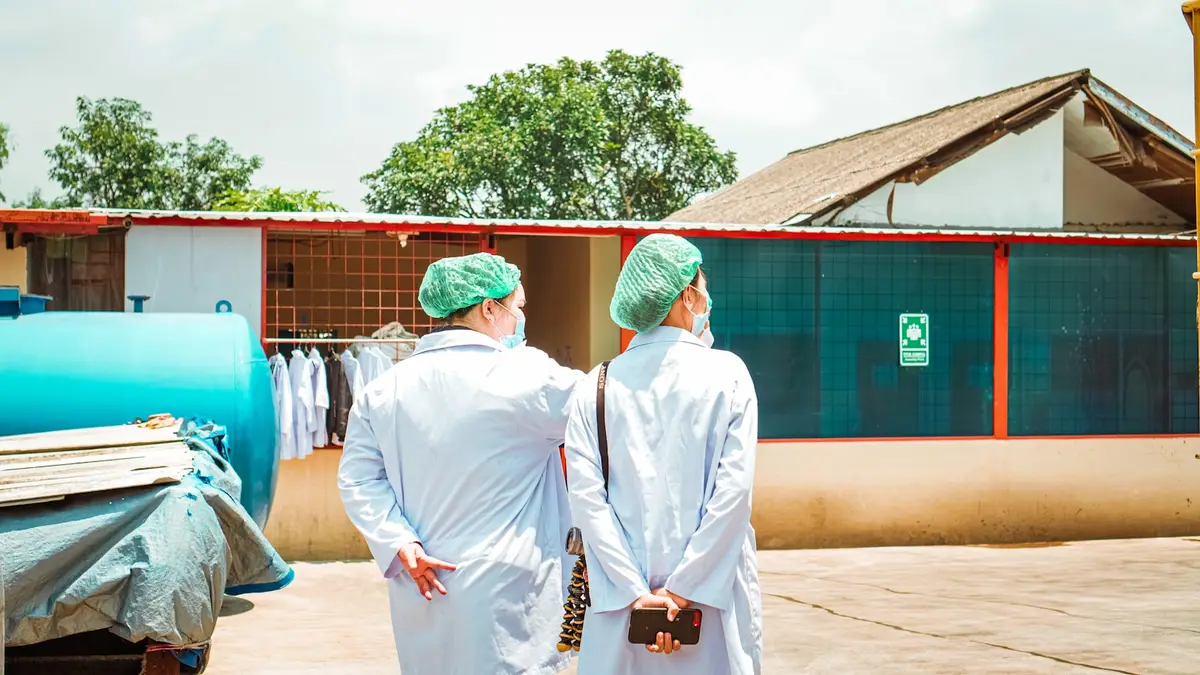
WHO also reported 119 infections and 36 deaths among health workers by July 15. The agency said conflict, attacks on health facilities, population displacement and limited access to basic services were restricting surveillance and other response work. Its report cautioned that some newly recorded cases and deaths reflected a backlog of laboratory samples rather than newly acquired infections.
Unpaid workers add pressure to the response
Payment disputes have disrupted parts of the response in Bunia, the capital of Ituri province. Hundreds of front-line workers, including burial teams and drivers, staged strikes and protests after working without pay, according to AP. Some continued reporting for duty while Congo's health ministry checked payroll lists and arranged mobile-money payments.
The outbreak has carried international consequences since May. WHO declared the outbreak in Congo and Uganda a public health emergency of international concern on May 17. In its July 17 assessment, WHO rated the risk very high within Congo and high for Uganda and countries sharing land borders with affected states, while assessing the wider global risk as low.
WHO advised against general travel or trade restrictions on Congo or Uganda. The agency instead called for coordinated surveillance, cross-border cooperation and continued preparedness while candidate vaccines and treatments are assessed.
Sources and further reading
- No Ebola cases found on quarantined river boat, Congo authorities say(Associated Press)
- One man works to slow the fastest-growing Ebola outbreak in history, and he's doing it unpaid(Associated Press)
- Ebola disease caused by Bundibugyo virus, Democratic Republic of the Congo and Uganda(World Health Organization)
- WHO guidance for mass gathering events attended by individuals from areas with documented Bundibugyo virus detection(World Health Organization)
- Bundibugyo Ebola outbreak in Congo and Uganda declared an international health emergency(World Health Organization)