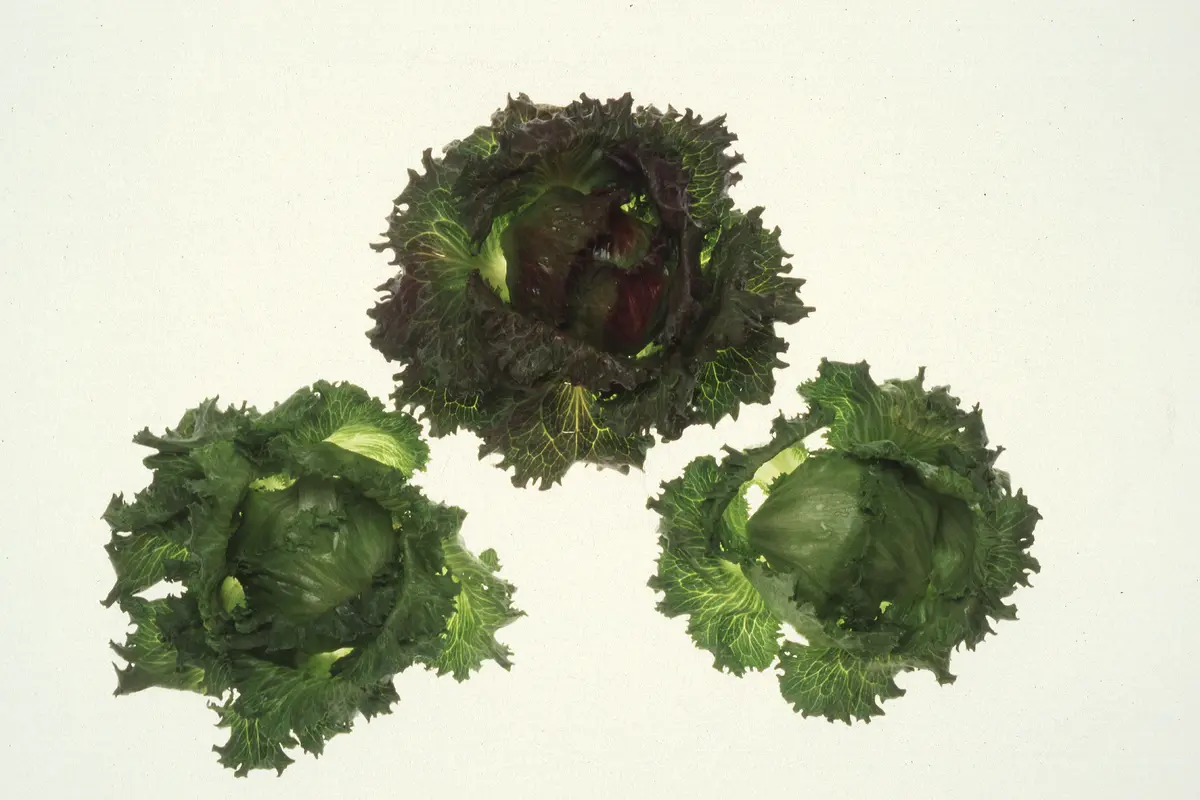
The US Food and Drug Administration (FDA) said on August 20 that a Cyclospora outbreak linked to iceberg lettuce from central Mexico had reached 10,930 illnesses in 17 states, including 454 hospitalizations and two deaths. The US Centers for Disease Control and Prevention (CDC) said the recalled products should no longer be available, but the investigation remained open.
Cyclospora is a microscopic parasite that causes an intestinal illness called cyclosporiasis. The 10,930 figure describes the lettuce-linked cluster, not every US case. A separate national surveillance count includes this outbreak and illnesses linked to other or still-unknown sources.
Traceback converged on one lettuce supplier
Taylor Farms recalled all iceberg lettuce sourced from central Mexico on July 17. The CDC said the products' best-by dates had passed and they should no longer be in stores or restaurants.
The link rests on patient interviews and traceback evidence rather than a confirmed positive lettuce sample. The FDA reclassified a reported border sample as a false positive on July 19 and said it had no confirmed positive product samples at that point. Its August 20 update said inspectors were sampling iceberg lettuce growers in Mexico with Mexican officials, but it did not identify the precise farm or stage where contamination occurred.

The two headline case counts measure different groups
The CDC recorded 15,716 laboratory-confirmed, domestically acquired cases from May 1 through August 17, with 828 hospitalizations and two deaths. The 10,930 people assigned to the lettuce outbreak are included in that national figure, so the two totals cannot be added together.
The CDC was also assessing at least 11,841 additional reports that required confirmation or further work and investigating six other clusters whose sources had not been identified. State totals can be higher because some jurisdictions include cases that do not meet the CDC's reporting criteria.
The FDA says state websites may include probable cases and may update on different schedules, while the federal outbreak count includes laboratory-confirmed cases. Recent illnesses can also take as long as six weeks to be assigned to an outbreak, leaving both the cluster and national totals subject to revision.
Staffing effects remain disputed
Cyclospora investigations also have technical constraints: the CDC says whole-genome sequencing is not available for the parasite, so teams combine patient interviews, food traceback, laboratory results and genetic tests targeting selected markers. APPI News could not find a published, system-wide staffing count covering the federal, state and local units involved, so the available record does not quantify how much personnel changes affected the investigation timeline.
FoodNet changed, but outbreak monitoring continues
The change means FoodNet-only comparisons across that date require caution, including for Cyclospora. The CDC says FoodNet's active surveillance was not designed to detect outbreaks, other systems continue to monitor the affected pathogens, and no recent change was made to outbreak detection through existing epidemiological and laboratory networks.
What investigators are still checking
The FDA continued to classify the investigation as ongoing on August 20 and said additional brands, restaurants, retailers or distribution channels could still be identified. Its field inspections and sampling in Mexico remain the main unresolved part of the source investigation.
The expired recall dates reduce the chance that the listed products remain for sale, but they do not close the case. Case interviews, confirmation and classification can continue after implicated food has left the market.
Frequently asked questions
Did investigators identify the exact point of contamination?
No. Epidemiological interviews and supply-chain records linked the cluster to Taylor Farms de Mexico lettuce from central Mexico, but the FDA had not publicly identified the exact farm or processing stage.
Why are there totals of 10,930 and 15,716?
The first is the multistate lettuce cluster. The second is a national count of laboratory-confirmed, domestically acquired cases that includes the lettuce outbreak and illnesses with other or unidentified sources.
Is the recalled lettuce still on the market?
The CDC and FDA said the products' best-by dates had passed and they should no longer be available in stores or restaurants. The outbreak investigation nevertheless remained open on August 20.
Sources and further reading
- Investigation of Multistate Outbreak of Cyclospora Illnesses: Iceberg Lettuce (July 2026)(US Food and Drug Administration)
- Cyclospora Outbreak Linked to Iceberg Lettuce(US Centers for Disease Control and Prevention)
- Surveillance of Cyclosporiasis(US Centers for Disease Control and Prevention)
- Record cyclosporiasis outbreak tests the response of a 'weakened' health system(NPR via WUSF)
- About FoodNet(US Centers for Disease Control and Prevention)