
The US Senate confirmed Erica Schwartz as director of the Centers for Disease Control and Prevention (CDC) in a 51-44 vote on August 5. She takes charge of the federal public health agency after repeated leadership changes and the loss of more than one-quarter of its workforce.
The official Senate roll call records 51 votes for Schwartz's confirmation, 44 against and five senators not voting. Tim Kaine of Virginia was the only Democrat to vote in favor, joining 50 Republicans.
Schwartz becomes the third CDC nominee in 18 months
Schwartz, 54, has medical and law degrees and previously served as the US deputy surgeon general. Her career also included a senior role in the US Coast Guard, where she oversaw a health system comprising 41 clinics and 150 sick bays.
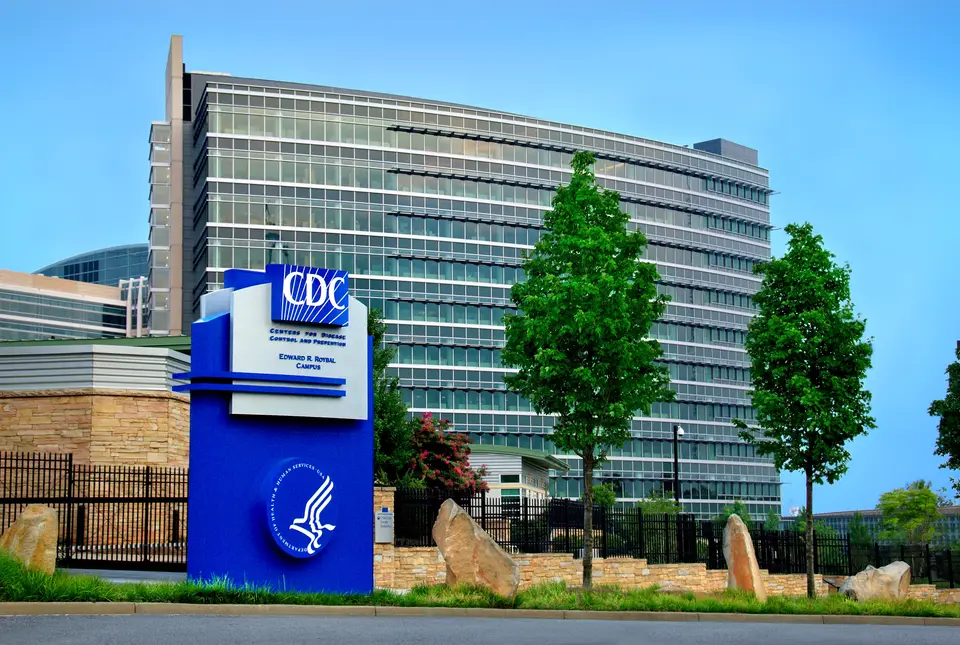
The Associated Press reported that Schwartz is the first Senate-confirmed CDC director in nearly a year and the third person nominated for the post during the past 18 months. David Weldon's confirmation hearing was canceled an hour before it was due to begin in March 2025 because he lacked sufficient Senate support. Susan Monarez was later confirmed but removed in less than a month after Trump administration officials said she was not aligned with the president's agenda.
Workforce losses have weakened the agency
The AP reported that layoffs and resignations have cut more than 3,000 positions from the CDC, representing over one-quarter of its workforce. It also said the agency's front office had been staffed by political appointees with little or no medical or public health training. APPI News could not find a current official CDC inventory that independently confirms the total number of departures.
The agency monitors disease, investigates outbreaks and issues public health guidance for the United States. It also works with health authorities abroad, meaning staffing losses can affect laboratory assistance, epidemiological support and information sharing beyond US borders.
Vaccine policy dominated the confirmation hearing
Senators from both parties pressed Schwartz on whether she would oppose an order from US Health Secretary Robert F. Kennedy Jr. that lacked scientific support. She pledged that she would not betray scientific evidence, but she declined to answer several hypothetical questions about how she would respond to specific directives.
The AP reported that Schwartz acknowledged she had not seen a CDC webpage suggesting a link between childhood vaccines and autism and would not commit at the hearing to removing it. She also agreed that the existing medical evidence had not found such a link. Her testimony does not establish how she will act if the department and agency disagree over future guidance.
Domestic and international outbreaks await the new director
US CDC surveillance data listed 1,645 confirmed domestic cyclosporiasis cases in 34 states as of July 13, with another 5,100 reports requiring analysis. The agency said the totals were likely to rise as states completed reporting and investigations into several outbreaks continued.
The CDC is also supporting the response to Ebola outbreaks in the Democratic Republic of the Congo and Uganda. The agency said it was assisting with contact tracing, laboratory testing, virus sequencing, infection control and coordination with international partners. Its notice did not state how many CDC personnel or how much funding had been assigned to that work.
Schwartz's confirmation restores a Senate-approved director, but it does not by itself replace lost staff or settle disputes over the agency's scientific independence. Her decisions on personnel, outbreak resources and vaccine guidance will provide the first evidence of how much authority she can exercise.
Frequently asked questions
How did the Senate vote on Erica Schwartz?
The Senate confirmed her by 51 votes to 44 on August 5, 2026. Five senators did not vote.
Who led the CDC before Schwartz?
The agency went through several acting leaders after Susan Monarez was removed less than a month after her confirmation. National Institutes of Health Director Jay Bhattacharya was among those who oversaw the CDC on an acting basis.
What are the main issues facing Schwartz?
They include rebuilding a workforce reduced by more than 3,000 people, directing responses to domestic and international outbreaks, and handling disputes over vaccine guidance and scientific independence.
Sources and further reading
- Roll Call Vote 220: Confirmation of Erica Schwartz(US Senate)
- Senate confirms Dr. Erica Schwartz as CDC director, bringing new leadership to troubled agency(Associated Press)
- CDC nominee says she won't betray science while declining to challenge Kennedy's actions(Associated Press)
- Surveillance of Cyclosporiasis(US Centers for Disease Control and Prevention)
- Ebola Disease Outbreak in the Democratic Republic of the Congo and Uganda(US Centers for Disease Control and Prevention)