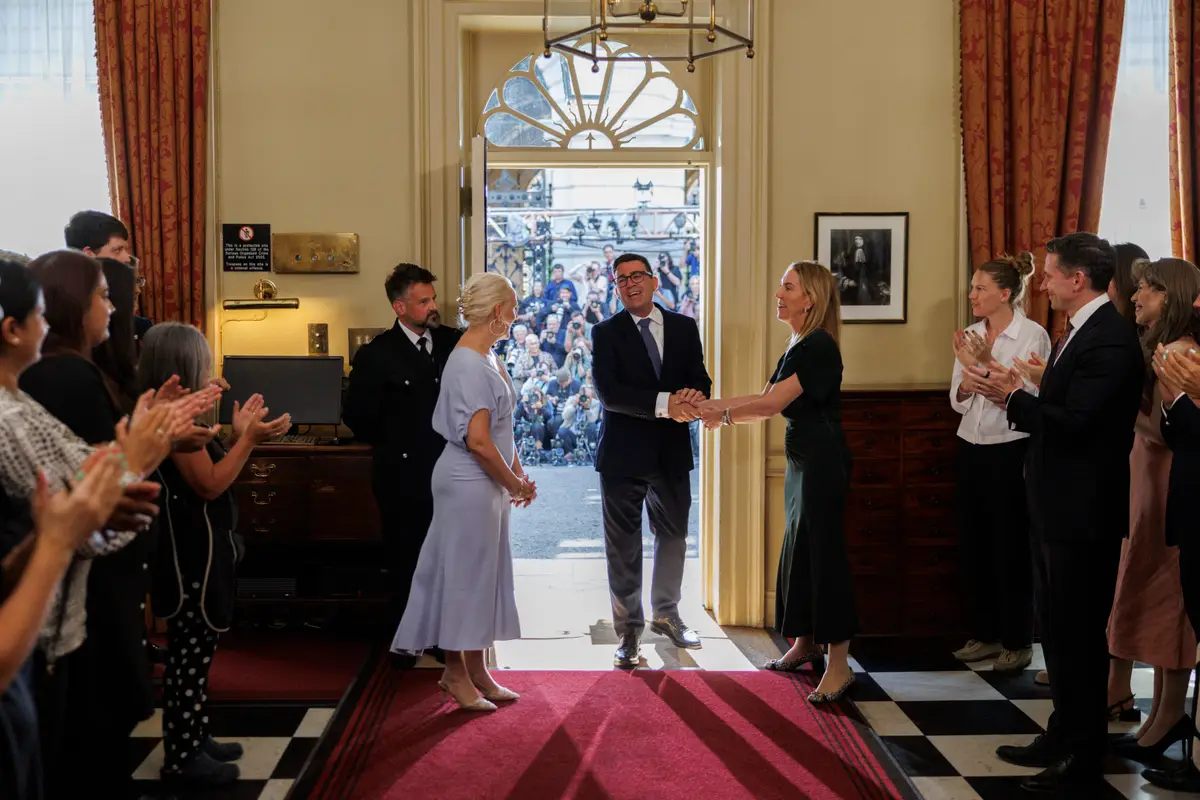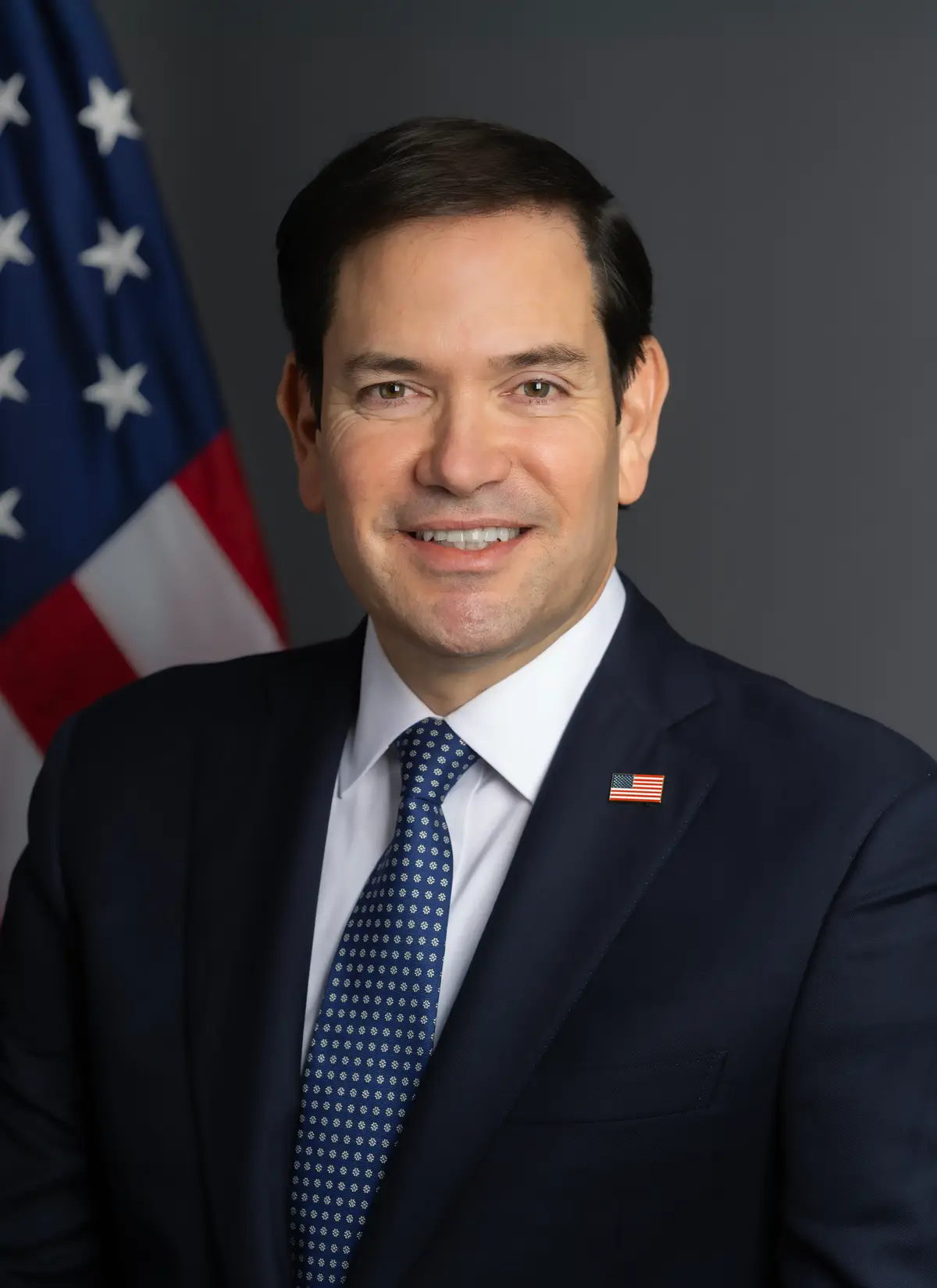
UK Foreign Secretary Ed Miliband met US Secretary of State Marco Rubio in Washington on August 5 for 90 minutes of talks focused on Iran, Ukraine and Gaza. After the meeting, Miliband described the United States as the United Kingdom's closest ally but declined to revisit his criticism of US President Donald Trump from 2016.
Reporters asked Miliband whether he still stood by remarks in which he called Trump an “idiot,” a racist and a misogynist. The PA news agency reported that Miliband did not answer directly, saying instead that the comments had not arisen during the meeting and had not damaged bilateral relations.
Iran and energy security led the agenda
The substantive agenda extended beyond the exchange over Trump's record. A report citing the US State Department said Rubio and Miliband discussed the Iran conflict, defensive support for Ukraine and a two-state solution to the Israeli-Palestinian conflict.
Miliband said efforts to secure a ceasefire involving Iran and reopen the Strait of Hormuz were continuing. He linked safe passage through the strait to fuel and energy costs in the United Kingdom, where disruptions to oil flows can feed into household expenses.
A new foreign secretary manages an old dispute
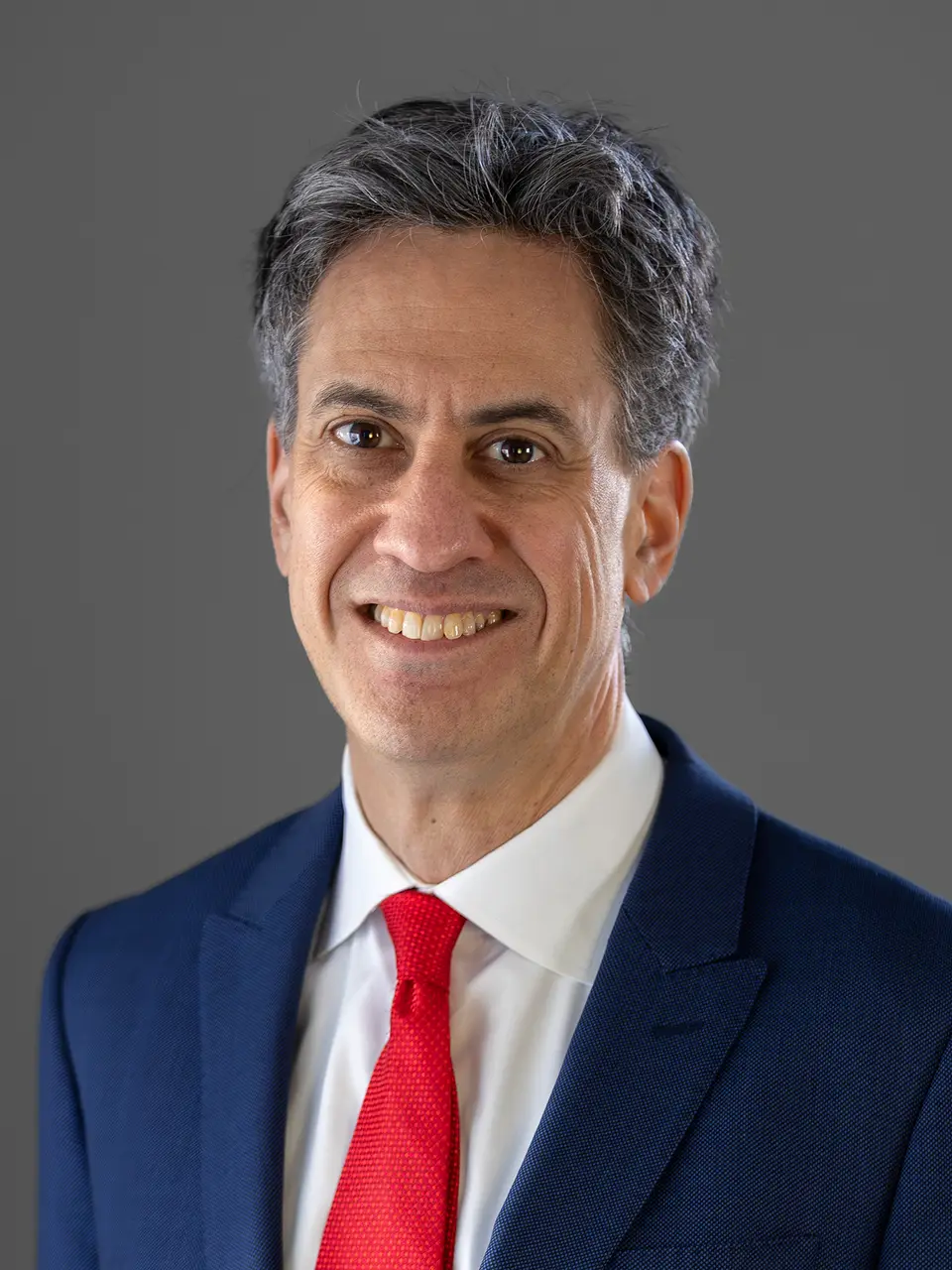
The UK Prime Minister's Office appointed Miliband foreign secretary on July 20, replacing Yvette Cooper in the post. He had served as energy secretary since July 2024, making the Washington meeting one of his first high-profile engagements in the new role.
The earlier dispute had already followed him into the job. US Ambassador to the United Kingdom Warren Stephens had publicly said Miliband was wrong to label Trump a racist and misogynist and expressed hope that Miliband had changed his view, according to PA. Miliband's decision not to withdraw or repeat the remarks kept the press appearance from becoming a new policy dispute, while leaving his current personal assessment unstated.
World Bank duties added a development track
Miliband's Washington schedule also included the World Bank. The UK government named him the country's governor at the World Bank on July 27, giving him senior responsibility for British engagement on development and climate finance.
That role is separate from the day-to-day work of the World Bank's executive directors. It places Miliband on the institution's Board of Governors, where each member country appoints a governor and an alternate governor.
What the meeting did not settle
The public accounts contained no announcement of a ceasefire, a new Ukraine aid package or a bilateral agreement. They established the range of issues discussed and recorded Miliband's description of the alliance, but they did not supply a complete transcript from which to compare the two governments' positions point by point.
The difference between diplomatic language and a policy commitment is central to interpreting the visit. Calling the United States the United Kingdom's closest ally signaled continuity, while the outcome of talks on Iran, Ukraine and Gaza depends on decisions and negotiations extending well beyond one bilateral meeting.
Sources and further reading
- UK and US 'closest allies', says Miliband as he ducks criticism of Trump in DC(Times and Star (PA))The verification environment could not retrieve this page because the publisher blocks automated access.
- Miliband meets Marco Rubio in Washington for productive talks(MercoPress)The verification environment could not retrieve this page, so no inline link is used.
- Ministerial appointments: July 2026(UK Prime Minister's Office)
- UK strengthens commitment to global development as Foreign Secretary becomes UK Governor to the World Bank(UK Foreign, Commonwealth & Development Office)