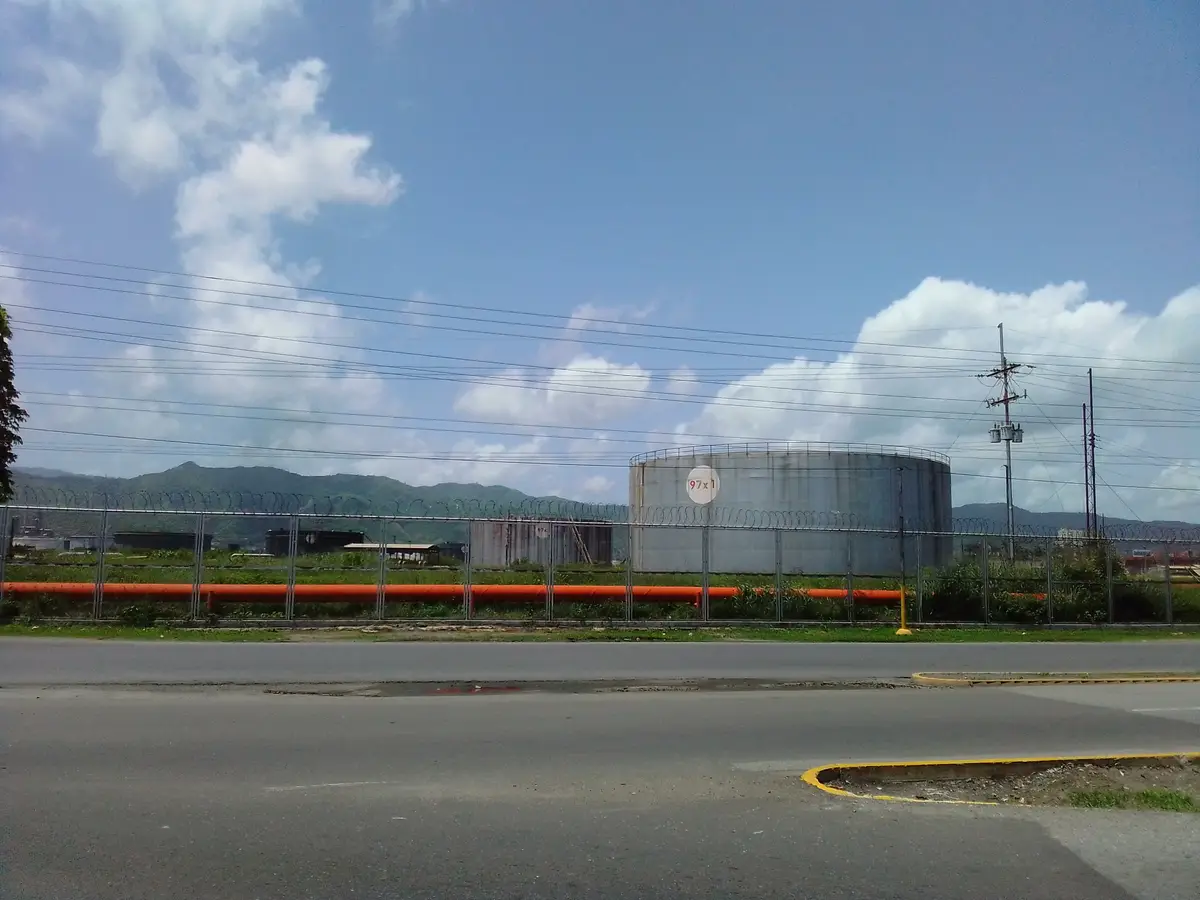
A Financial Times calculation cited by OilPrice.com estimated that US-managed sales of Venezuelan oil had generated more than $13 billion by late July 2026. The report said the estimate had not been matched by a public, transaction-level account of where all the proceeds were held or spent.
US President Donald Trump has presented the revenue as compensation for the January operation that captured Nicolás Maduro. In remarks on April 30, Trump said the operation had been paid for many times over and invoked the phrase “to the victor belong the spoils”. His statement did not provide an accounting of revenue, costs or disbursements.
US policy puts the proceeds in controlled accounts
The arrangement began with an energy deal announced days after Maduro's capture. The US Department of Energy said on January 7 that it would market Venezuelan crude globally, initially sell about 30 million to 50 million barrels and place all proceeds in US-controlled accounts at recognized banks. The department said the US government would decide how to disburse the funds for the stated benefit of people in the United States and Venezuela.
A US executive order issued two days later established the legal position claimed by the administration. The order defines the oil proceeds as sovereign property of Venezuela held by the United States solely in a custodial and governmental capacity and shields them from attachment or other judicial process. It gives the US secretary of state authority to direct transfers and disbursements handled by the US Treasury secretary.
The account structure changed after the first sale
The first publicly described account was outside the United States. US Secretary of State Marco Rubio told the Senate Foreign Relations Committee on January 28 that the account had initially been set up in Qatar to reduce the risk of creditor seizures and address legal complications. He said Venezuela owned the money while US sanctions controlled its release.
By April, lawmakers said US officials had described a different structure. Their correspondence said revenue was then flowing to US Treasury-managed accounts owned by Petróleos de Venezuela, Venezuela's state oil company. The shift does not by itself show that money was lost, but it makes a dated public ledger necessary to trace balances, transfers and authorized spending across the accounts.
Congress sought independent audits
Questions about oversight began before the $13 billion estimate appeared. US senators introduced the Venezuela Oil Proceeds Transparency Act on February 11, seeking a Government Accountability Office audit of the deal, its financial structure and the handling of disbursements. The Congressional Record also quotes Rubio as saying in January that the administration had not finalized the audit process.
The bill's introduction did not itself order an audit. Four Democratic members of the US Congress separately asked the Government Accountability Office in April to examine the agencies and contractors involved, the location and governance of the accounts, disbursement criteria and possible conflicts of interest. Their letter said US officials had given changing descriptions of the accounts and outside audit arrangements.
What remains unverified
The public record supports three separate facts: the United States arranged the sales, US policy placed the proceeds under its control, and outside reporting estimated revenue above $13 billion. It does not provide a government reconciliation tying that estimate to opening balances, sale receipts, investment income, transfers and spending.
US officials have said outside auditors examine the transactions, but APPI News could not find a published KPMG report or a complete government ledger at the time of writing. Without those records, the amount currently held, the amount released to Venezuela and the uses of each disbursement cannot be independently reconciled.
The gap is an accountability issue, not proof that money is missing or was misused. A complete assessment would require dated bank balances, sale contracts, fees, transfer records, disbursement approvals and audit findings, with any legally protected information identified rather than omitted without explanation.
Sources and further reading
- U.S. Sale Of Venezuela’s Oil Hits $13 Billion Since Trump’s Takeover(OilPrice.com)
- FACT SHEET: President Trump is Restoring Prosperity, Safety and Security for the United States and Venezuela(US Department of Energy)
- Safeguarding Venezuelan Oil Revenue for the Good of the American and Venezuelan People(The White House)
- Rubio details how the Trump administration will control Venezuela’s oil money(Associated Press)
- Venezuela Oil Proceeds Transparency Act(US Congress)
- Castro, Casten, Van Hollen, Kaine Demand Transparency from Trump Administration on United States-Venezuela Energy Deal(Office of US Representative Joaquin Castro)
- Remarks During a Document Signing Ceremony and an Exchange With Reporters(The American Presidency Project)