
Three lionesses at Tokyo's Tama Zoological Park died between July 28 and August 2 after several lions became ill during a heat wave. Autopsies found dehydration and multiple organ failure, and zoo officials said heat was the suspected cause rather than a confirmed final finding.
The deaths show that an animal associated with hot climates can still be vulnerable when sustained heat and humidity overwhelm available cooling. The zoo suspended public access to its lion enclosure before the first death and began cooling and treatment.
Three deaths followed a rapid decline
The Associated Press reported that Mugi, a three-year-old female, lost her appetite on July 19, could no longer stand the next day and died on July 28 despite cooling and veterinary treatment. Ichigo, 11, and Luena, 15, died within the following days.
The same report said autopsies found generalized dehydration and multiple organ failure in all three lionesses. Those findings led zoo officials to suspect heat stress, but they do not amount to a published independent determination of cause.
Tama Zoological Park said several lions had suddenly become ill during the heat wave and suspended the lion exhibit and Lion Bus service from July 23 until further notice. The notice establishes when the public closure began; it does not document a final cause for the deaths.
Humidity adds to the thermal load
A review of heat-stress physiology explains that panting supports evaporative heat loss and that relative humidity controls how effectively animals can use evaporation when air temperatures approach or exceed body temperature. Shade, airflow, water and access to a cooler space therefore matter alongside the air temperature.
A peer-reviewed 2007 case report described an African lion that developed panting, hyperthermia and loss of consciousness in hot, humid weather and died with organ damage consistent with acute heatstroke. The report establishes that fatal heat illness can occur in a lion under such conditions, but it cannot prove what caused the three Tama deaths.
Lions in the wild can reduce heat exposure by resting, seeking shade and shifting activity to cooler hours. Animals under human care depend on enclosure design and staff decisions for those options. That makes localized cooling, ventilation and the ability to retreat indoors part of the facility's heat plan.
The deaths came during a wider Japanese heat emergency
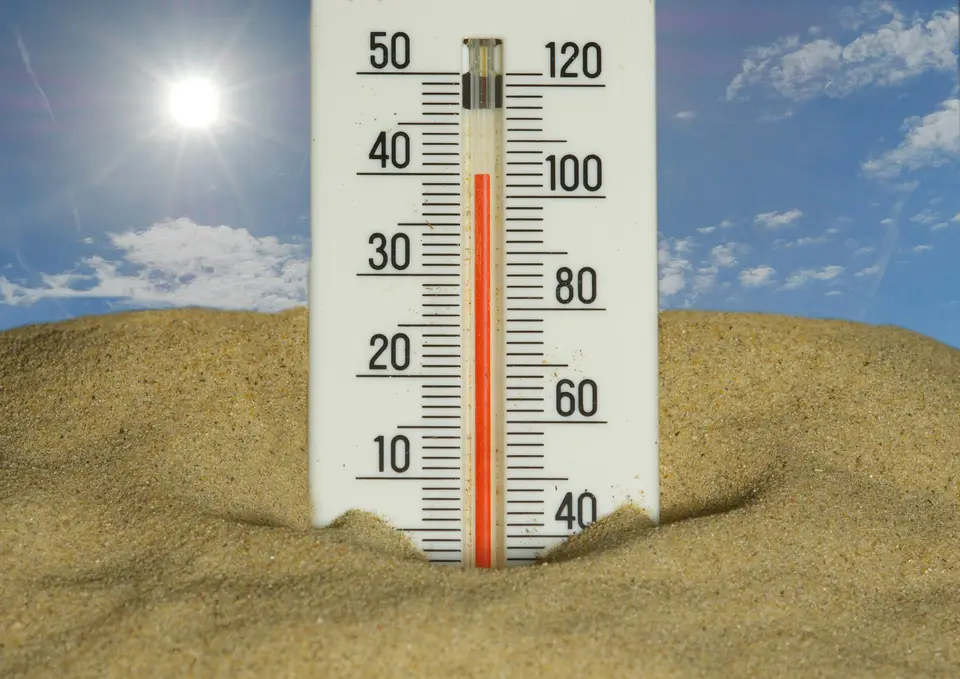
Japan's disaster agency recorded more than 18,000 ambulance transports involving heatstroke symptoms during the week of July 20 to 26. The Associated Press also reported that Japan's environment ministry issued heatstroke alerts across much of western and southern Japan in early August.
Those figures describe the human toll during one week and should not be read as a seasonal total. They provide the weather context in which the zoo's lions became ill, but they do not establish a direct medical link between conditions recorded elsewhere in Japan and the deaths in Tokyo.
Cooling changes are now the immediate test
The zoo used ventilation, sprinklers and veterinary fluids during Mugi's decline, according to the Associated Press. Its public notice kept the lion enclosure closed indefinitely, separating the immediate animal-care response from any decision about reopening the attraction.
The closure can reduce disturbance and allow treatment, but its effectiveness cannot yet be judged from the information published during the incident. APPI News could not find a final independent pathology report or a public technical assessment of the enclosure's cooling capacity at the time of writing.
Sources and further reading
- Record heat wave impacts people and animals in Japan and Korean Peninsula(Associated Press)
- Lion exhibit and Lion Bus service will be suspended(Tama Zoological Park)
- Histopathological findings of sudden death caused by acute heat stroke in an African Lion(Journal of Veterinary Clinics)
- Heat stress: physiology of acclimation and adaptation(Animal Frontiers)