Japan's Ajinomoto Co. said on August 6, 2026, that sales of Ajinomoto Build-up Film (ABF) remained strong for high-performance boards used in AI systems, servers and networks. A June 30 briefing by its electronic-materials subsidiary, Ajinomoto Fine-Techno Co., said the company had no concerns about its current supply chain overall.
Those disclosures predate an August 20 claim cited by the source report that some customers in China could receive roughly 30 percent less ABF. APPI News could not find an Ajinomoto release or investor filing that confirmed the customer group, percentage or timing as of August 23, 2026.
The distinction matters because ABF is embedded in the manufacturing process for high-end processor substrates. A real shortage would first affect qualified film grades and substrate output, while an unverified allocation claim cannot be converted directly into chip delays or new orders for another supplier.
ABF is the film, not the substrate
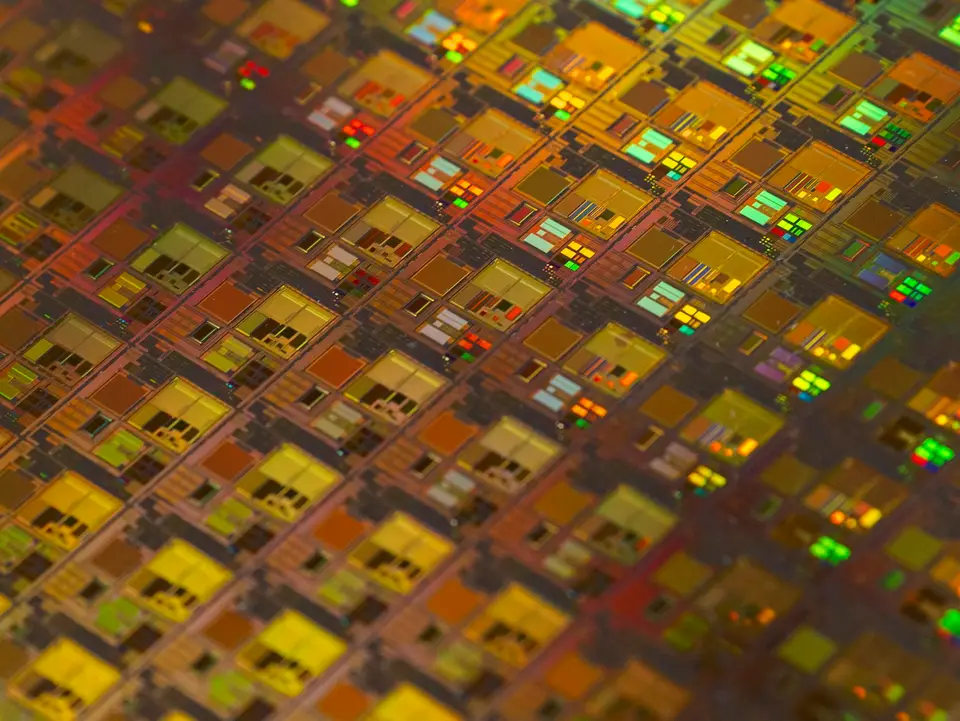
An ABF substrate is a multilayer package substrate built with ABF between its copper routing layers. Ajinomoto Fine-Techno describes ABF as an insulation film that is laminated onto a substrate before wiring is formed through later processes.
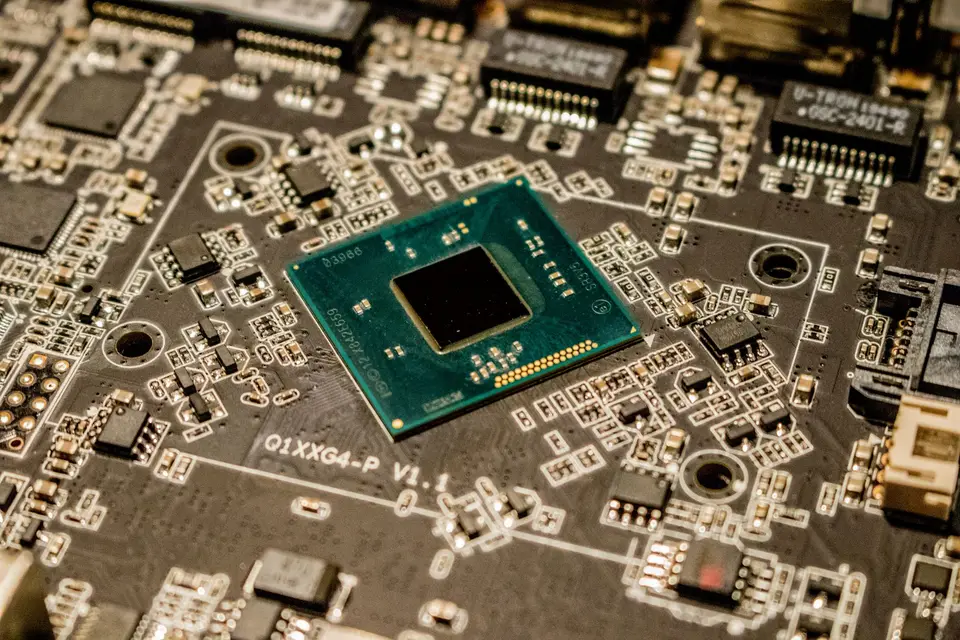
The substrate sits between a semiconductor die and the main circuit board, spreading a dense set of chip connections across a larger area. Taiwan-based Kinsus Interconnect Technology says flip-chip ball-grid-array substrates serve high-pin-count microprocessors, graphics processors, application-specific integrated circuits and field-programmable gate arrays.
Ajinomoto says ABF combines epoxy resin, a hardener and inorganic microparticle filler in a thermosetting film whose surface supports laser processing and direct copper plating, and it dates the film's first adoption by a major semiconductor maker to 1999. Those are the supplier's own material and product-history claims.
Market share and qualification make substitution slow
Ajinomoto Fine-Techno puts ABF's share near 100 percent in the insulation-film market for major personal computers worldwide. Its June 30 briefing separately claimed more than 95 percent of what it called ABF's market, but neither disclosure identifies the competing suppliers or publishes a measurement method.
Ajinomoto says ABF is custom-manufactured for each customer and shows development moving from laboratory work through customer evaluation before mass production. That disclosure supports an inference, rather than a published lead-time estimate, that changing film requires a customer to requalify the material and process.
A package-substrate maker must control lamination, laser-drilled vias, copper plating, fine routing, warpage and reliability for the selected film grade. A material with similar specifications is therefore not an interchangeable production source until it passes those manufacturing and customer checks.

The supply chain has more than one capacity point
Ajinomoto Fine-Techno says it makes ABF varnish internally at plants in Kawasaki and Gunma, Japan, while contractors coat and cut the film, store it frozen and ship it. Capacity can therefore tighten in raw materials, varnish production, film conversion, cold storage, logistics or substrate fabrication.
The same briefing says a new varnish plant at Gunma entered full operation in 2025 and that the company plans staged production increases through 2030. Ajinomoto also plans to begin building a third production base in Gifu, Japan, in 2028 and start operations there in 2032.
Those projects show that Ajinomoto expects demand to keep growing, but they do not establish a current shortage. The company does not publish monthly output for each production step, and the planned Gifu site cannot relieve a near-term constraint.
Taiwan's substrate makers sit downstream of the film
Taiwan-based Kinsus and Nan Ya Printed Circuit Board Corp. manufacture package substrates, placing them after the film supplier in this chain. Kinsus lists fine-pitch patterns and high layer counts among the features of its flip-chip ball-grid-array substrates, but the page does not describe Kinsus as an ABF film producer.
Nan Ya PCB's published roadmap lists a 24-layer ABF substrate target for 2026 and more than 24 layers for the first half of 2027. A development roadmap does not show how much qualified capacity is available for a particular customer or whether a product has entered volume production.
Neither company's official page establishes that it received orders because of a cut by Ajinomoto. APPI News also could not verify the source report's claims about validation and small-volume shipments by a Taiwan-based alternative-film supplier in an English-language primary disclosure, so no replacement-film company is identified here.

A real shortfall would move through several gates
An actual film shortfall would reach substrate makers before chip assembly and server production. Its effect would depend on film inventories, the grades allocated to each customer, the amount used per substrate, manufacturing yield and the qualified substrate capacity available for each chip.
Ajinomoto says larger, more highly layered AI package substrates consume more ABF per unit than earlier computer packages. That raises material exposure, but a percentage change in film allocation still cannot be mapped one-for-one to processor shipments because package designs and inventories differ.
The evidence to watch is a named company disclosure that identifies the affected grade, customer group and period, followed by substrate makers reporting changes in qualified output or delivery schedules. None of those details was available in Ajinomoto's public English materials at the time of writing.
Frequently asked questions
Are ABF film and an ABF substrate the same product?
No. ABF is the insulating film placed between copper routing layers, while an ABF substrate is the completed multilayer structure that connects a chip package to a circuit board.
Has Ajinomoto confirmed a 30 percent supply cut in China?
APPI News could not find an Ajinomoto release or investor filing confirming that claim as of August 23, 2026. The company's June 30 supply statement and August 6 sales update came before the reported August 20 claim, so they do not disprove a later customer-specific change.
Why can a substrate maker not switch film immediately?
Ajinomoto says it develops customer-specific ABF and includes customer evaluation before mass production. A replacement has to work with lamination, laser drilling, plating, fine routing and package-reliability requirements before it can enter qualified production.
Do Taiwan's substrate makers automatically benefit from an ABF shortage?
No. Their ability to make large, highly layered substrates does not prove that they have spare qualified capacity or access to an interchangeable film, and no official disclosure confirms new orders tied to the reported cut.
Sources and further reading
- Forecast for FY2026 and Initiatives for Enhancing Corporate Value(Ajinomoto Co., Inc.)
- Growth Strategy for the Electronic Materials Business(Ajinomoto Co., Inc.)
- Ajinomoto Build-up Film product information(Ajinomoto Fine-Techno Co., Inc.)
- Ajinomoto Build-up Film innovation story(Ajinomoto Group)
- Ajinomoto and Ajinomoto Fine-Techno acquire new plant site(Ajinomoto Co., Inc.)
- FCBGA substrate(Kinsus Interconnect Technology Corp.)
- ABF Substrate Technology Roadmap(Nan Ya Printed Circuit Board Corp.)