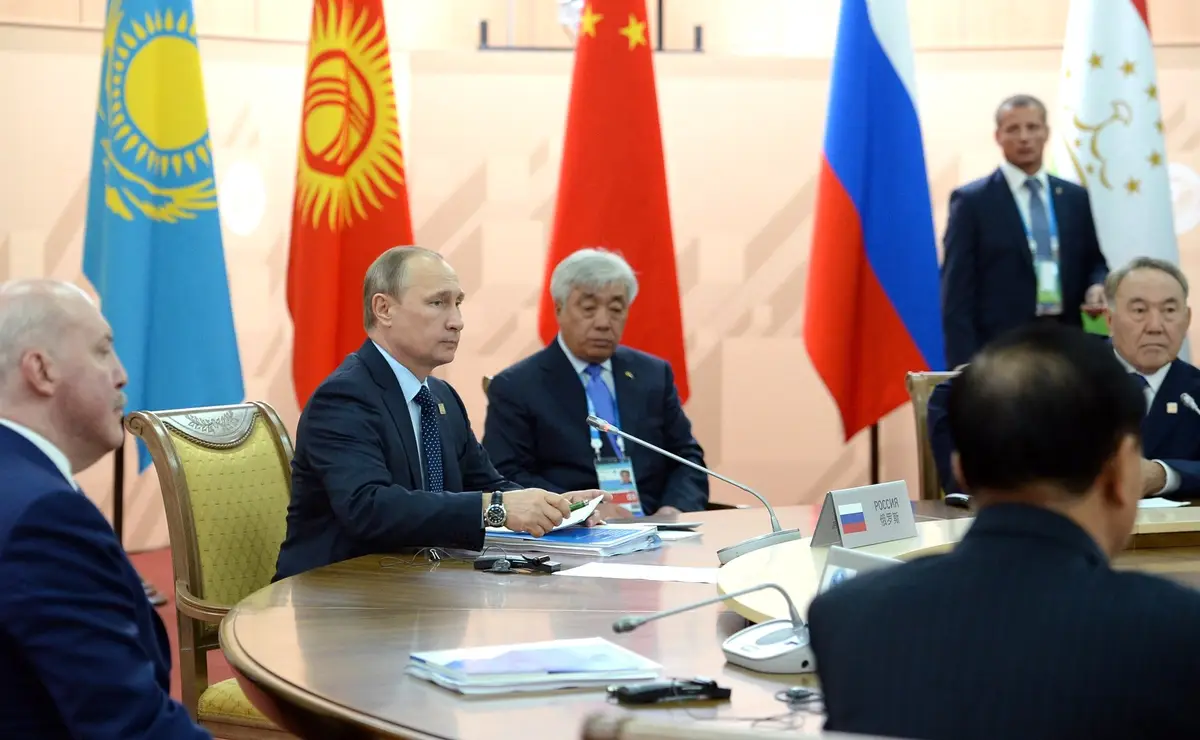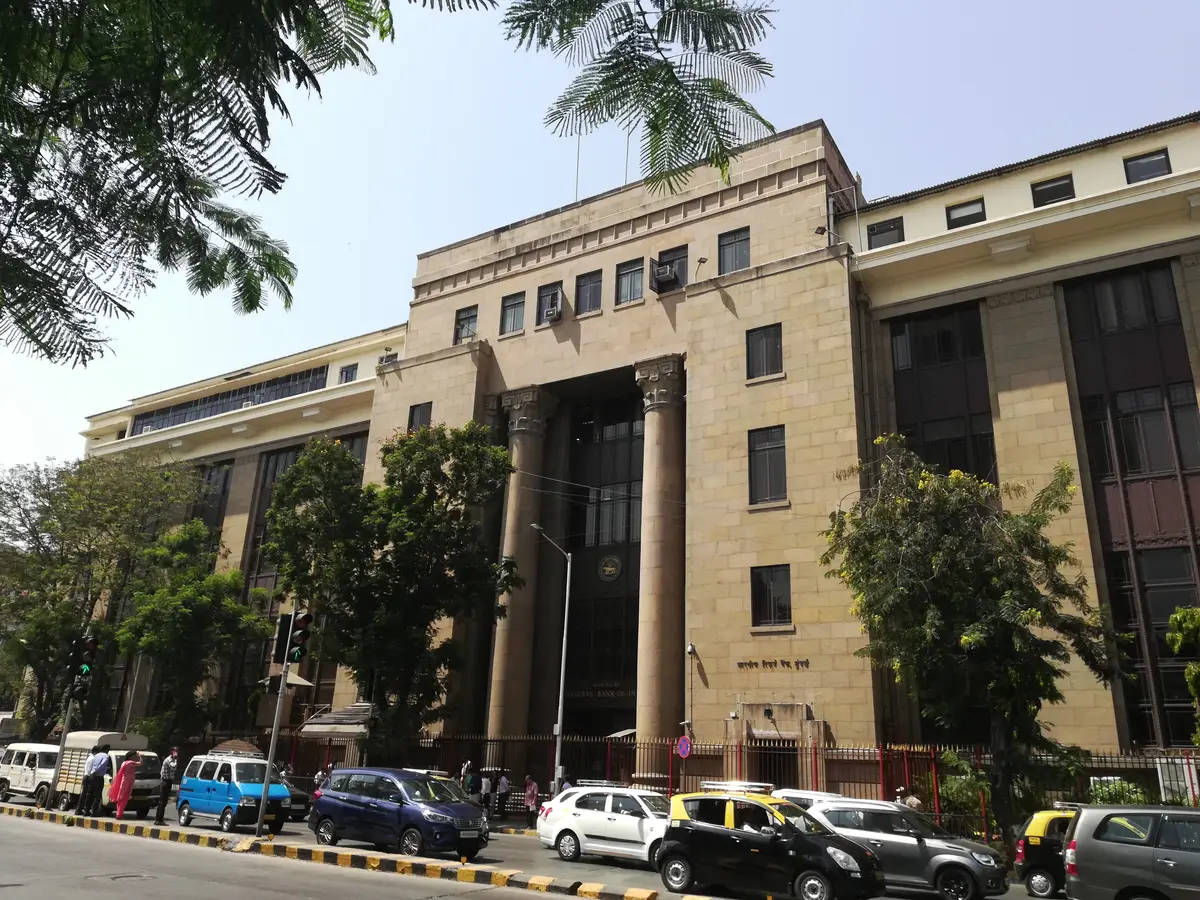
BRICS finance ministers and central bank governors met in Jaipur, India, on August 12 and 13, 2026, as the bloc considered links among national payment systems. Iran said it would soon join the New Development Bank (NDB), but the lender’s public membership list does not include it.
India’s Finance Minister Nirmala Sitharaman and Reserve Bank of India (RBI) Governor Sanjay Malhotra co-chaired the Jaipur session. Malhotra had said that BRICS members were discussing links between fast payment systems and central bank digital currencies (CBDCs), while describing the work as still being at the discussion stage. The public proposal concerns interoperability among separate national systems, not a newly launched common currency.
Payment discussions predate the Jaipur meeting
The August talks extend work that BRICS leaders assigned to finance officials last year. The 2025 Rio de Janeiro Declaration instructed finance ministers and central bank governors to continue the BRICS Cross-Border Payments Initiative and examine greater interoperability among members’ payment systems. The declaration called for faster, cheaper and safer transfers, but it did not commit members to one platform or set a launch date.
Malhotra’s August remarks put fast-payment links and CBDCs among the options under review. Public materials do not identify which central banks have committed to a network, what architecture they would use, how currencies would be converted or when a pilot might start. APPI News could not find a joint Jaipur statement resolving those questions at the time of writing.

Interoperability requires common operating rules
Connecting payment systems involves more than a technical interface. The Bank for International Settlements identifies legal structure, ownership, operational design, governance and regulatory oversight as core decisions for cross-border fast-payment links. Each participating authority would have to agree on who runs the connection and which body handles failures or disputes.
CBDC links add another set of choices. An International Monetary Fund framework divides cross-border CBDC design into access, communication, currency conversion, compliance and settlement. The published BRICS proposal does not yet specify those arrangements, so a discussion about lower costs cannot be read as evidence that a working network is close to launch.
Iran’s claim has no public NDB confirmation
Iranian central bank Governor Abdolnaser Hemmati said Iran was set to join the NDB in the near future, according to an August 12 report that cited Iran’s semi-official Tasnim News Agency. Hemmati also linked the move to wider monetary, banking and digital-economy cooperation with India.
The bank has not announced Iran’s admission. The NDB’s public list names 10 full members and five prospective members, but Iran appears in neither group. An absent listing does not show whether private talks are taking place; it means Hemmati’s statement is not yet matched by a published decision from the bank.
Zimbabwe has cleared one step, not the full process
The same NDB list places Zimbabwe alongside Uruguay, Colombia, Ethiopia and Angola as prospective members. The bank says countries in that category have been admitted by its Board of Governors, but they become full members only after depositing an instrument of accession. It does not give a deposit date for Zimbabwe.
Full membership would open a route to seek NDB financing, but it would not approve a loan by itself. The bank describes its project cycle as running from conception through Board approval, implementation and closure. Zimbabwe would still need eligible projects to pass that process after its membership takes effect.
The US$100 billion figure is authorized capital
Brazil, Russia, India, China and South Africa established the NDB in 2015 to finance infrastructure and sustainable development in emerging markets and developing countries. Its headquarters is in Shanghai, and the bank began expanding beyond the five founders in 2021.
The frequently cited US$100 billion figure is the bank’s initial authorized capital, not cash available for immediate lending. The NDB’s June 2026 investor presentation reports US$50 billion in initial subscribed capital and US$10 billion in initial paid-in capital; subscribed capital stood at US$53.3 billion at the end of 2025.
The same presentation reported US$35.6 billion in total assets and US$21.6 billion in loans and advances at the end of 2025. It also said the Board had approved about US$43.0 billion across 139 projects by that date. Those balance-sheet and project figures provide a clearer measure of the bank’s operating scale than authorized capital alone.
The next verifiable milestones
A payment plan would become more concrete if BRICS publishes a participant list, technical model, governance rules and pilot schedule. Until then, the proposal remains a policy discussion rather than an operating cross-border network.
For Iran, the next formal step would be an NDB admission notice or its addition to the prospective-member list. For Zimbabwe, full membership begins only when the bank records its accession instrument; access to financing would then depend on separate project approvals.
Sources and further reading
- India, China, South Africa, Russia and Brazil discuss a major financial shift that could reshape global payments(Business Insider Africa)
- Iran to become member of BRICS Bank, increasing economic cooperation, trade - report(The Jerusalem Post)
- Members(New Development Bank)
- History(New Development Bank)
- New Development Bank investor presentation, June 2026(New Development Bank)
- Rio de Janeiro Declaration(The Presidency of South Africa)
- Linking fast payment systems across borders: governance and oversight(Bank for International Settlements)
- Cross-Border Payments with Retail Central Bank Digital Currencies: Design and Policy Considerations(International Monetary Fund)
- Ongoing Evaluations(New Development Bank)