Nigeria's Independent National Electoral Commission (INEC) declared Ademola Adeleke re-elected governor of Osun State on August 16, 2026, a day after voting. INEC returning officer Joshua Ogunwole said the Accord candidate received 511,067 votes, defeating All Progressives Congress challenger Bola Oyebamiji by 66,252 votes.
Adeleke led in 19 of the state's 30 local government areas, while Oyebamiji led in 11; African Democratic Congress candidate Najeem Salaam finished third with 14,989 votes. The declaration followed an election day marked by a reported disturbance at a polling unit in Ejigbo and separate complaints about voter accreditation and inducements.
Violence was reported at an Ejigbo polling unit
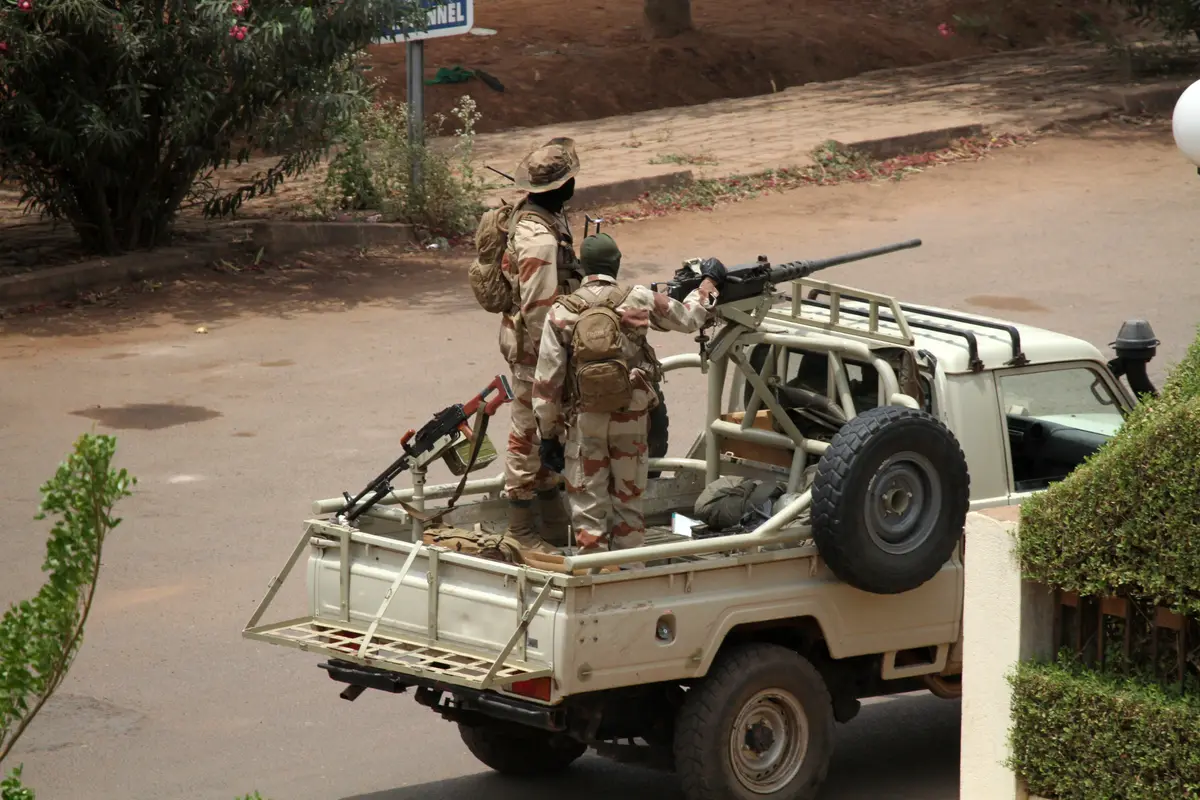
A Vanguard election-day dispatch reported that a disturbance began at Polling Unit 003 in Ward 004 at the Iroyin Ayo Open Space shortly after Salaam voted. Election workers, observers and journalists left the site, and security personnel escorted Salaam away.
The report said voting paused and later resumed after Nigeria's Department of State Services, the country's domestic intelligence agency, and the Nigeria Security and Civil Defence Corps, a federal paramilitary service, arrived. It did not identify the cause or report an official casualty count. APPI News could not find a public statement from INEC or the Nigeria Police Force confirming the incident.
Accreditation complaints were not quantified statewide
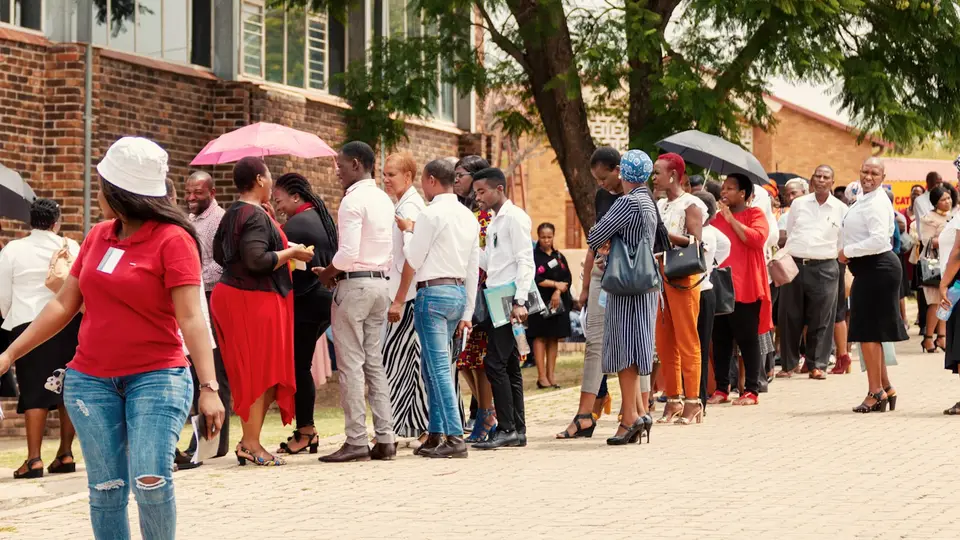
A Daily Post Nigeria live report described Bimodal Voter Accreditation System (BVAS) malfunctions at several polling units, allegations of vote buying and intimidation, and voters in Osogbo who said their names were missing from the register. These were reports from individual locations; INEC had not published a statewide count of equipment failures or complaints in the material APPI News reviewed.
Before the election, INEC said it would deploy 3,763 BVAS devices for voter accreditation and authentication, plus 664 backup units, and use the devices to upload polling-unit results to its public result-viewing portal. A failure at one site does not establish how many voters were affected or whether voting later resumed there.
A Leadership report quoted Nigeria Police Force Commissioner Erale Samuel Etaifo as saying police had detained about 100 people from neighboring Ondo and Ekiti states during the previous month on suspicion of planning disruption. The report said no one had been arrested over the Ejigbo disturbance at that point; APPI News could not find a public police release listing the detainees, charges or case numbers.
More than 2.3 million people were registered
INEC said 2,339,233 voters were registered across 3,763 polling units in Osun's 30 local government areas. Registered-voter totals show the scale of the operation, but they are not turnout figures and do not indicate how many people encountered accreditation problems.
The reported complaints followed months of concern about election security. A civil-society Election Observation Hub classified 13 of Osun's 30 local government areas as high-risk in July, citing politically motivated killings, attacks and heightened tension.
The Nigeria Police Force said in early July that it was investigating 30 suspected politically motivated killings linked to the election buildup and that several suspects had been arrested. Police did not disclose identities or details of the cases while investigations and court proceedings were continuing.
A court ruling moved Osun outside Nigeria's general-election cycle
Osun elects its governor separately from most Nigerian states. CDD Fact Check traced the separate calendar to the disputed 2007 election, after an appellate court declared Rauf Aregbesola the rightful winner in 2010.
The delayed transfer of office shifted the four-year governorship cycle away from Nigeria's general elections. The same explainer identified seven other states with separate calendars created after deaths, resignations, impeachments or court decisions changed when a term began.
INEC's August 16 declaration settled the winner and the final vote margin. It did not establish what caused the reported Ejigbo disturbance, whether anyone was injured there or how widespread the reported accreditation and inducement problems were; those questions require incident-level statements or investigations from Nigerian authorities.
Sources and further reading
- INEC declares Adeleke winner of Osun guber poll(The Guardian Nigeria)
- Adeleke wins 19 LGs, APC's Oyebamiji secures 11 LGs(Punch)
- INEC extends PVC collection, says violence won't decide Osun poll(Punch)
- Osun 2026: We'll be waiting for voters at polling units — REC(Vanguard)
- Guber polls: EU-backed CSOs list 13 Osun LGs as flashpoints(The Guardian Nigeria)
- Police confirm probing 30 political killings ahead of Osun guber polls(The Guardian Nigeria)
- All you need to know about off-cycle elections in Nigeria(CDD Fact Check)