The Electoral Commission of Zambia (ECZ) restarted vote counting on August 14, 2026, hours after suspending the national count because it said poll workers had been attacked and marked ballot papers stolen. Commission chair Mwangala Zaloumis said the security threat had been contained and that the violence affected a small number of polling stations in Lusaka.
The Associated Press reported that counting resumed under heightened security after police said a party official had been killed at a polling station during the August 13 vote and nine suspects had been arrested. Soldiers and riot police were deployed around parts of the capital, including the National Results Centre, but there were no immediate reports of major unrest.
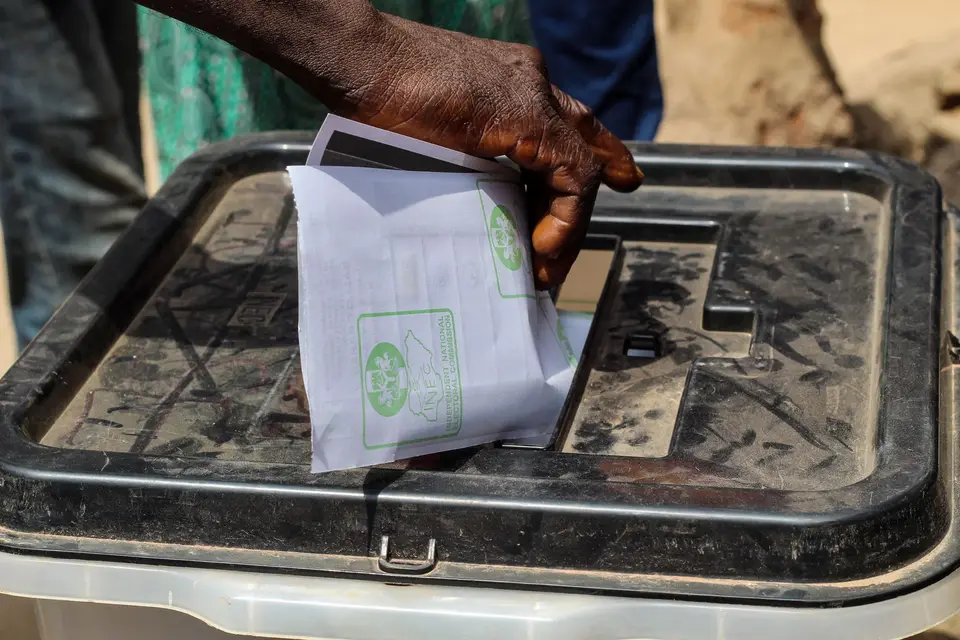
A national pause followed local attacks
The ECZ said the attacks targeted election staff and in some cases led to marked ballots being taken from ballot boxes. Its initial announcement did not identify the perpetrators, the affected polling stations or the number of missing ballots.
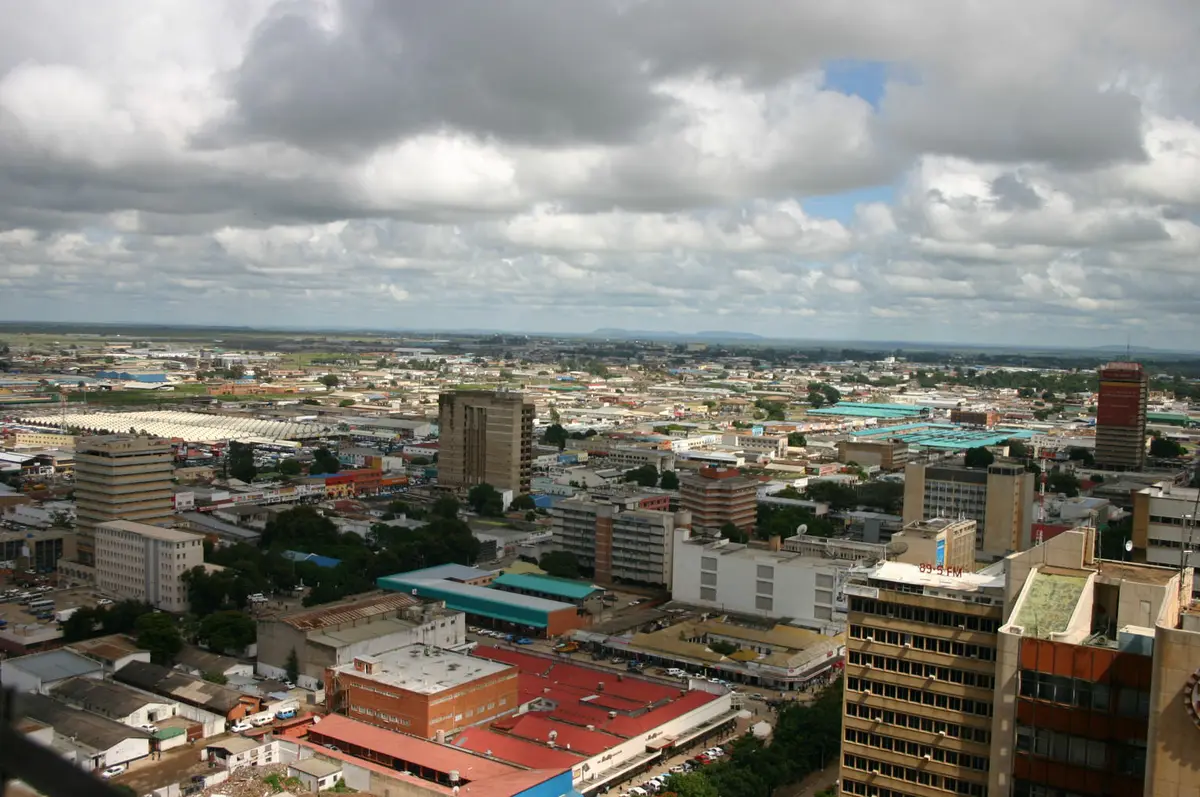
Zaloumis later narrowed the reported location to a small number of polling stations in Lusaka and announced that counting could resume after consultations with law enforcement. APPI News could not find published copies of either August 14 statement on the ECZ website, so the chronology relies on AP's account of the commission's briefings.
Opposition allegations remain unsubstantiated
Opposition candidate Brian Mundubile said soldiers had taken control of counting stations in at least one town and that ballot boxes had been removed from polling stations elsewhere, but he offered no evidence. He argued that the pause could create an opportunity to interfere with the results.
President Hakainde Hichilema, who was seeking a second five-year term, called for peace and patience while the country awaited the official outcome. Hichilema was one of 14 presidential candidates, while Mundubile led the main opposition alliance.
Ballots are counted before results reach the capital
The ECZ's published procedure says polling officers count ballots at each station in the presence of accredited party agents, monitors and observers. The agents and observers are asked to sign the result form, copies go to accredited participants, and one copy is posted outside the station.
Returning officers then total polling-station results at constituency centers, while presidential figures are transmitted to the National Results Centre in Lusaka. This chain makes the precise location and number of any stolen ballots relevant to assessing the disruption, but the ECZ had not released those details at the time of writing.
The official timetable still pointed to August 17
The commission's final register listed 8,786,300 voters at 13,529 polling stations in 226 constituencies. Voters chose a president, members of Parliament and local council representatives on August 13.
The ECZ timetable scheduled the receipt and verification of results for August 15 through August 17 and the declaration of election results for August 17. The restart kept that timetable possible, but it did not guarantee that the commission would meet it.
Zambia has held largely peaceful elections and transfers of power since returning to multiparty democracy in 1991, and Hichilema defeated then-President Edgar Lungu in 2021. The handling of the latest count is another test of public confidence in that record.
Sources and further reading
- Zambia suspends then restarts vote counting after reports of violence and ballot papers theft(Associated Press)
- Registered voters per polling station 2026(Electoral Commission of Zambia)
- Voting Day Activities(Electoral Commission of Zambia)
- 2026 Elections Timetable(Electoral Commission of Zambia)