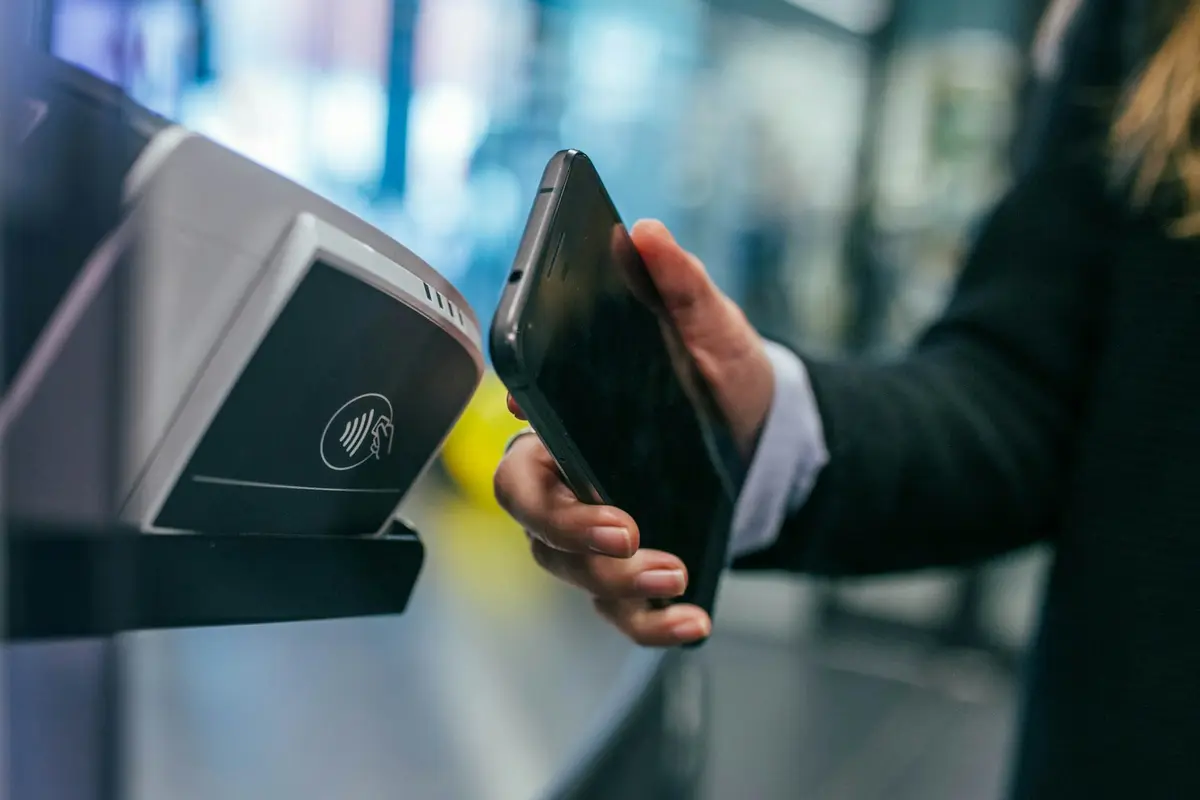
The launches reconnect specific acquiring banks and approved merchants to the global card networks. They do not mean that every internationally issued card will be accepted across Syria or that the country's banks have fully restored foreign correspondent relationships.
Visa tested a live transaction through Fransabank and Paymera
An acquiring institution handles the merchant side of a card payment and connects it to the card network. Visa's announcement demonstrates that this route processed a live transaction, but it does not give a merchant count, coverage area or list of issuing banks whose cards can be used.
Mastercard and QNB completed an approved merchant transaction
The transaction shows that the connected Mastercard route processed a point-of-sale payment at one approved merchant. Mastercard's release does not publish a national rollout date, the number of participating merchants or transaction-volume data.
Merchant acceptance will expand in phases
APPI News could not find public data on the number or location of live terminals or a list of issuing banks that support transactions in Syria at the time of writing. The published material also does not establish whether cash withdrawals, online payments or cards issued in every market are supported.
US policy removed one barrier but retained targeted sanctions
The US State Department rescinded Syria's designation as a State Sponsor of Terrorism on August 24. The decision removed a country-level measure that had increased legal and compliance risks for banks, but it did not eliminate separate list-based sanctions.
Removing the countrywide measures therefore does not eliminate checks against blocked people and entities. The US changes also do not determine the laws, bank controls or card-issuer policies that apply in every other country.
Nationwide availability remains unverified
The public evidence supports a narrow conclusion: each network processed a live international transaction through a specified local route. It does not show that international cards now work at most Syrian merchants or that service will be continuous.
The next measurable steps would be published merchant numbers, geographic coverage, supported transaction types and a timetable for restoring correspondent banking links. None of the companies or Syrian authorities cited in this report had published all of those details at the time of writing.
Sources and further reading
- Visa Announces International Card Payment in Syria(Visa)
- Syria marks first international card transaction in more than 15 years with Mastercard and QNB Group(Mastercard)
- Visa, Mastercard launch international card payments in Syria after US lifts terrorism designation(Reuters / Gulf Times)
- Treasury and State Departments Deliver Additional Sanctions Relief on Syria(US Department of the Treasury)
- Promoting Accountability for Assad and Regional Stabilization Sanctions(US Department of the Treasury, Office of Foreign Assets Control)