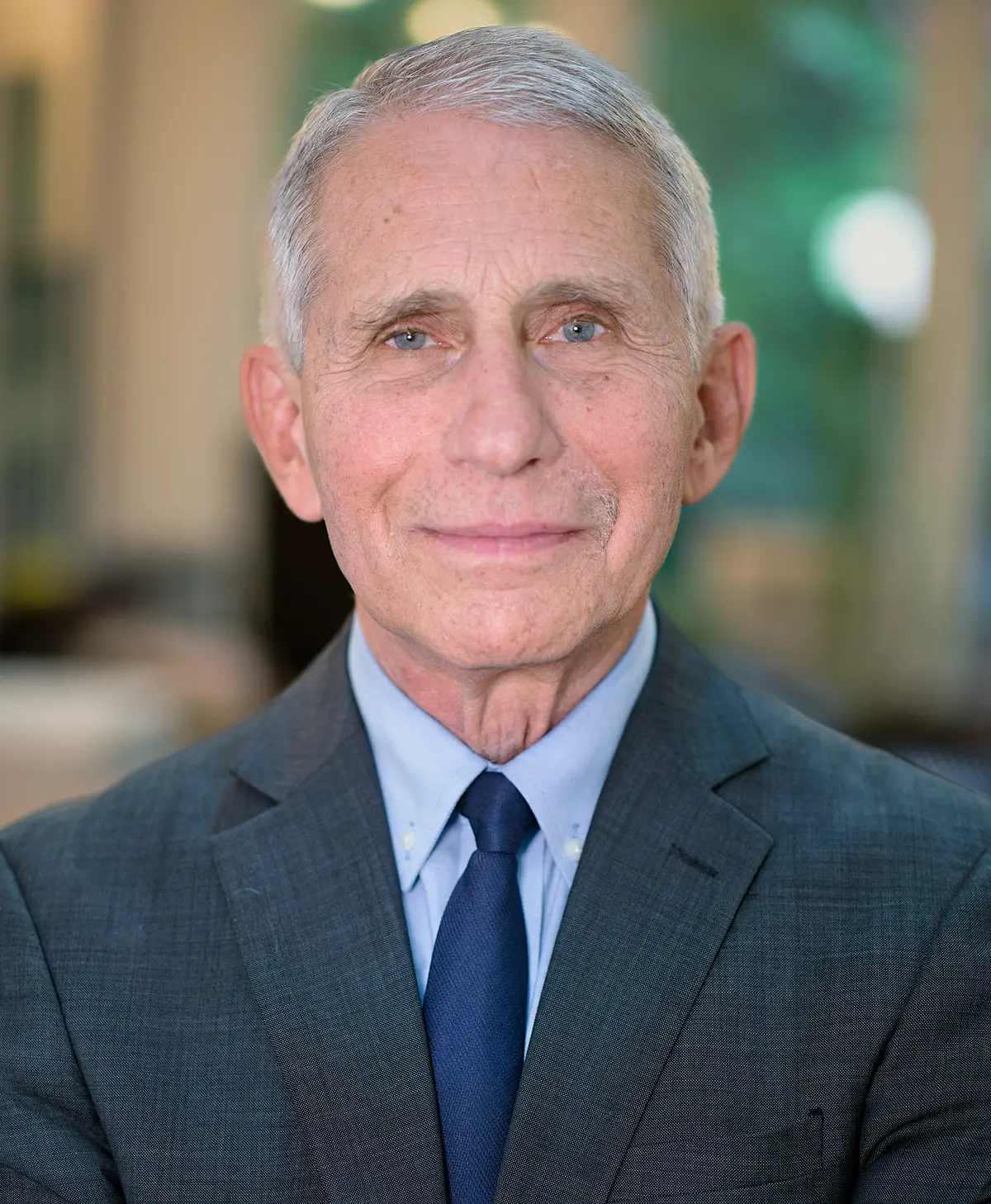
The US Department of Justice is reviewing a contempt referral against Anthony Fauci after a Senate committee voted 8-5 on August 6 to cite the former federal health official for refusing to answer questions about the COVID-19 response. The vote opened an unresolved legal dispute over whether Fauci's 2025 presidential pardon removed the risk of prosecution that he cited when invoking the Fifth Amendment.
The Associated Press reported that the US Senate Committee on Homeland Security and Governmental Affairs approved the contempt resolution along party lines and that the Justice Department later confirmed receiving the referral. Approval by the committee does not amount to a criminal charge, and the referral does not compel federal prosecutors to investigate or prosecute Fauci.
Fauci invoked the Fifth Amendment more than 100 times
The committee vote followed Fauci's July 29 appearance under subpoena. He invoked the US Constitution's Fifth Amendment protection against compelled self-incrimination more than 100 times rather than answer questions about the federal pandemic response and the origins of SARS-CoV-2, the virus that causes COVID-19.
Republican Senator Rand Paul of Kentucky, the committee's chair, argued that Fauci faced no federal exposure for conduct covered by the pardon and therefore lacked a valid basis to refuse answers. Fauci said before the hearing that Paul's repeated calls for his prosecution gave him reason to fear that any statement could be used to pursue a new case.
Legal specialists interviewed by the Associated Press said the pardon did not settle the privilege question because it could not protect Fauci from a state prosecution or a federal case based on testimony given after the pardon. The specialists described the dispute as dependent on whether Fauci had a reasonable basis to fear prosecution, not simply on whether a pardon existed.
The pardon covered a defined period and set of federal acts
The US Department of Justice's clemency register says President Joe Biden pardoned Fauci for federal offenses he may have committed from January 1, 2014, through January 19, 2025, when they arose from specified government roles. Those roles included directing the US National Institute of Allergy and Infectious Diseases, serving on White House coronavirus response groups and acting as chief medical adviser to the president.
The pardon did not cover conduct after January 19, 2025. That distinction matters because a false statement or perjury allegation arising from the July 2026 hearing would concern later conduct. It also did not eliminate possible exposure under state law, since a US presidential pardon applies only to federal offenses.
Paul treated the pardon as removing any legitimate fear of prosecution over Fauci's earlier government service. Fauci's lawyers argued that the hearing itself created exposure to a new false-statement or perjury investigation and called the contempt vote an attempt to punish him for exercising a constitutional right. No court had ruled on whether his refusal to answer was protected in these circumstances at the time of writing.
The direct referral bypasses a full Senate vote
Paul moved to send the committee resolution directly to the US attorney for the District of Columbia rather than seek approval from the full Senate. Gary Peters of Michigan, the committee's leading Democrat, questioned whether that route was legally valid and warned that penalizing a witness for invoking the Fifth Amendment could impede future congressional oversight.
The procedural dispute remains open. A conventional criminal-contempt process proceeds from a committee to its parent chamber before certification to a federal prosecutor, but congressional committees and lawmakers may also send information to law enforcement as a referral. In either case, the executive branch retains discretion over investigation and prosecution.
COVID-19 origins remain part of the political conflict
Paul's inquiry revisited claims about the origin of SARS-CoV-2 and Fauci's role in the US pandemic response. Paul and other Republicans have argued that a laboratory-related event in Wuhan, China, deserves greater weight and have accused Fauci of minimizing that possibility. Fauci has denied misleading Congress and has pointed to scientific evidence supporting animal-to-human transmission.
A 2025 assessment by the World Health Organization's 27-member Scientific Advisory Group for the Origins of Novel Pathogens said the weight of available evidence suggests zoonotic spillover, while warning that data needed to assess every hypothesis remain unavailable. The WHO said animal spillover and a laboratory-related event should both remain under consideration and asked China to provide early patient sequences, market-animal information and details about work and biosafety conditions at Wuhan laboratories.
The scientific assessment does not resolve whether Fauci lawfully invoked the Fifth Amendment or whether the committee followed a valid referral procedure. Those are questions of US constitutional and criminal procedure that would require action by prosecutors and, if charges were filed, review by a court.
Frequently asked questions
What did the Senate committee decide?
The committee voted 8-5 to hold Fauci in contempt of Congress and sent the matter to the US Department of Justice. The vote did not charge or convict him of a crime.
Why did Fauci invoke the Fifth Amendment?
He said he feared that answers at the hearing could expose him to prosecution, particularly over allegations involving statements made after his 2025 pardon. Paul argued that the pardon had removed any valid fear concerning Fauci's earlier federal service.
What did Biden's pardon cover?
It covered specified federal offenses connected to Fauci's government service from January 1, 2014, through January 19, 2025. It did not cover later conduct or offenses under state law.
Will the Justice Department prosecute Fauci?
The department confirmed that it received the referral, but it had not announced charges. Federal prosecutors are not required to act on a congressional referral.
Sources and further reading
- Senate committee votes to hold Fauci in contempt for refusing to answer COVID questions(Associated Press)
- Fauci's decision to invoke the Fifth Amendment tees up a legal debate and a contempt vote(Associated Press)
- Pardons Granted by President Joseph Biden (2021-2025)(US Department of Justice)
- WHO scientific advisory group issues report on origins of COVID-19(World Health Organization)