The US Centers for Disease Control and Prevention (CDC) advises drying flooded homes within 24 to 48 hours to limit mold growth. The World Health Organization (WHO) links persistent indoor dampness with respiratory symptoms, allergies and asthma, while safe cleanup depends on exposure risk and the materials affected.
WHO's 2009 review found higher rates of respiratory symptoms, allergies and asthma in damp or moldy buildings and identified the prevention of persistent dampness and microbial growth as the main protective measure. That population-level association does not show that mold caused a particular person's cough, wheeze or nasal symptoms.
Severe breathing trouble needs urgent care
Severe shortness of breath, difficulty walking or talking because of breathlessness, or lips or fingernails turning blue, pale or gray require immediate help from local emergency services. The US CDC asthma action plan also treats very severe breathlessness, inability to do usual activities and failure of prescribed quick-relief medicine as emergency signs. A person with an existing asthma action plan should follow that plan while help is arranged.
WHO lists cough, wheeze, shortness of breath and chest tightness among asthma symptoms, but says other conditions can cause the same symptoms and advises clinical assessment. Repeated symptoms, night waking or a clear worsening after entering a damp building warrant a health professional's review; they do not establish a diagnosis on their own.
Moisture control starts with the first 48 hours
The US CDC says a home and its contents that remained wet for more than 24 to 48 hours should be assumed to contain mold. Standing water should be removed once electrical and structural hazards have been cleared, followed by ventilation, dehumidification and repair of leaks. Carpets, upholstery and other porous items that cannot be cleaned and dried promptly may need to be discarded.
The same CDC guidance advises keeping indoor relative humidity no higher than 50 percent throughout the day and checking it more than once because readings change. A hygrometer can show whether an air conditioner, dehumidifier, outward-venting exhaust fan or increased ventilation is lowering moisture. APPI News could not find a single global numerical indoor-humidity limit in the WHO material reviewed, so 50 percent should be read as US guidance rather than a worldwide regulatory standard.
Cleanup depends on the surface and the contamination
Mold color does not determine the cleanup sequence. The US CDC says routine sampling can be expensive and there are no set standards for deciding which mold types are acceptable in a building; visible or suspected growth should instead be removed safely and the moisture source corrected.
US CDC disaster guidance calls for goggles, protective gloves, waterproof boots and at least an N95 respirator during mold cleanup, along with discarding waterlogged porous materials that cannot be dried quickly. The cited N95 specification comes from US guidance; respirator certification and availability vary by country. Sewage or chemical contamination and structural damage move the job beyond routine household mold removal.
US CDC flood re-entry guidance says a damaged home should be inspected for safety and a flooded heating, ventilation and air-conditioning system should be checked and cleaned by an experienced professional before it is switched on. Fans used for drying should blow outward through a door or window rather than carry mold farther into the building.
Hard surfaces can be scrubbed with soap or detergent and water, then dried completely. If bleach or another disinfectant is used, the product label and local public-health directions should determine the dilution because product strengths differ. Bleach must not be mixed with ammonia or any other cleaner, and doors and windows should be opened to limit fumes.
Dust mite control centers on humidity and bedding
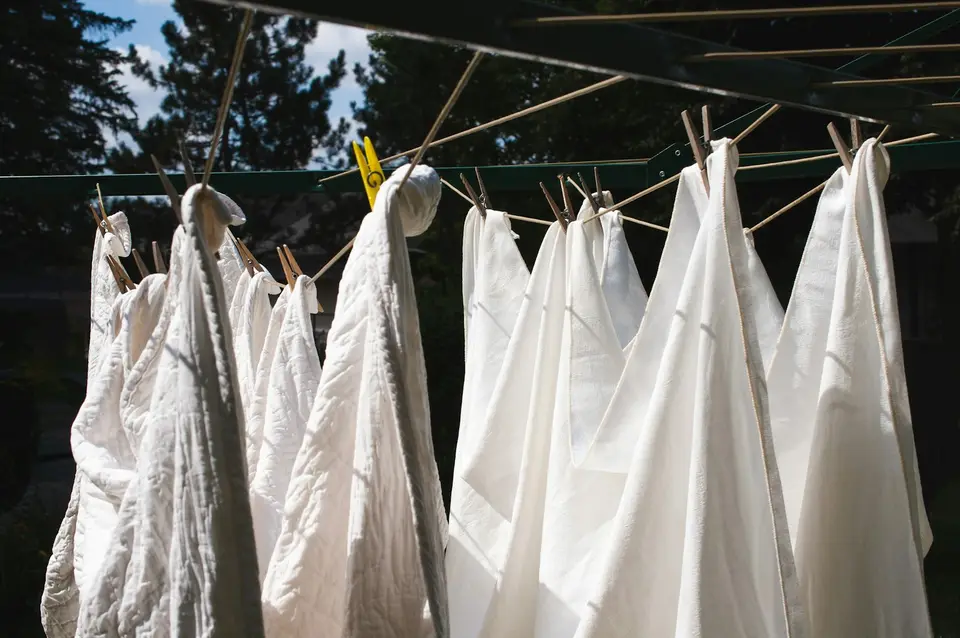
US CDC asthma-control guidance says dust mites can trigger asthma attacks and lists relative humidity around 30 to 50 percent, allergen-proof mattress and pillow covers, weekly bedding washing, complete drying and regular HEPA-filter vacuuming as exposure controls. Its current public guidance does not specify a universal water temperature for washing bedding, so this report does not carry over a fixed hot-water setting.
These measures address different reservoirs. Lower humidity makes the indoor environment less favorable to mites and mold, covers place a barrier around bedding, and washing removes material from sheets and cases. None of the cited guidance promises that one measure will eliminate symptoms, and environmental control does not replace prescribed asthma treatment.
Children and higher-risk adults should avoid cleanup
Children should not take part in disaster cleanup. People with asthma, mold allergy or another chronic lung condition should stay out of buildings with visible or smelled mold, while people with weakened immune systems should not enter buildings with indoor water leaks or mold growth, according to the US CDC's severe-weather clinical guidance.
Separate US CDC guidance tells people who are pregnant or recently pregnant to avoid hard cleanup work and advises pregnant people and those with a young infant not to enter a mold-damaged building. People taking immune-suppressing medicine fall within the higher-risk group identified by CDC. The reviewed sources do not specify a separate cleanup routine for every chronic condition or regular medicine, so those patients should ask a clinician whether they should participate and should not change treatment without clinical advice.
Re-entry requires a dry building, not a clean smell
Before reoccupation, the building should be dry, the moisture source repaired, moldy material removed and any flood-damaged ventilation system assessed. A fragrance or coat of paint does not show that hidden moisture behind walls, under flooring or inside upholstery has been resolved.
Humidity should be checked at different times of day, especially after rain, bathing or cooking. If respiratory or eye symptoms recur on returning to the building, the person should leave the exposure when possible and seek clinical advice. The timing can help a clinician assess the pattern, but it cannot identify the cause without an appropriate medical evaluation.
Frequently asked questions
Is a target of 50 to 60 percent relative humidity enough?
The US CDC advises no higher than 50 percent for mold prevention and around 30 to 50 percent for asthma trigger control. WHO emphasizes preventing persistent dampness but does not provide a single global numerical limit in the material reviewed for this report.
Does black mold require a species test before cleanup?
No routine species test is needed under the cited US CDC guidance. The priority is safe removal, drying and repair of the water source, regardless of mold color.
Should every flooded item be disinfected with bleach?
No. Some porous items need disposal because they cannot be dried or cleaned adequately, while hard surfaces can be cleaned with detergent and water. When a disinfectant is appropriate, its label and local guidance govern its use, and bleach must never be mixed with other cleaners.
Can humidity control replace asthma medicine?
No. Reducing exposure is one part of asthma control. Prescribed treatment and an individual asthma action plan should be changed only with the clinician responsible for that care.
Sources and further reading
- WHO guidelines for indoor air quality: dampness and mould(World Health Organization Regional Office for Europe)
- Clinical guidance for asthma, other respiratory conditions, and/or mold allergy after a severe weather event(US Centers for Disease Control and Prevention)
- Guidelines for cleaning safely after a disaster(US Centers for Disease Control and Prevention)
- Safety guidelines: Reentering your flooded home(US Centers for Disease Control and Prevention)
- Controlling asthma(US Centers for Disease Control and Prevention)
- Safety messages for pregnant, postpartum, and breastfeeding women during natural disasters and severe weather(US Centers for Disease Control and Prevention)
- Asthma(World Health Organization)
- CDC asthma action plan(US Centers for Disease Control and Prevention)