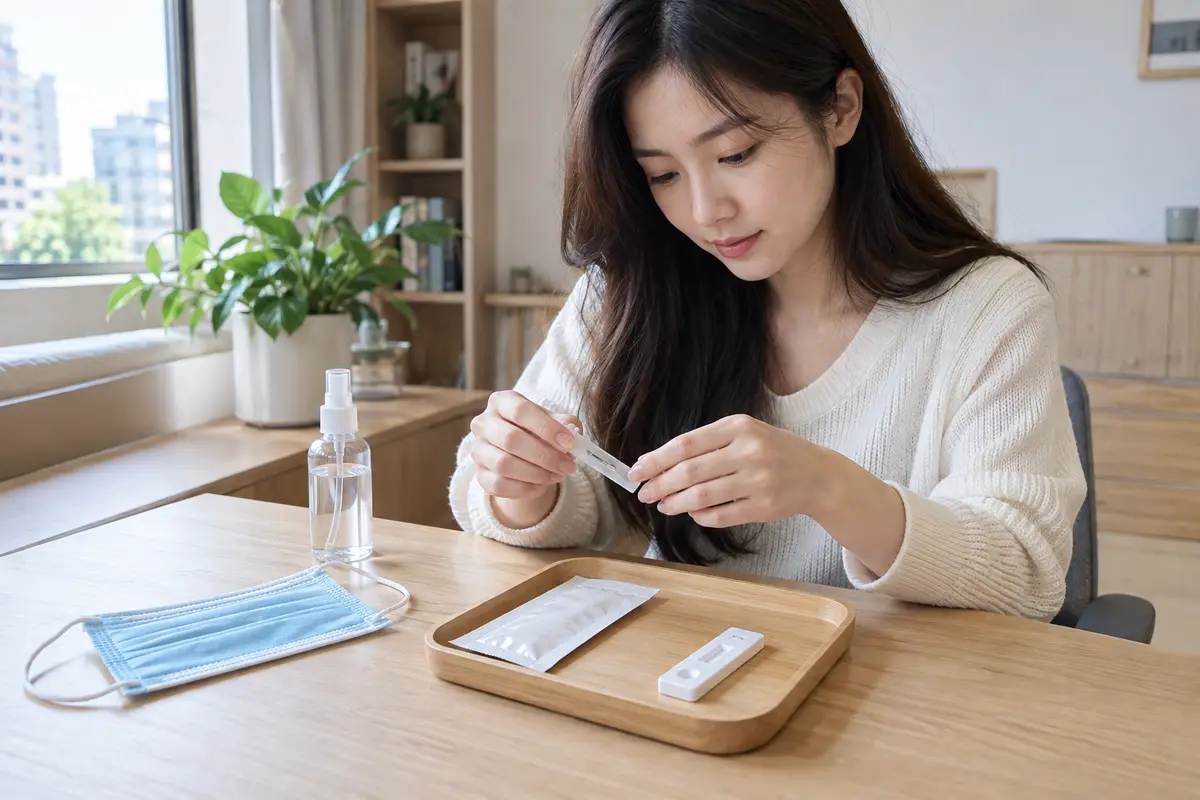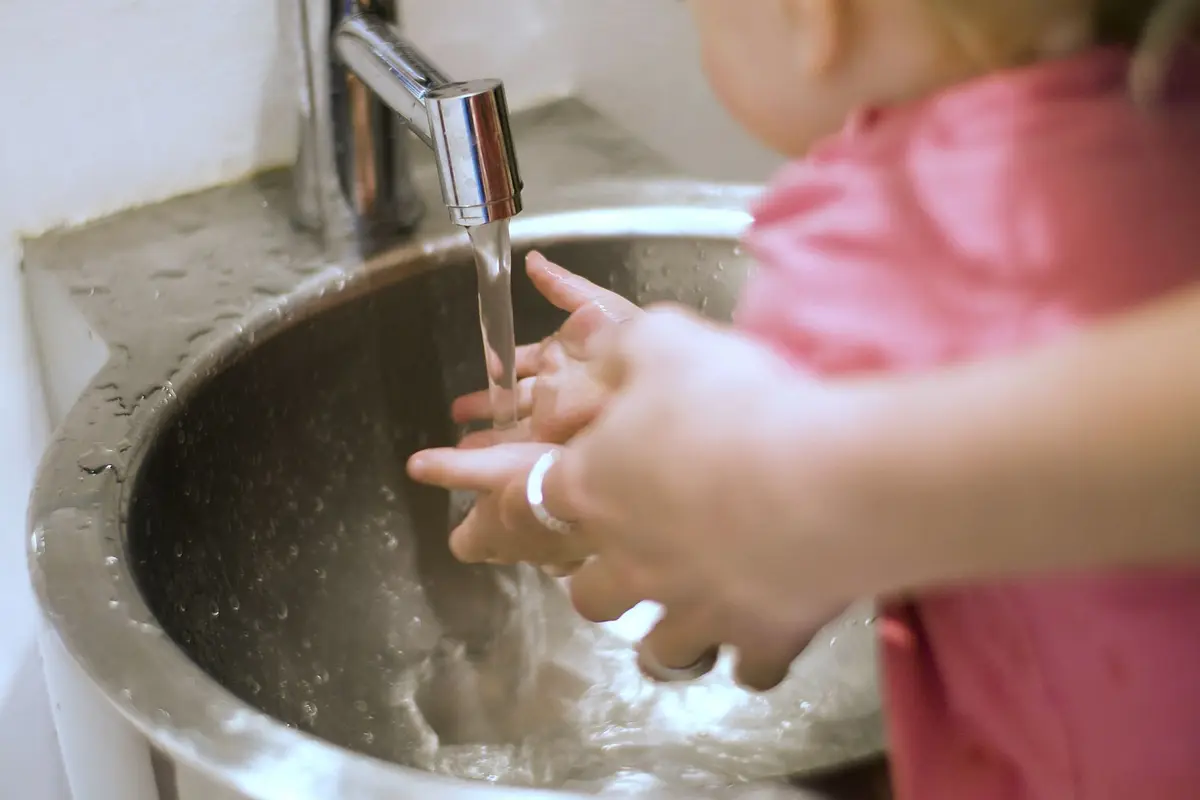
The World Health Organization (WHO) and UNICEF released their first global guideline for hand hygiene in community settings on October 15, 2025, and identified toilet use or contact with feces as one of five key times to clean hands. The recommendation covers homes, public spaces and institutions rather than healthcare facilities alone.
The US Centers for Disease Control and Prevention traces a contact chain from unwashed hands to food, shared surfaces and the eyes, nose or mouth. That route can begin before a person leaves the restroom.
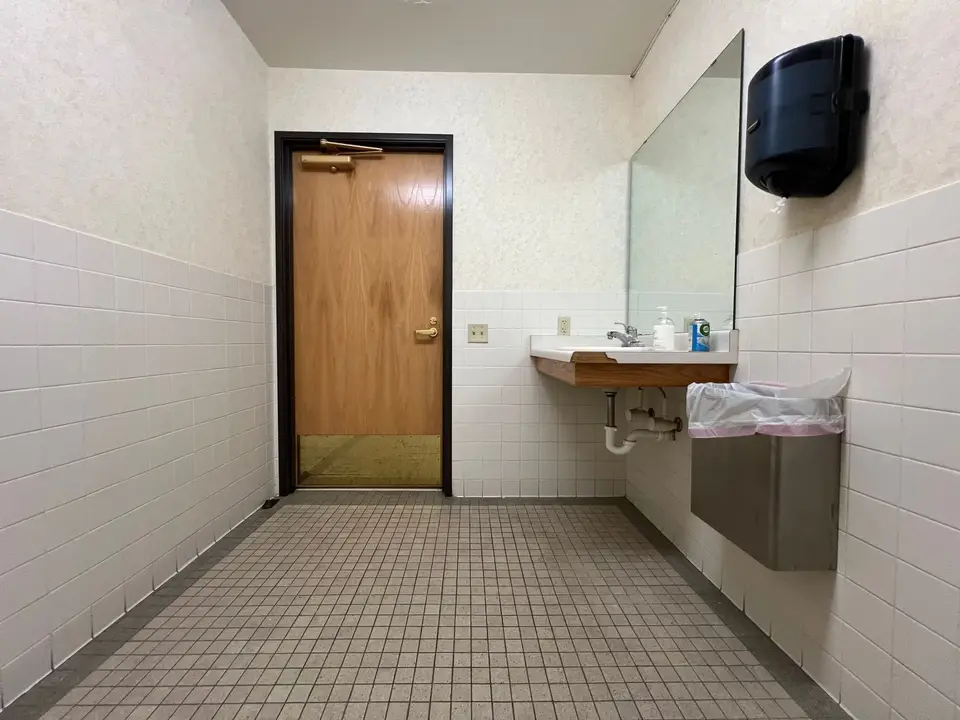
Unwashed hands extend the contact chain
The US Centers for Disease Control and Prevention (CDC) says feces can carry diarrhea-causing organisms including Salmonella, E. coli O157 and norovirus, and that these germs can reach hands after toilet use. The same evidence summary describes how germs on unwashed hands can enter food, move to objects such as handrails and reach the body when a person touches the eyes, nose or mouth.
A door handle, faucet, phone or handrail can become one link in transmission, but contact does not prove infection. The US CDC says scientists do not know whether touching a bathroom door handle transfers a significant number of germs because the question has not been specifically studied.
Severe dehydration needs prompt medical care
The US CDC lists decreased urination, a dry mouth or throat and dizziness on standing among dehydration signs, while a child may cry with few or no tears or become unusually sleepy or fussy. Young children, older adults and people with other illnesses face a higher dehydration risk when repeated vomiting or diarrhea occurs; severe dehydration needs medical care.
WHO advises consulting a health professional for diarrhea lasting 14 days or longer, blood in the stool or signs of dehydration. These are warning signs after illness begins, not a way to identify which organism caused it or where exposure occurred.
Toilet use is one of five key times
The 2025 WHO-UNICEF guideline identifies five key times: before preparing food; before eating or feeding another person; after toilet use or contact with feces; after coughing, sneezing or blowing the nose; and whenever hands are visibly dirty. This list gives the same priority to the hand-to-food route and the hand-to-face route.
The US CDC also names after toilet use, after changing a diaper and before, during and after food preparation as times to wash with soap and clean running water. Washing before handling a phone or food shortens the number of surfaces touched with unwashed hands.
Five steps cover washing and drying
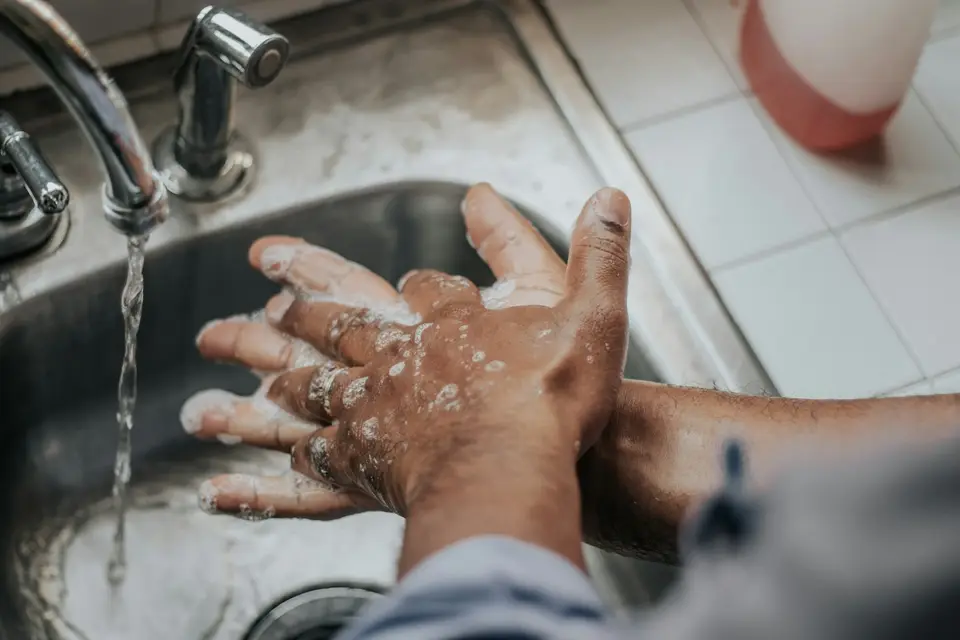
The US CDC sequence is to wet hands under clean running water, apply soap, lather the backs of the hands, between the fingers and under the nails, scrub for at least 20 seconds, rinse, and dry with a clean towel or air dryer. Warm and cold running water are both acceptable.
The CDC's evidence page says soap is more effective than water alone because its surfactants lift soil and microbes from skin, while rubbing adds friction. It also says antibacterial soap has shown no added health benefit over plain soap for consumers.
Hand sanitizer has limits after toilet use
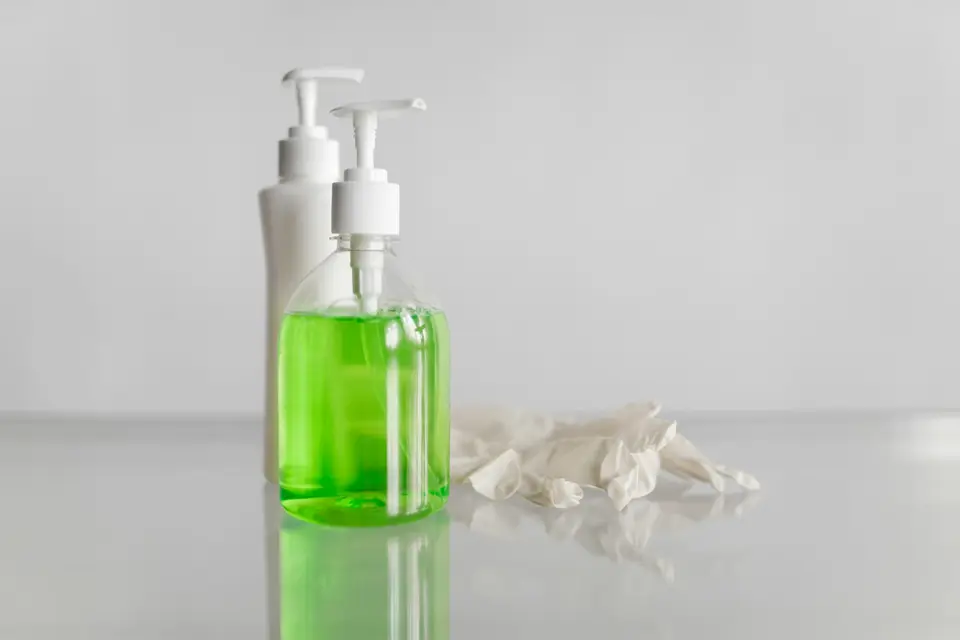
WHO says an alcohol-based hand rub containing at least 60 percent alcohol is an effective alternative when hands are not visibly dirty. US CDC guidance for schools and early-care settings is more specific about toilet use: wash with soap and water after using the toilet because sanitizer does not eliminate every type of germ.
The US CDC's norovirus guidance, updated January 13, 2025, says sanitizer alone does not work well against the virus and is not a substitute for handwashing. It recommends soap, water and at least 20 seconds of washing after toilet use and before eating, preparing or handling food.
Young children may need help
The US CDC advises helping children with handwashing when needed and supervising sanitizer use for children younger than six or children with certain disabilities to prevent swallowing or eye exposure. Store sanitizer out of their reach when an adult is not present.
APPI News found no separate routine for other health groups
APPI News could not find separate post-toilet handwashing steps for pregnancy, chronic illness or regular medicine use in the cited community guidance at the time of writing. This guide therefore does not infer a different technique for those groups.
Frequently asked questions
Is a quick rinse with water enough after toilet use?
No. Soap helps lift soil and microbes from skin, and the US CDC sequence calls for at least 20 seconds of scrubbing before rinsing and drying.
Does water need to be hot?
No. The US CDC accepts warm or cold clean running water and says water temperature does not appear to change germ removal.
Can sanitizer replace washing after toilet use?
Soap and water are the preferred method after toilet use. Sanitizer has a role when soap and water are unavailable and hands are not visibly dirty, but it does not work well against norovirus and should not replace washing in that setting.
Sources and further reading
- New guidelines on community hand hygiene to help governments reduce the spread of infectious diseases(World Health Organization)
- About Handwashing(US Centers for Disease Control and Prevention)
- Handwashing Facts(US Centers for Disease Control and Prevention)
- How to Prevent Norovirus(US Centers for Disease Control and Prevention)
- About Norovirus(US Centers for Disease Control and Prevention)
- Diarrhoea(World Health Organization)
- About Hand Hygiene in Schools and Early Care and Education Settings(US Centers for Disease Control and Prevention)
- Hand Hygiene Frequently Asked Questions(US Centers for Disease Control and Prevention)