#Preventive health

49 articles

Clinical oral exams flag suspicious lesions but do not diagnose cancer

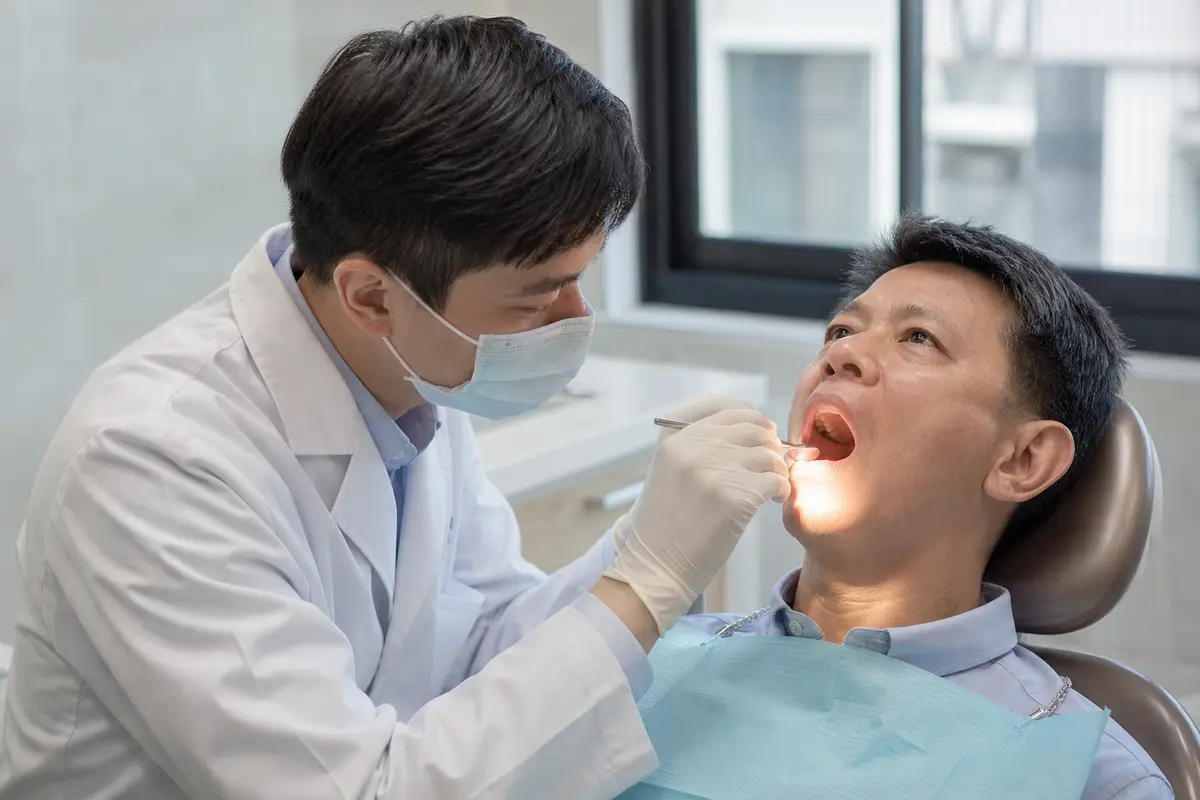
The International Agency for Research on Cancer says clinical oral examination may reduce oral cancer mortality in people exposed to tobacco, areca nut or alcohol. The exam uses visual inspection and palpation to find suspicious lesions, but a positive result requires diagnostic follow-up and a negative result cannot rule out cancer.

APPI News Editorial 8 min

Timed light shifts differ for jet lag, night work and rotating shifts

The US National Institute for Occupational Safety and Health said in guidance dated July 14, 2026, that nonstandard schedules can disrupt or shorten sleep and that employers and workers should manage fatigue risk together. Timed light can shift circadian timing, but a May 2026 US sleep guideline rated much of the night-work evidence very low certainty and jet-lag plans still depend on route.

APPI News Editorial 8 min

WHO guideline puts toilet use among five key times to wash hands

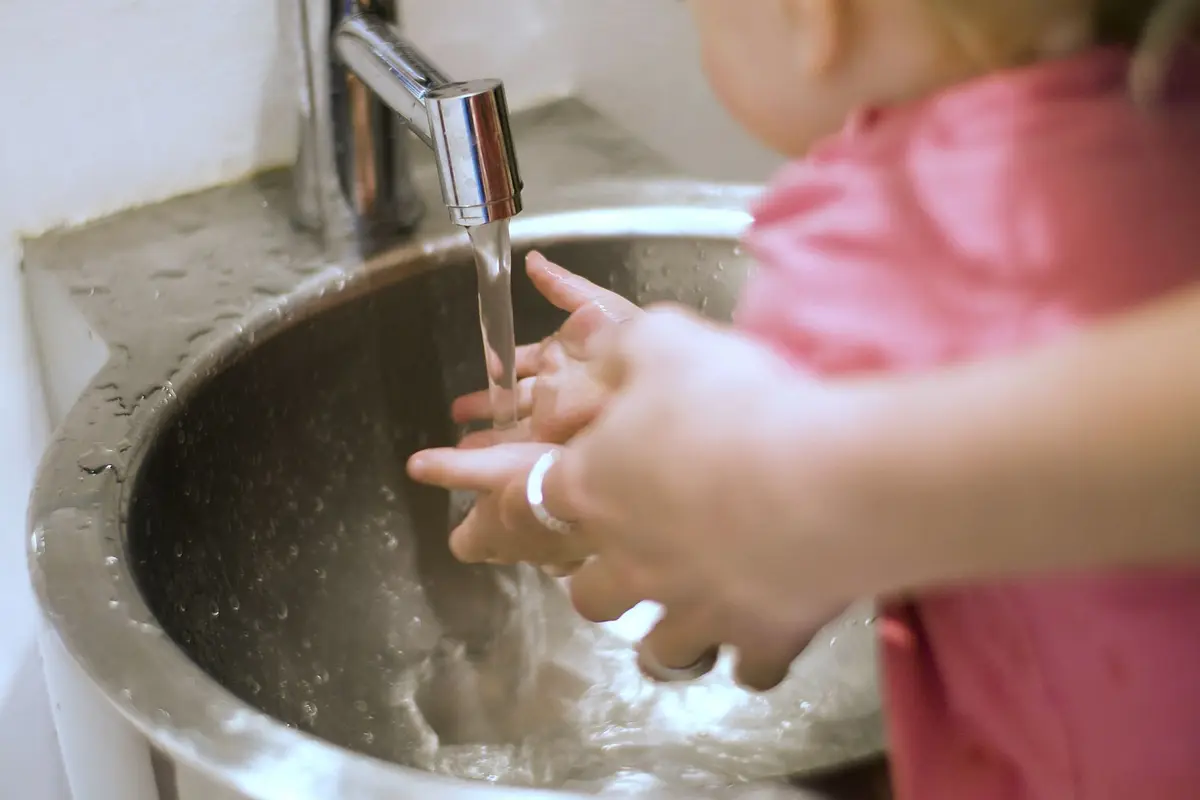
The World Health Organization and UNICEF released the first global community hand-hygiene guideline on October 15, 2025, listing toilet use among five key times to clean hands. Soap and running water remove germs from hands before later contact with food, shared surfaces or the face; sanitizer does not remove every type of germ.

APPI News Editorial 5 min

IARC sets conditions for population H. pylori screening

The International Agency for Research on Cancer issued globally applicable guidance in 2025 for population H. pylori screen-and-treat programs aimed at preventing stomach cancer. It says program design must account for local cancer burden, test performance, treatment capacity, antibiotic resistance and confirmation that infection was cleared.

APPI News Editorial 8 min

Caffeine and alcohol alter sleep, while screen evidence is mixed

A 2025 review of 27 studies found that alcohol delayed and reduced rapid eye movement (REM) sleep, while a 2023 review linked caffeine to shorter, later and less efficient sleep. Evidence for evening screens is less settled, and a 2024 expert panel did not agree that screen light alone harms sleep in any age group.

APPI News Editorial 5 min

HPV vaccination does not replace routine cervical screening

A World Health Organization fact sheet updated in July 2026 says regular cervical screening remains necessary after human papillomavirus vaccination because vaccines do not prevent every cancer-causing infection. HPV tests detect high-risk virus types, while Pap cytology looks for abnormal cervical cells, and national programs set their own schedules.

APPI News Editorial 7 min

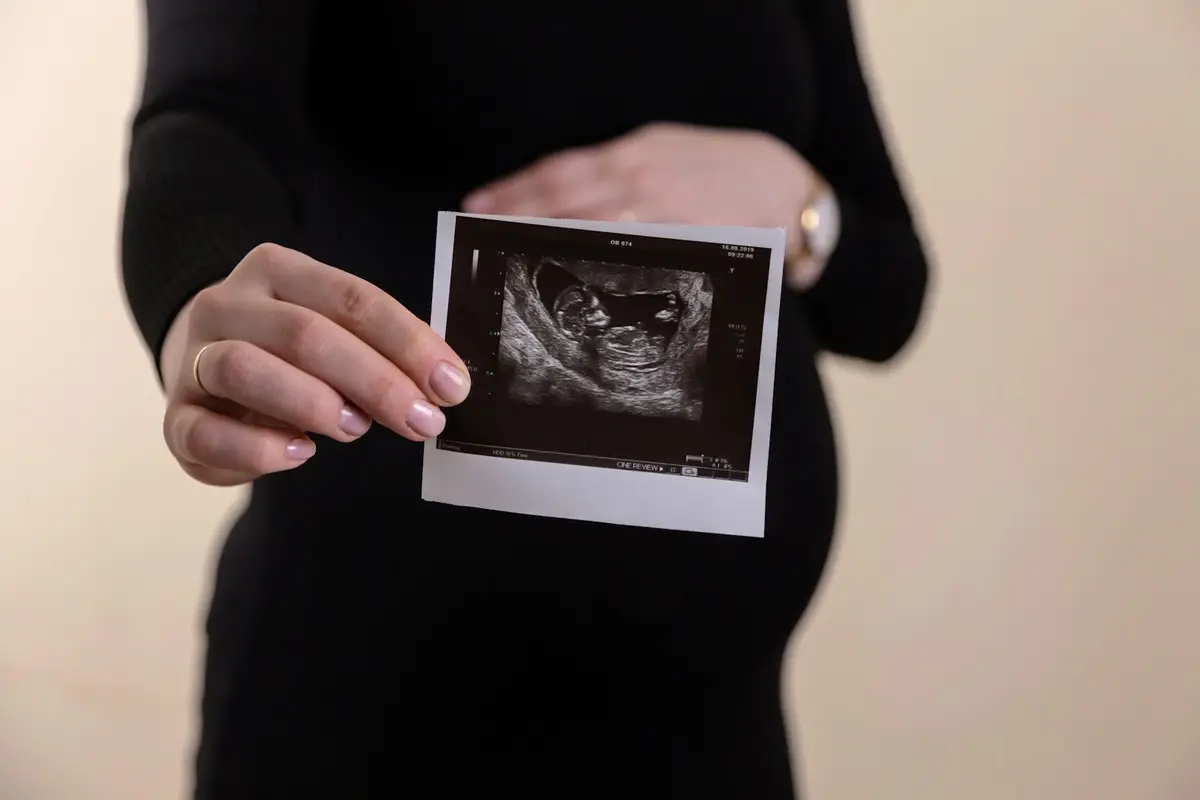
Oligohydramnios requires more than one ultrasound measurement

Obstetric teams identify oligohydramnios with ultrasound, commonly using an amniotic fluid index below 5–6 cm or a deepest vertical pocket below 2 cm. The result must be interpreted with gestational age, possible membrane rupture, fetal anatomy and growth, while signs such as fluid leakage, bleeding, fever or changed fetal movement require prompt assessment.

APPI News Editorial 5 min

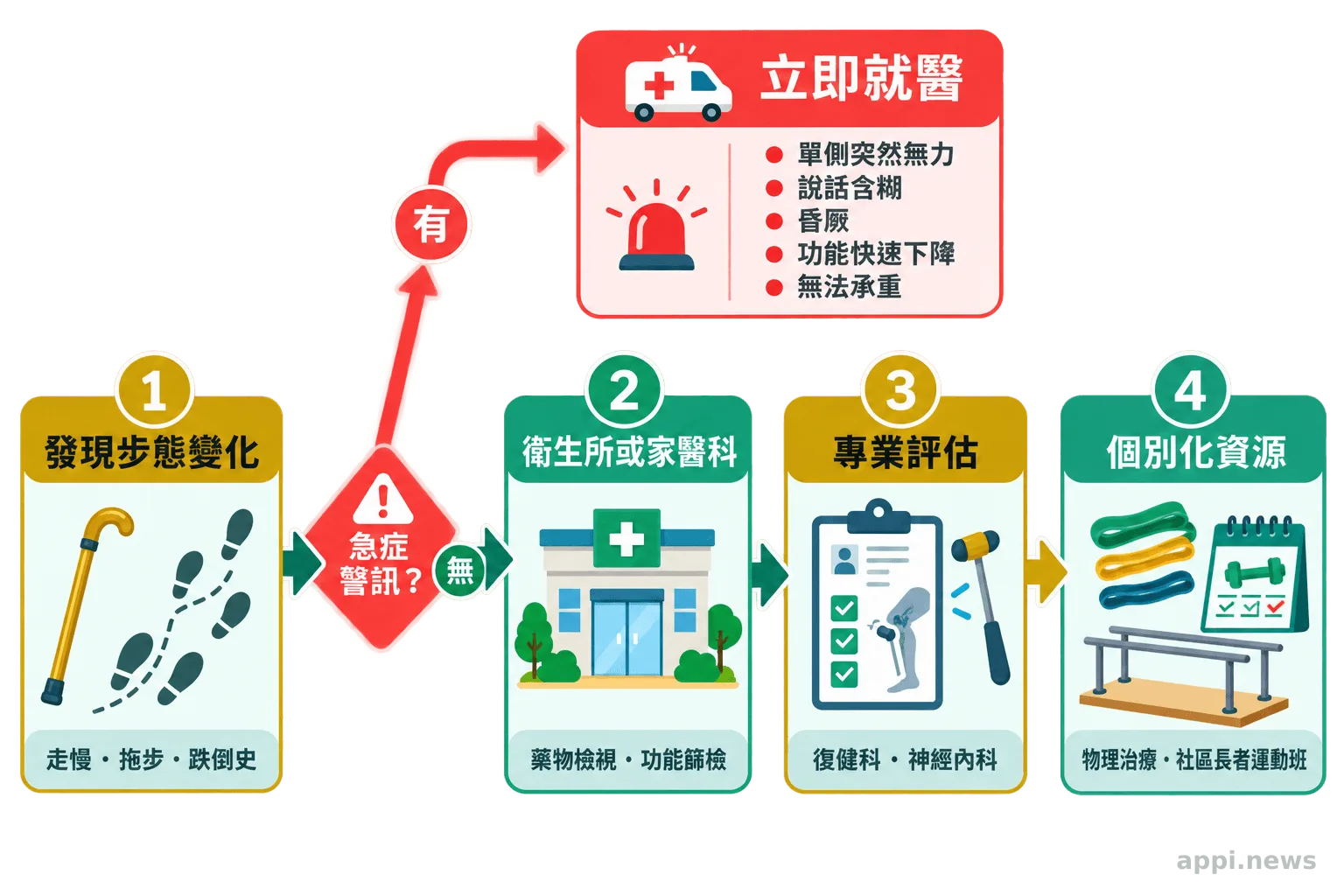
Four-minute strength trial improves function but does not test falls

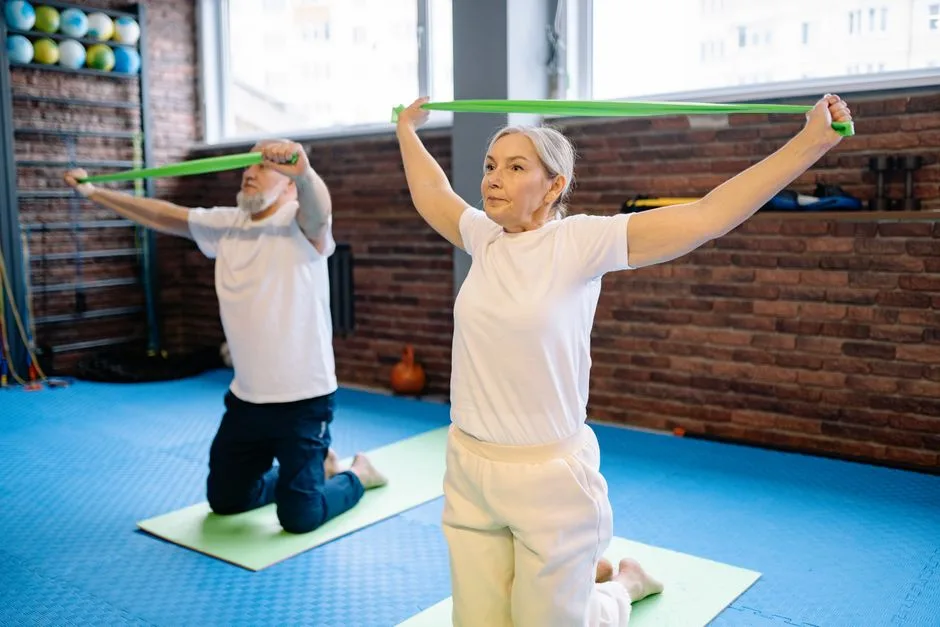
A randomized US trial published in March 2026 found that 97 older adults with walking difficulty improved three functional tests after a coached, four-minute daily strength program. The study did not measure falls or fractures, while global guidance calls for individualized exercise and a multifactorial risk assessment.

APPI News Editorial 6 min

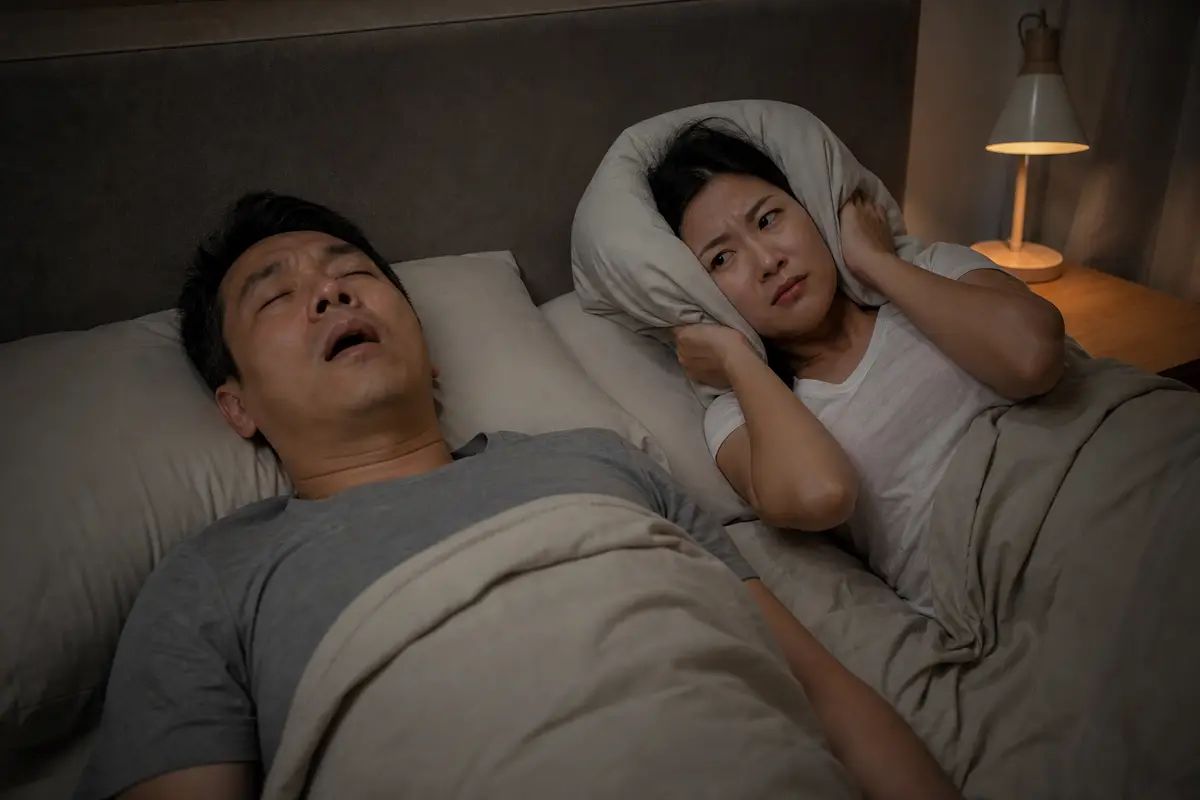
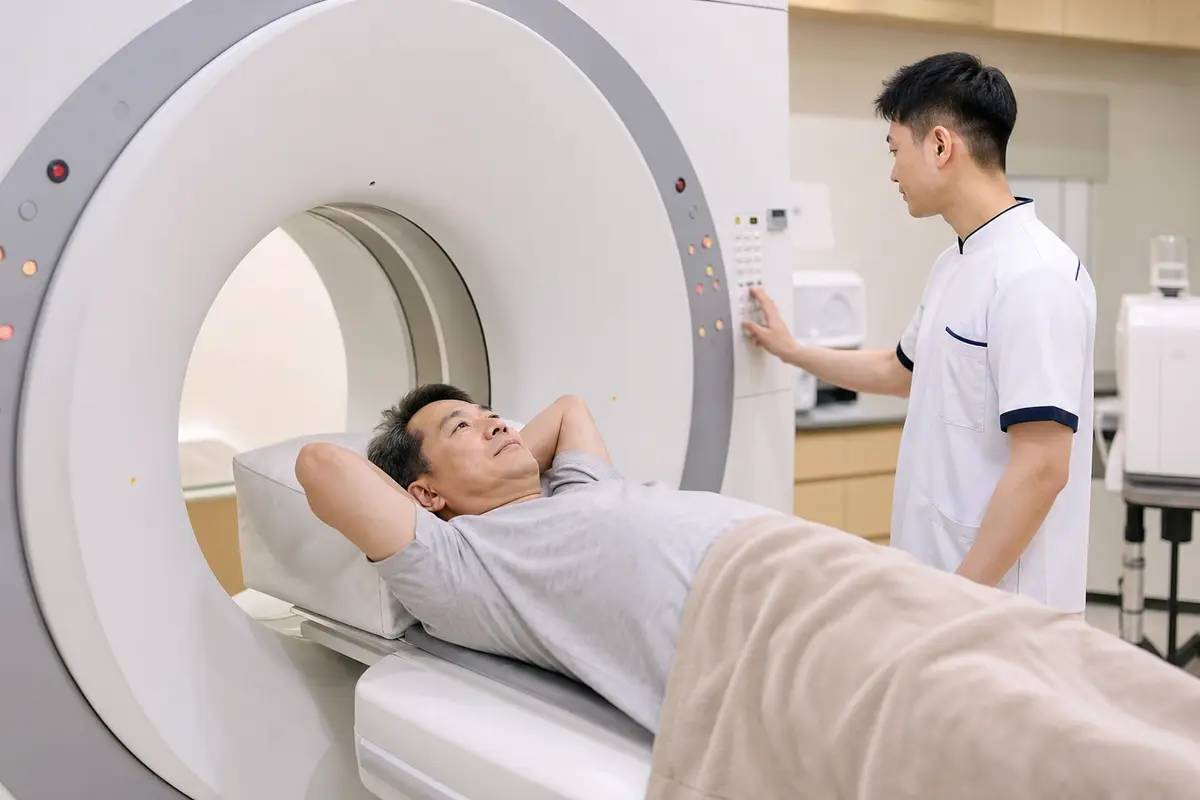
Sleep apnea diagnosis requires testing beyond a snoring checklist

A 2025 clinical guideline from the US Departments of Veterans Affairs and Defense says suspected adult obstructive sleep apnea should be diagnosed with polysomnography or home sleep apnea testing, not symptoms alone. Home testing suits selected adults, while a nondiagnostic result or complicating illness can require further testing.

APPI News Editorial 8 min

Growth and swallowing signs guide care for picky-eating toddlers

The World Health Organization’s August 2026 fact sheet calls for responsive feeding from six to 23 months, with caregivers following hunger and fullness cues. Recurrent coughing, gagging, dehydration signs, restricted dietary variety or a faltering growth trend can point to a problem that needs assessment.

APPI News Editorial 6 min

Japanese trial finds fewer advanced cancers with added ultrasound

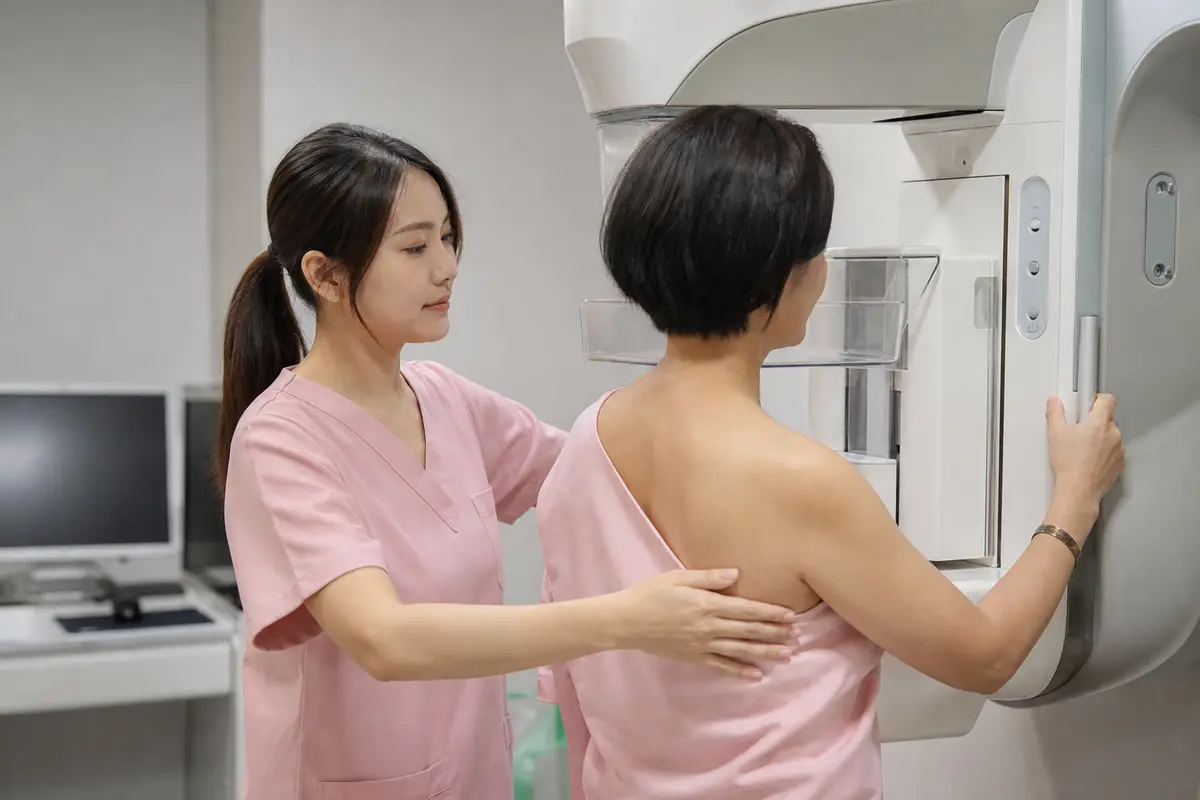
A Japanese trial published in February 2026 found fewer stage II or higher breast cancers after two rounds of mammography plus ultrasound than after mammography alone among women ages 40 to 49. The study did not test breast cancer mortality or establish a routine ultrasound schedule for other ages, risk groups or countries.

APPI News Editorial 8 min

Wild mushroom poisoning needs early action before symptoms appear

US poison-control specialists recorded 39 suspected amatoxin mushroom poisonings in Northern California between November 2025 and March 2026; four patients died and three needed liver transplants. Because symptoms can start within 30 minutes or remain delayed for more than six hours, suspected wild-mushroom ingestion requires expert advice before illness appears.

APPI News Editorial 5 min

WHO prioritizes highest-risk adults for routine COVID-19 vaccination

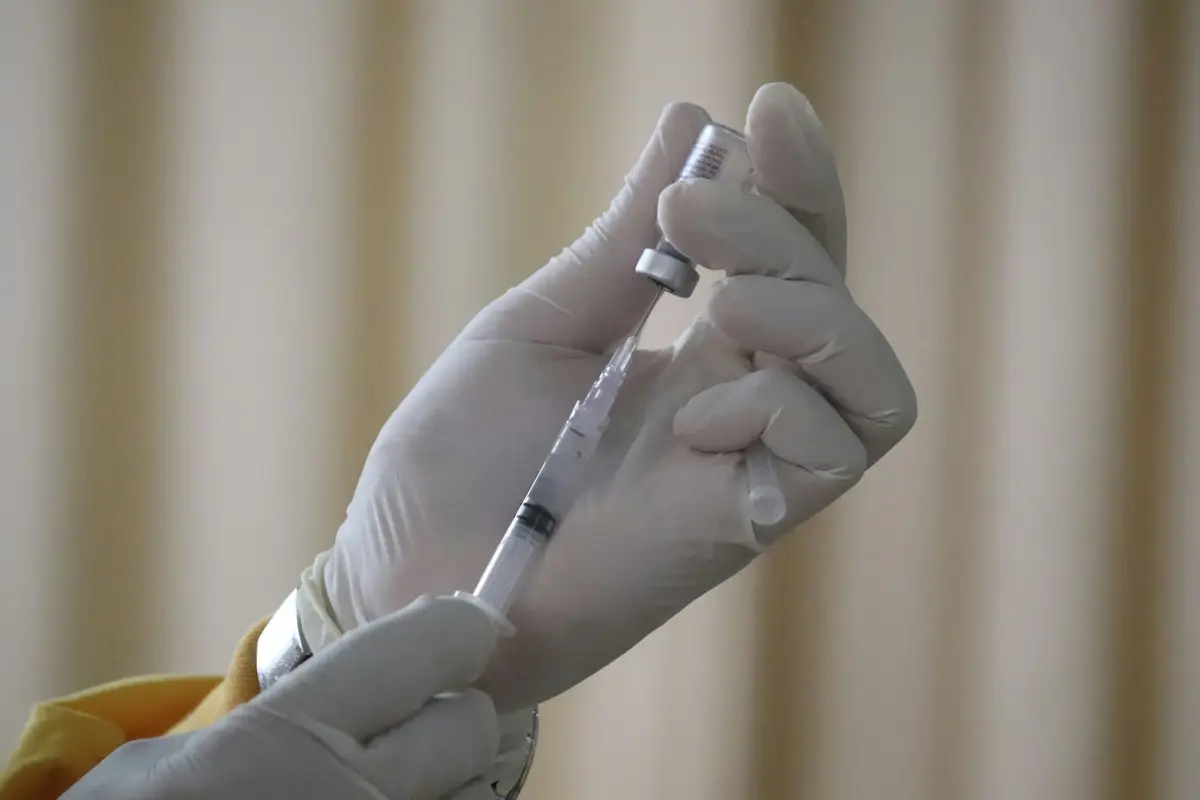
The World Health Organization published a new COVID-19 vaccine position paper on July 31, 2026, directing countries to focus routine vaccination on people at the highest risk of severe disease. Previous doses do not settle current eligibility because protection wanes and age thresholds, schedules, products, funding and availability differ by country.

APPI News Editorial 8 min

Changing viruses and waning immunity drive annual flu vaccination

The World Health Organization issued its 2026-2027 northern hemisphere flu vaccine composition recommendation on February 27, 2026, after reviewing global surveillance data. Annual vaccination addresses changing viruses and waning protection, but effectiveness, products and timing vary by season, age, health and country.

APPI News Editorial 7 min

WHO puts PQ.16.1.1 under monitoring as evidence remains thin

WHO designated PQ.16.1.1 a SARS-CoV-2 variant under monitoring on July 27, 2026, after its share of available sequences rose, mainly in the Western Pacific. The agency rated the additional global public health risk as low, while warning that sparse and geographically concentrated evidence limits confidence.

APPI News Editorial 5 min

Taiwan funds one-dose pneumococcal vaccines for eligible adults

Taiwan added PCV21 to its publicly funded adult pneumococcal vaccination program on August 10, 2026, giving eligible people a choice of PCV20 or PCV21. One PCV20 or PCV21 dose completes Taiwan's current program when a dose is due, but previous vaccines, age and risk still determine eligibility and timing.

APPI News Editorial 8 min

Adult vaccine reviews depend on records, risk and local rules

The World Health Organization published an updated COVID-19 vaccine position paper on July 31, 2026, with recommendations organized by risk group and national context. A practical adult vaccine review starts with documented doses, then applies the age, pregnancy, health, work and travel rules used where care is received.

APPI News Editorial 8 min

Swedish trial finds mammography AI matches double reading

Researchers reported in The Lancet on January 31, 2026 that AI-supported mammography was noninferior to double reading for interval cancer among 105,915 participants. The tested workflow triaged examinations to one or two radiologists and reduced screen readings by 44.2 percent.

APPI News Editorial 4 min

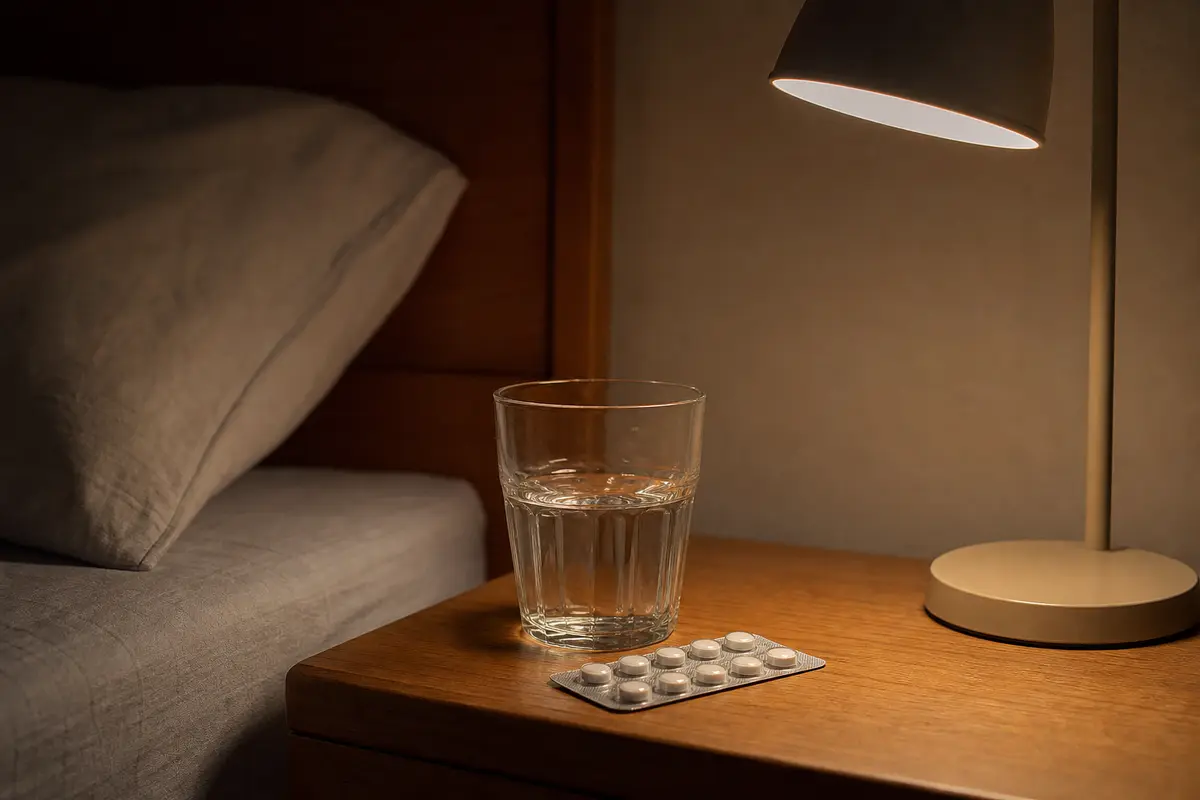
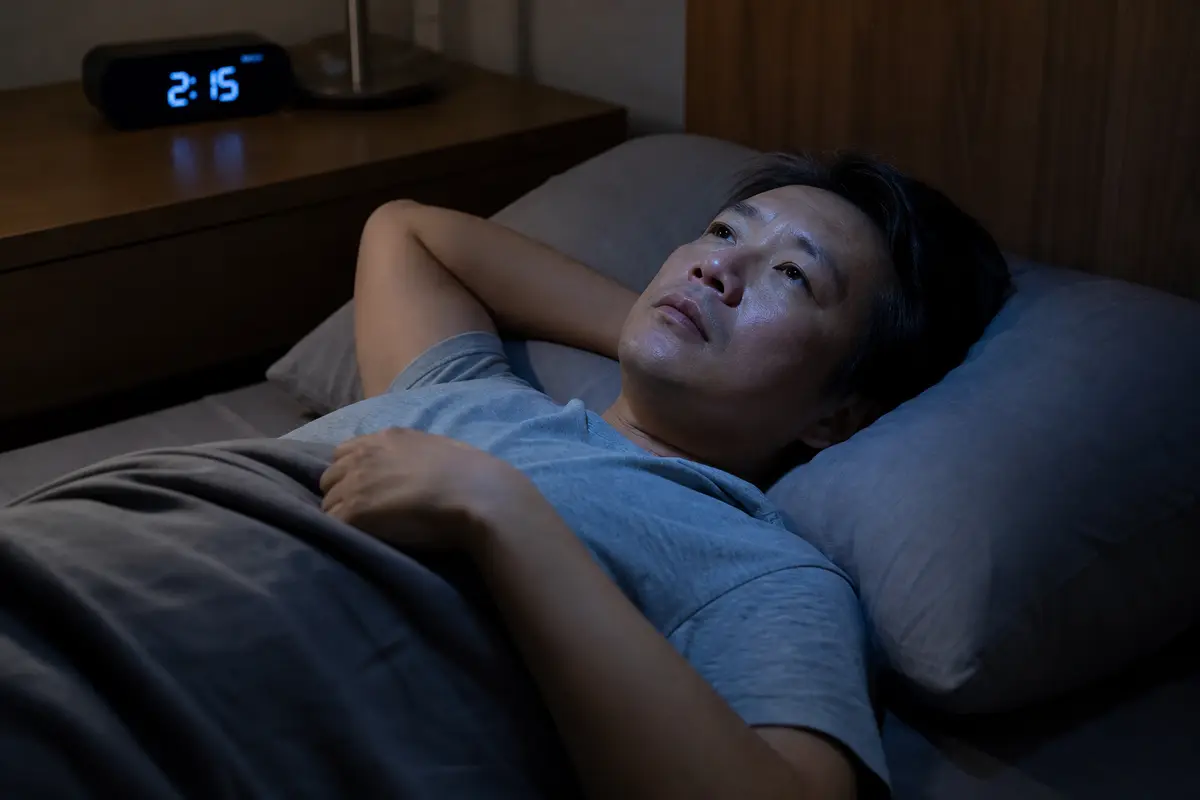
US and European guidelines put CBT-I first for chronic insomnia

A 2025 guideline from the US Departments of Veterans Affairs and Defense recommends CBT-I for chronic insomnia and suggests it over medication as first-line care. The therapy combines behavioral and cognitive work, while sleep restriction can temporarily increase daytime sleepiness and requires an individualized plan.

APPI News Editorial 4 min

Five checks separate health-product claims from usable evidence

An April 2026 BMJ Open audit rated 49.6 percent of 250 responses from five consumer chatbots as problematic when tested with misinformation-prone health prompts. Consumers can reduce that risk by checking the exact claim against regulator records, matching it to human evidence and opening every cited source.

APPI News Editorial 9 min

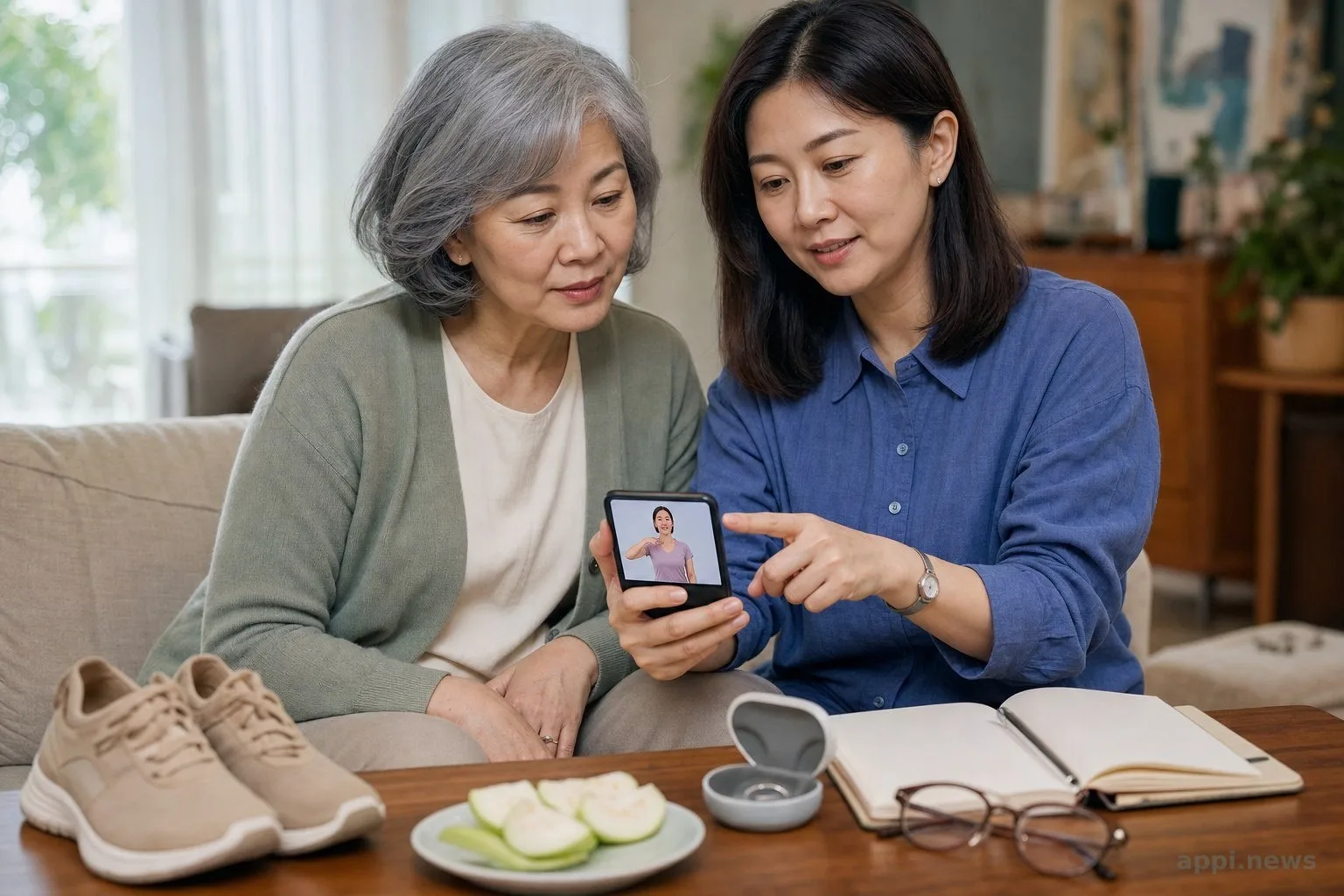
WHO's ICOPE screen checks six areas but does not diagnose

The World Health Organization's 2025 ICOPE handbook places a six-area capacity screen at the start of a four-stage primary care pathway for older adults. Studies in Spain and Taiwan found that results varied by domain and tool version, limiting what a one-time screen can establish.

APPI News Editorial 3 min

Three checks test influencer supplement ads and their evidence

The European Union's 2024 annual report said a screening found that 97 percent of the influencers checked posted commercial content, but only one in five consistently identified it as advertising. For supplement posts, a sponsorship label identifies a commercial tie; it does not show that a health claim matches regulator records or human evidence.

APPI News Editorial 8 min

Heat alerts call for earlier action for children and older adults

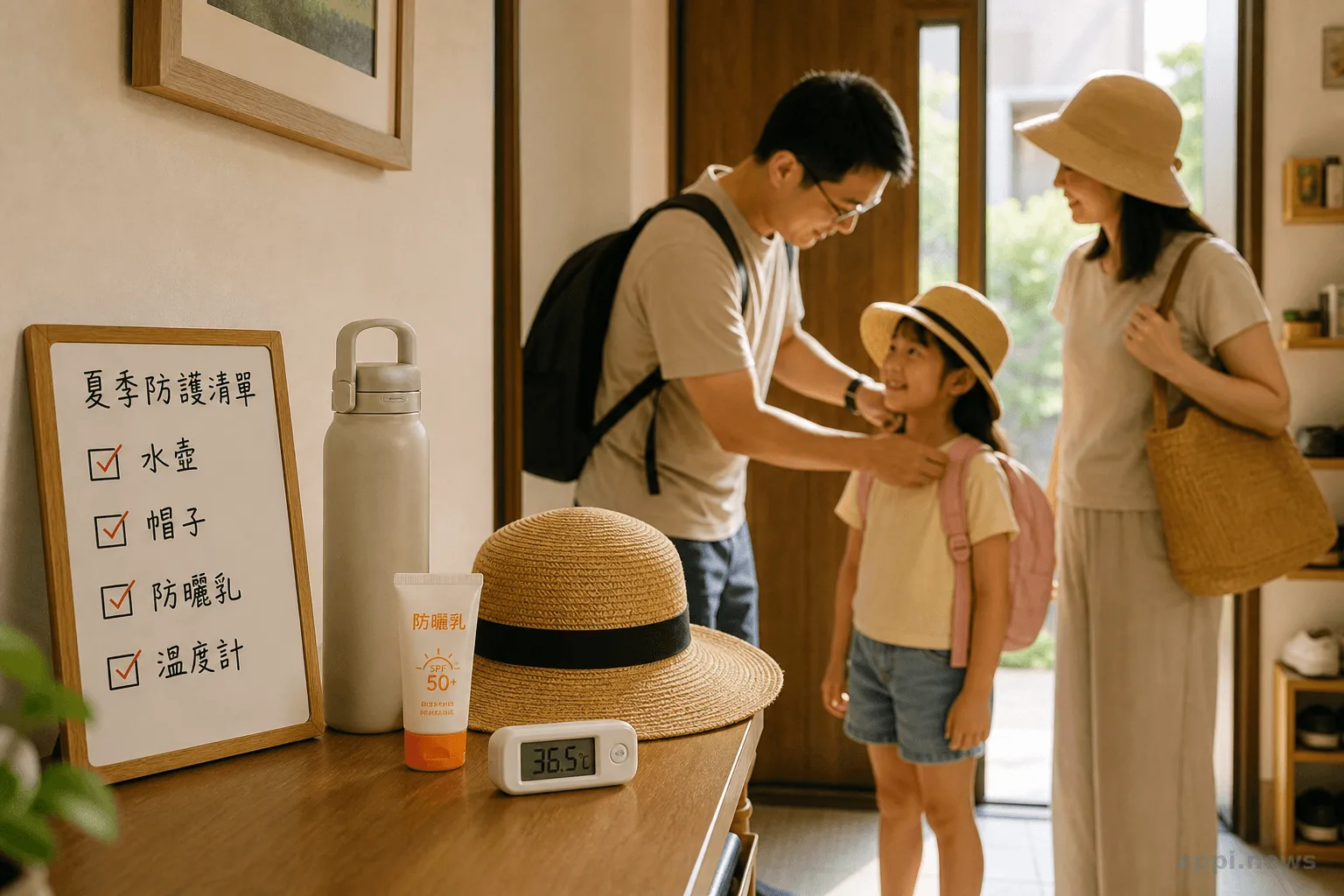
The World Health Organization's July 31, 2026 guidance says heat-related deaths and hospital admissions can rise on the day of an extreme-heat event and in the days that follow. A household plan should connect local warnings to cooling, fluids and rest, with earlier action for children, older adults and people with chronic illness.

APPI News Editorial 9 min

AST-to-ALT ratios need raw values and symptoms to guide follow-up

A 2024 guideline from the US-based American College of Gastroenterology uses the ratio of aspartate aminotransferase (AST) to alanine aminotransferase (ALT) only as one part of an alcohol-associated hepatitis assessment. Raw values, symptoms, exposure history and other tests determine follow-up.

APPI News Editorial 5 min

Swallowing, diapers and weight show whether a newborn gets enough milk

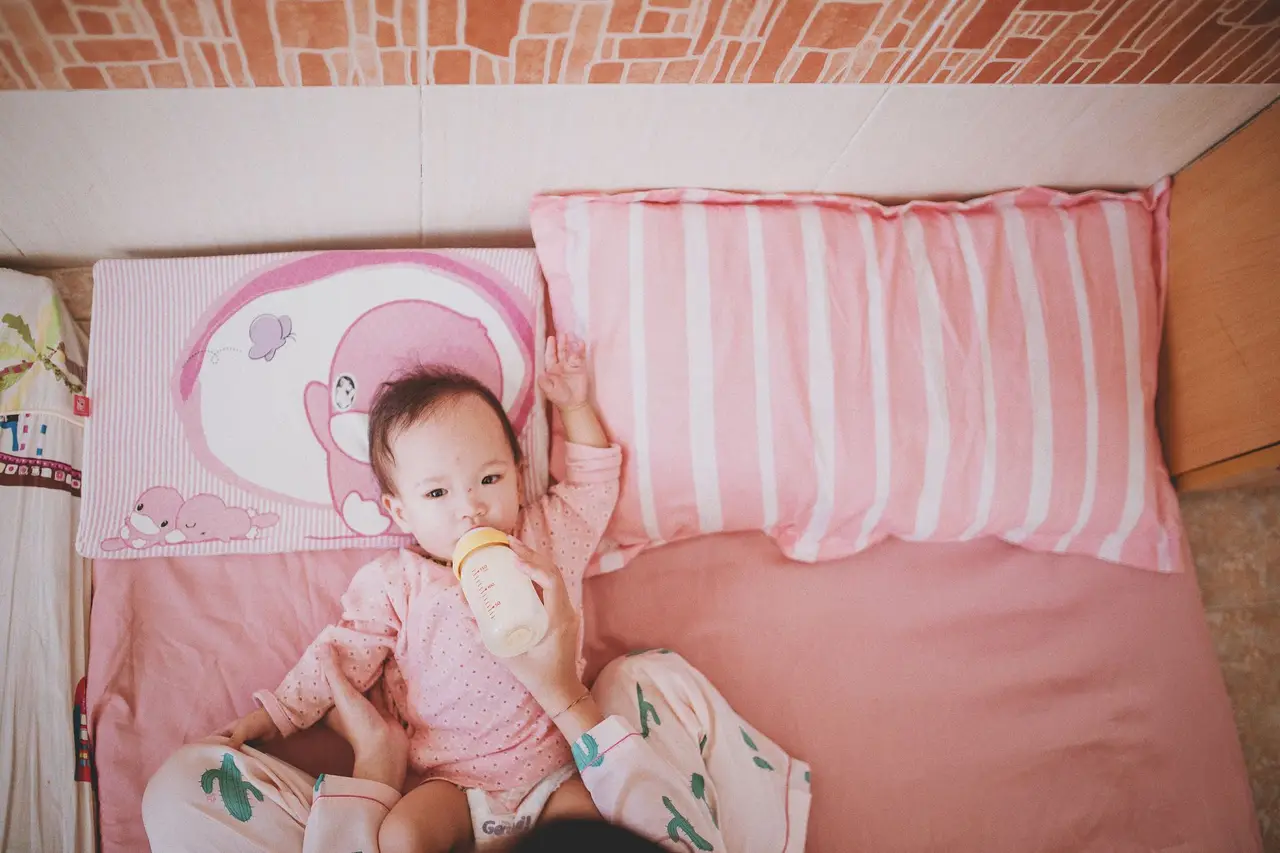
Updated United Kingdom health guidance directs parents to swallowing, diaper output and weight gain when assessing whether a breastfed newborn is getting enough milk. A single pumping session records what the pump removed, while the baby's condition and feeding pattern determine whether clinical assessment is needed.

APPI News Editorial 8 min

Taipei pharmacy alliance expands community health screening

A Taipei pharmacists' group and a private health association are expanding a program that links community pharmacies with clinics and corporate sponsors. The initiative proposes foot, bone and eye risk checks, but its promoters have not published test accuracy, referral completion or health-outcome data.

APPI News Editorial 3 min

Taiwan adds enhanced flu shots to 7.05 million-dose tender

Taiwan completed a tender in May 2026 for up to 7,050,150 publicly funded trivalent influenza vaccine doses for the 2026-27 season. The program adds adjuvanted and high-dose vaccines for older care-home residents, but its launch date had not been published by July 30.

APPI News Editorial 4 min

WHO framework adds functional ability to older adult assessment

The World Health Organization's updated care framework asks primary-care teams to assess changes in older adults' physical and mental capacities alongside their medical conditions. Walking speed, chair rises and grip strength can inform that review, but none provides a diagnosis or proves what caused a decline.

APPI News Editorial 3 min

Resistance training improves strength in frail older adults

A systematic review of 25 randomized trials found that resistance training improved strength and physical performance in older adults with frailty or sarcopenia. The trials varied widely, and their results do not provide a single exercise prescription for every older person.

APPI News Editorial 3 min

Weekly container cleaning disrupts dengue mosquito breeding

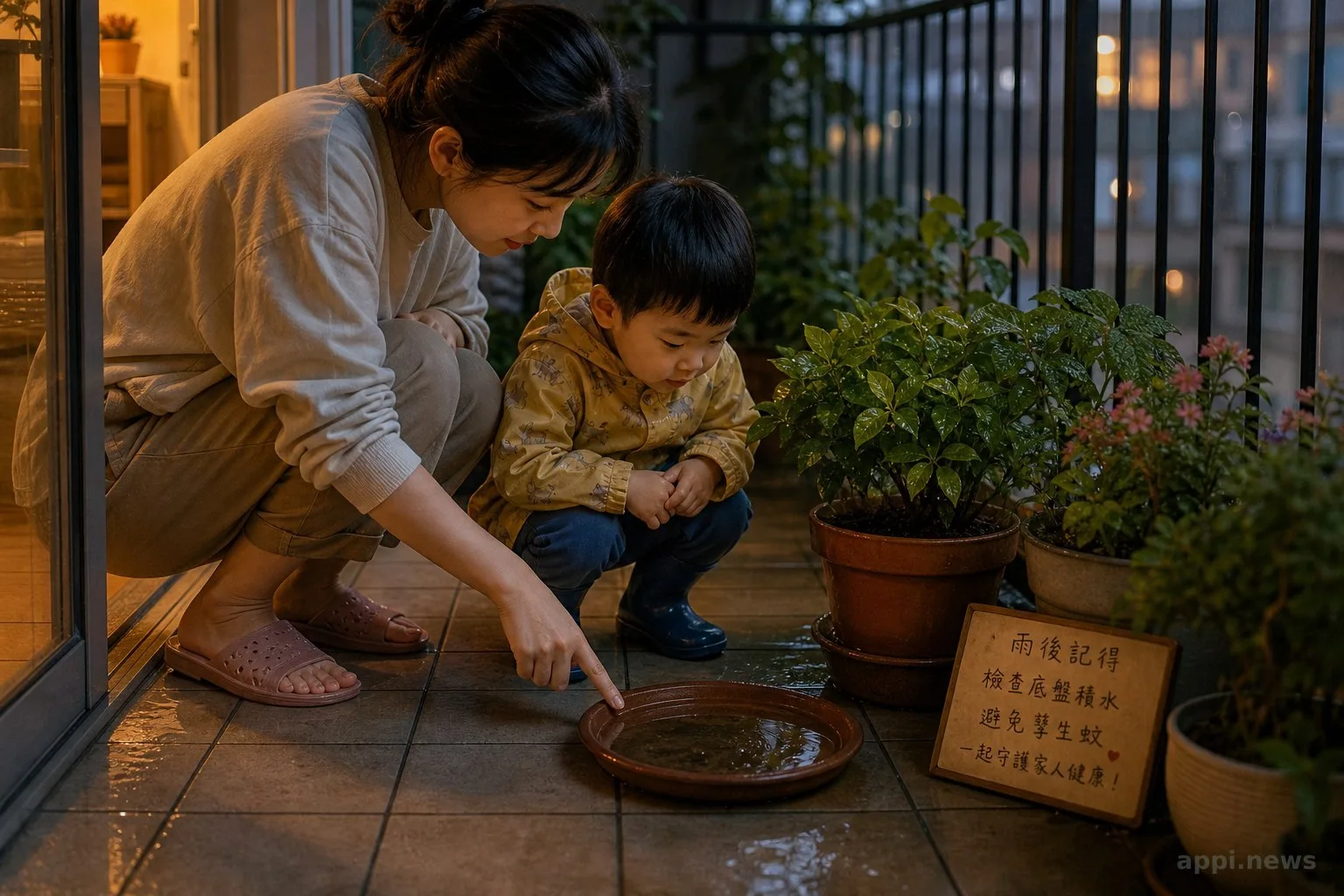
The World Health Organization advises households to empty, clean and cover water-holding containers every week to limit dengue mosquito breeding. Rain can refill plant saucers, discarded tires and other small containers, so source reduction depends on repeated checks rather than a one-time cleanup.

APPI News Editorial 3 min