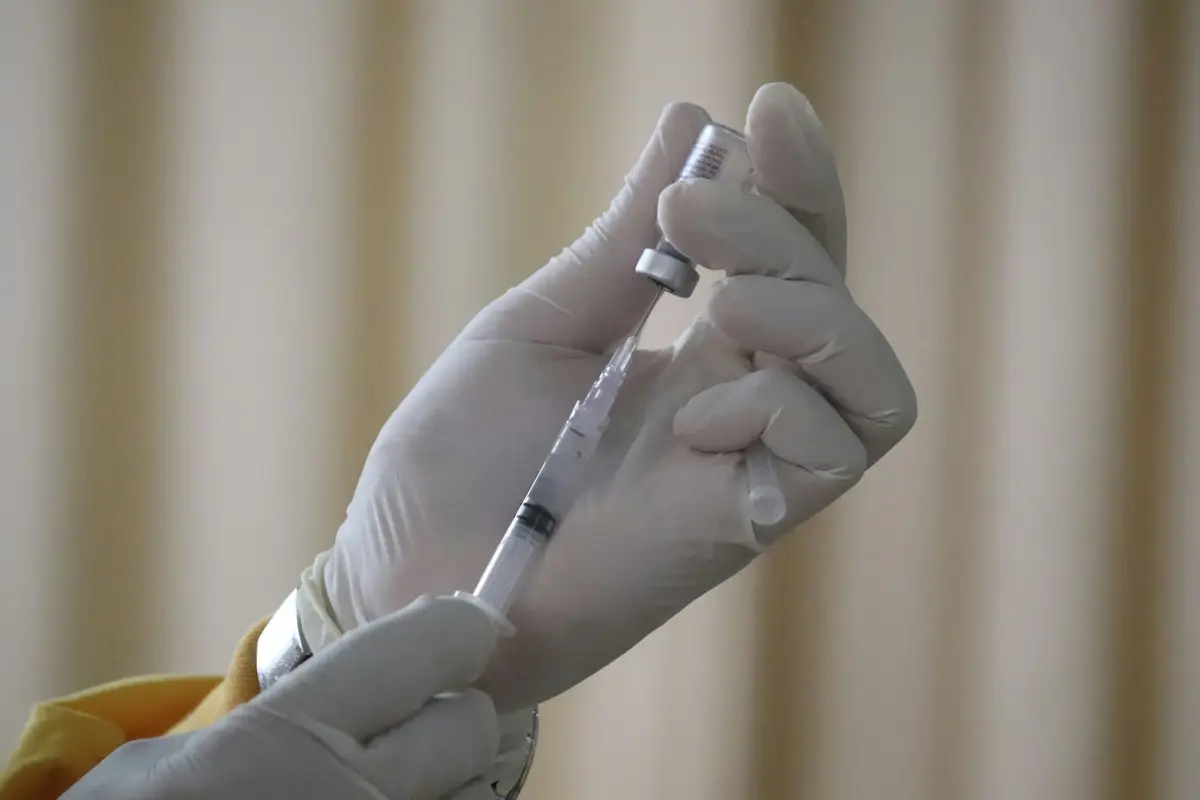
Taiwan completed a tender in May 2026 for up to 7,050,150 publicly funded trivalent influenza vaccine doses for the 2026-27 season. The program will use standard vaccines for most eligible recipients and, for the first time, reserve a small enhanced-vaccine allocation for residents aged 65 or older in long-term care and nursing facilities.
The number is a ceiling, not a firm delivery total. Taiwan's Centers for Disease Control, the health ministry agency that runs the vaccination program, had committed to 6,649,360 standard doses and 170,790 enhanced doses, with options for another 230,000 doses if demand required them. The agency had not published a launch date or staging schedule by July 30.
Severe allergic symptoms require immediate care
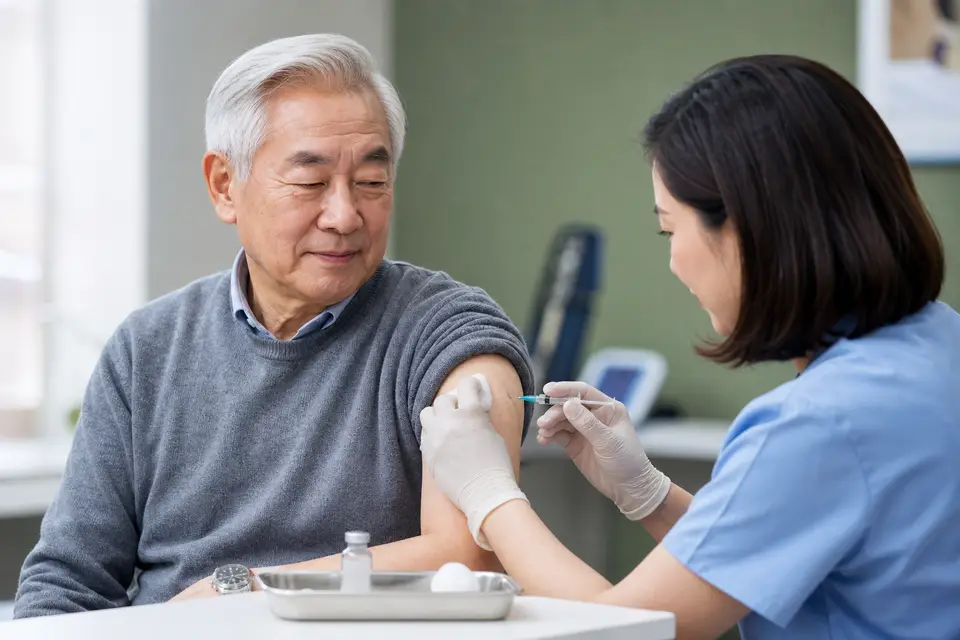
A severe allergic reaction can begin within seconds or minutes after any vaccination and, rarely, hours later. World Health Organization (WHO) guidance identifies noisy or difficult breathing, a hoarse voice, trouble swallowing or speaking, collapse and low blood pressure as signs of anaphylaxis. Anyone developing those symptoms after vaccination needs immediate emergency care.
People with a history of a severe reaction to a vaccine or a known allergy to one of its components should discuss the specific product with a clinician before vaccination. Children, pregnant people, people with chronic or immunocompromising conditions, and those taking medication may need advice based on age, health status and the products licensed where they live.
The headline total includes optional orders
Taiwan's disease-control agency said the tender covers up to 6,849,360 standard doses and 200,790 enhanced doses. The firm orders account for 6,820,150 of the 7,050,150-dose ceiling; the remaining 230,000 doses are contract options.
Five companies won places in the standard-vaccine tender and two supplied the enhanced category. Standard doses are scheduled for delivery in three batches from late September to mid-October 2026. The enhanced vaccines are due in one delivery in late September.
Delivery timing does not establish when vaccinations will start. The official procurement notice did not set an opening date, and APPI News found no 2026 staging schedule on the program page by July 30. Dates used in previous campaigns should not be treated as confirmed dates for this season.
Enhanced doses target older residents in care facilities
The enhanced allocation comprises an adjuvanted vaccine and a high-dose vaccine. Taiwan plans to offer these doses first to people aged 65 or older who live in long-term care or nursing facilities, rather than to everyone in that age group.
WHO lists older adults, pregnant people, health workers and people with underlying conditions among the groups countries should consider prioritizing. Its influenza vaccine position paper also covers adjuvanted and high-dose formulations for older adults, while advising national programs to weigh local disease burden, resources, cost and feasibility.
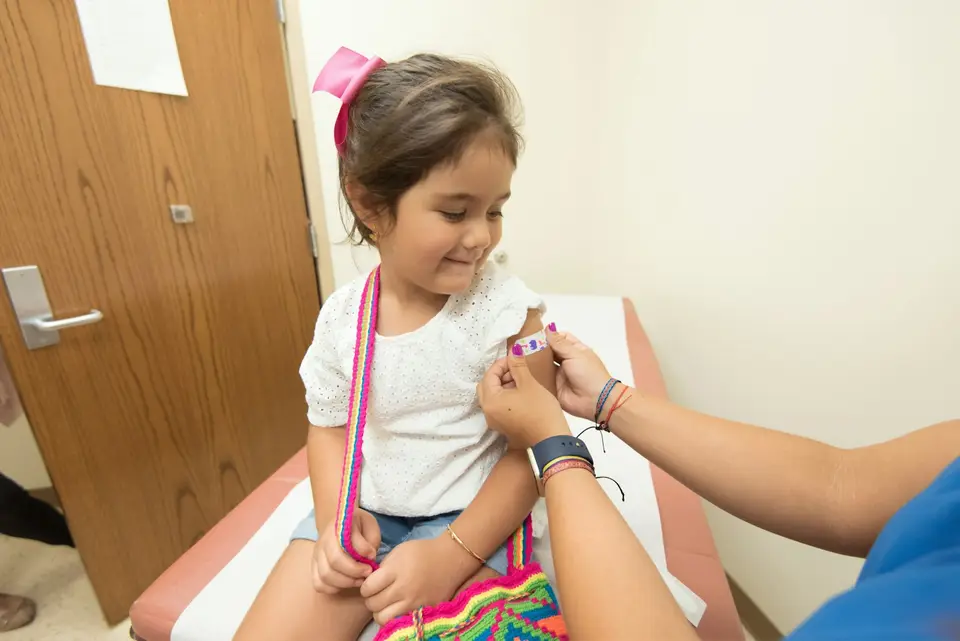
Taiwan's broader publicly funded program includes health and public-health workers, older adults, care-home residents and staff, children from six months of age, school students, pregnant people, certain adults with underlying conditions, and several occupational groups. The agency's Chinese-language program page gives the full eligibility rules and the age indication for each product.
Those rules apply only to Taiwan. Product licensing, public funding and recommended age groups vary by country, so a product or eligibility category listed in Taiwan cannot be assumed to be available elsewhere.
The 2026-27 vaccines use three components
WHO's February 2026 recommendation for northern hemisphere vaccines specifies two influenza A components and one B/Victoria-lineage component. The exact strains differ between egg-based vaccines and vaccines made using cell culture, recombinant protein or nucleic-acid platforms.
Taiwan's program page lists the same three-component structure for its 2026-27 publicly funded vaccines. WHO recommends the virus composition, but national or regional regulators decide which products and formulations may be used in their jurisdictions.
Flu and COVID-19 vaccines can be given at one visit
WHO says seasonal influenza and COVID-19 vaccines may be administered during the same appointment, or at any time before or after one another, for adults and adolescents. Both may also be given with vaccines recommended during pregnancy.
A clinician or vaccination service should confirm which products are due and available for the person receiving them. The recommendation on timing does not make the two vaccines interchangeable: influenza vaccination does not protect against COVID-19, and COVID-19 vaccination does not protect against influenza.

The remaining decision is the campaign timetable
The tender establishes supply categories and delivery windows, but Taiwan still has to publish the date on which each eligible group can begin receiving doses. That distinction matters because a shipment date does not guarantee immediate availability at every contracted clinic.
The firm-order total may also change if Taiwan exercises its contract options. Until the agency issues the campaign timetable and confirms any additional orders, 7,050,150 should be read as the program's maximum procurement volume.
Sources and further reading
- Taiwan CDC explains the 2026 publicly funded trivalent influenza vaccine tender(Taiwan Centers for Disease Control)Dose ceiling, firm and optional quantities, suppliers and delivery windows
- Taiwan's annual influenza vaccination program(Taiwan Centers for Disease Control)2026-27 vaccine composition, product age indications and publicly funded groups
- Recommended composition of influenza virus vaccines for the 2026-2027 northern hemisphere season(World Health Organization)Recommended strains for trivalent vaccines
- Vaccines against influenza: WHO position paper(World Health Organization)Priority groups, annual vaccination and co-administration guidance
- COVID-19 and influenza: similarities and differences(World Health Organization)Co-administration and higher-risk groups
- Anaphylaxis as an adverse event following immunization(World Health Organization)Recognition and urgency of severe allergic reactions after vaccination