Families preparing for a new school term can use the final weeks to restore a regular sleep schedule, notice possible vision problems and find each child's vaccination record. The dates, required records and vaccine schedules differ by country, so the useful starting point is the local school calendar and national health guidance.
Repeated stomachaches before school, difficulty sleeping or reluctance to leave home can accompany distress, but those signs do not identify a diagnosis on their own. The practical task is to notice whether the problem persists, disrupts attendance or points to bullying, learning difficulties or another concern that needs assessment.
Immediate self-harm risk needs urgent help
A child or adolescent who has harmed themselves, says they may do so soon or cannot be kept safe needs urgent help through local emergency or crisis services. Stay with the child while help is arranged; World Health Organization guidance calls for urgent mental health referral and close monitoring when there is an imminent risk of serious self-harm.
WHO advice for adolescents says very low mood, anxiety, exhaustion, inability to cope or thoughts of self-harm warrant contact with a health worker, even when there is no immediate danger. A school-return routine should not be used as a substitute for that assessment.
Set the wake time and protect enough time for sleep
Work backward from the time the child must wake for school, allowing for dressing, breakfast and travel. An American Academy of Sleep Medicine consensus recommends nine to 12 hours of sleep in each 24-hour period for children ages 6 to 12 and eight to 10 hours for teenagers ages 13 to 18.
Use the same wake time and a predictable sequence before bed as the school term approaches. For younger children whose bedtime has moved late, England's National Health Service advises starting a wind-down about 30 minutes before the child's usual sleep time and moving it earlier in small steps. The same guidance advises keeping phones, tablets and laptops away for 30 to 60 minutes before bed for children younger than five.
Sleep medicine, including melatonin, does not belong on a general back-to-school checklist. A child with persistent insomnia, loud snoring, breathing pauses, marked daytime sleepiness, a chronic condition or regular medicines needs advice from a clinician who knows the child's history.
Persistent school refusal calls for assessment, not a label
Ask what feels difficult about returning and listen for concrete problems such as bullying, separation, a school change, academic strain or loss. Avoid treating every headache or stomachache as anxiety, because physical symptoms can also need medical assessment.
The American Academy of Child and Adolescent Psychiatry says persistent fear, recurring minor physical complaints before school and ongoing refusal warrant help from a qualified mental health professional. Its guidance describes a coordinated plan involving the child, family, school and therapist, with underlying problems addressed rather than ignored.
A new refusal to attend school in an older child or adolescent deserves particular attention because peer conflict, bullying or another behavioral health problem may be involved. The cited guidance does not set one waiting period for every child, so severity, persistence and interference with attendance guide the decision to seek help.
Check what the child can see, not only screen time
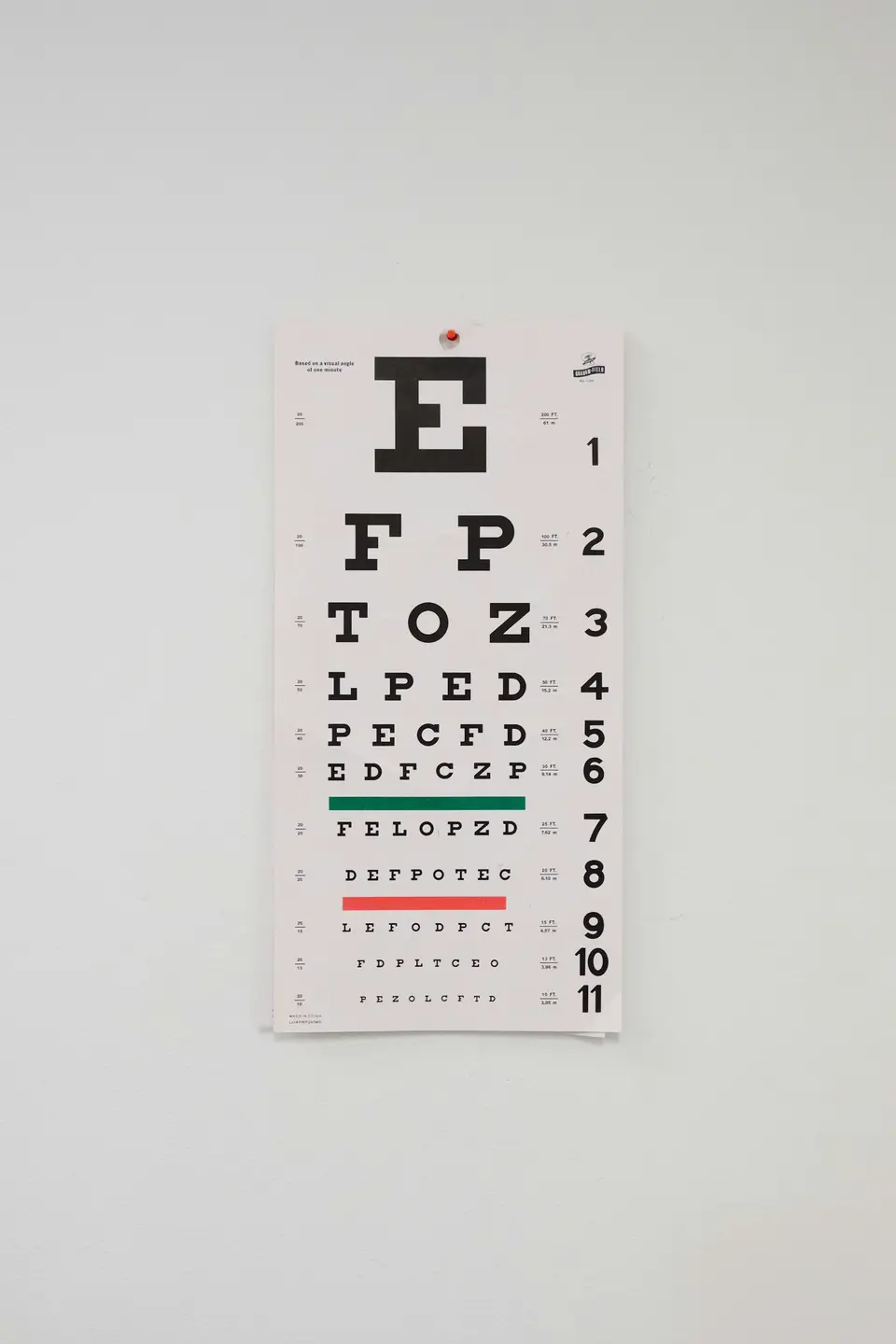
Children do not always report blurred vision. The World Health Organization lists squinting, rubbing the eyes, closing one eye, moving close to a screen and holding reading material unusually near as signs that should prompt a comprehensive eye examination.
The American Association for Pediatric Ophthalmology and Strabismus says a complete eye examination is the best way to identify refractive errors because a child may not complain when only one eye is affected. A screening result or a parent's observation cannot determine the prescription or select a myopia-control treatment.
Outdoor daylight helps, but no number guarantees normal vision
Build outdoor daylight into the daily schedule and break up long periods of close work. In its child-vision interview, the World Health Organization describes 90 minutes outdoors in daylight as a protective factor against childhood myopia and identifies prolonged near work and reduced outdoor time as risk factors.
That association is not a promise that a child will avoid myopia, and outdoor time does not correct existing refractive error. Children who already wear glasses still need follow-up on the schedule set by their eye care professional; treatment availability and regulatory status vary by country.
Compare vaccination records with the schedule where the child lives
Find the child's paper or electronic vaccination record before enrollment paperwork is due. The World Health Organization says vaccination cards in most countries show completed doses and doses still due, and it advises discussing missed recommended vaccinations with a health worker.
Do not copy a vaccine list from another country. National schedules reflect local disease patterns, policy and product availability, and the WHO notes that not every vaccine is needed in every country.
A 2025 World Health Organization planning tool says school vaccination checks can identify children who are unvaccinated or under-immunized and create opportunities for missed doses. It also makes clear that these programs require coordination between health and education systems, so families should confirm what their own school and health authority actually require.
Some children need an individualized return plan
Children with disabilities, chronic illness, sleep disorders, immune-suppressing treatment or regular medicines may need changes to sleep routines, school support or vaccination timing. Caregivers should bring the current treatment plan, medicine list and vaccination record to the relevant clinician or school health contact rather than applying general advice unchanged.
WHO guidance notes that some chronic illnesses, immune-affecting treatments, severe vaccine-component allergies and severe illness with fever can change whether a particular vaccine should be given or delayed. The decision depends on the vaccine and the child's condition, and it belongs with a health worker using the national schedule.
Frequently asked questions
How early should a school sleep routine begin?
There is no universal countdown. Start early enough to establish a consistent wake time and protect the age-appropriate sleep window; younger children with a late bedtime may need small, gradual changes.
Does a stomachache before school prove that a child is anxious?
No. Recurring symptoms may accompany school fear, but they do not establish a diagnosis and may need medical assessment. Persistent fear or refusal that disrupts attendance warrants professional evaluation.
Is more outdoor time enough to prevent myopia?
No. Outdoor daylight is associated with lower risk, but it does not guarantee normal vision or replace an eye examination when warning signs appear.
Which vaccines must be completed before school?
The answer depends on the country and sometimes the local jurisdiction. Compare the child's record with the applicable national schedule and ask the school or a health worker how missed doses are handled.
Sources and further reading
- Consensus statement on recommended sleep duration for healthy children(American Academy of Sleep Medicine)
- Sleep and young children(National Health Service in England)
- School refusal(American Academy of Child and Adolescent Psychiatry)
- Hospitalization for persons with self-harm(World Health Organization)
- Staying safe in adolescence and youth(World Health Organization)
- How can you protect your child's vision?(World Health Organization)
- Refractive errors in children(American Association for Pediatric Ophthalmology and Strabismus)
- Vaccines and immunization: What is vaccination?(World Health Organization)
- School vaccination checks planning tool(World Health Organization)