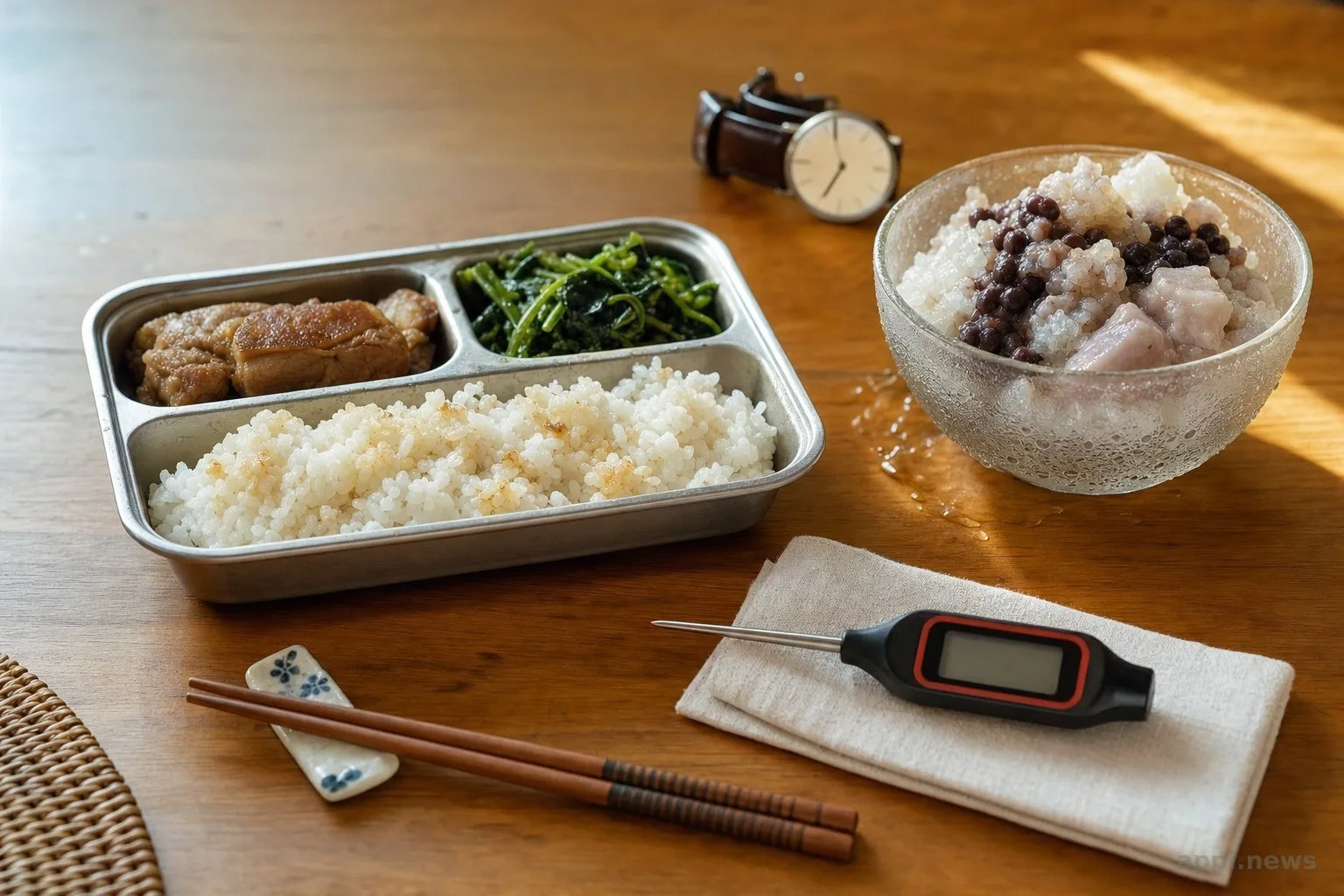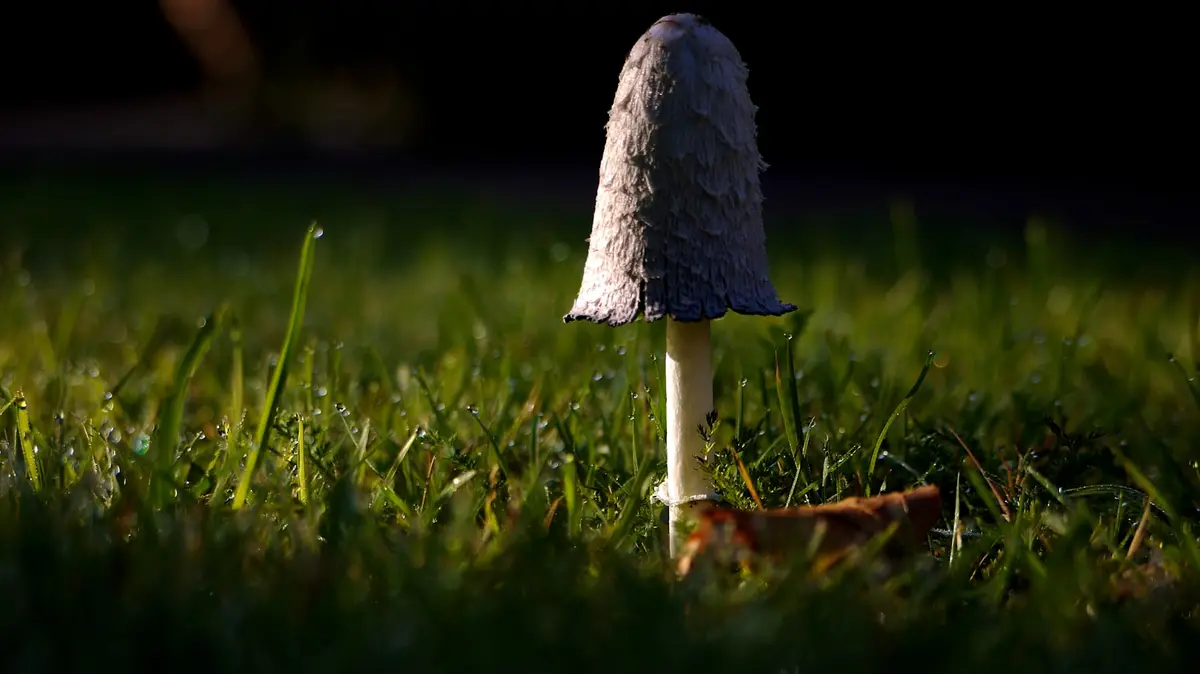
The US Centers for Disease Control and Prevention (CDC) recorded 39 suspected amatoxin mushroom poisonings in Northern California from November 18, 2025, to March 17, 2026; three patients needed liver transplants and four died. The report, published May 28, 2026, described the largest mushroom-associated hepatotoxic outbreak recorded in California.
The outbreak involved suspected amatoxin-containing Amanita mushrooms, not Chlorophyllum molybdites. The two can produce different timelines: C. molybdites is linked to rapid gastrointestinal illness, while amatoxin symptoms often begin more than six hours after ingestion. Timing alone cannot identify a mushroom or make home observation safe.
Suspected ingestion needs advice before symptoms start
Australia's New South Wales Health advises immediate poison-center contact after suspected wild-mushroom ingestion and says not to wait for symptoms. Its guidance gives a broad onset range of 30 minutes to 24 hours, depending on the species, amount eaten and general health. Outside Australia, the appropriate contact is the local poison center or urgent medical service, not the Australian number.
The World Health Organization (WHO) describes poison centers as services that advise on the diagnosis and management of poisoning and maintains a directory by country; only 47 percent of WHO member states had a center as of January 1, 2023. Where no public poison center is available, the local emergency medical service or hospital is the practical route. Service names and telephone numbers differ by country.
Call local emergency services immediately if the person stops breathing, collapses, has a seizure, develops severe breathing difficulty or cannot be awakened. Australia's Healthdirect lists breathing difficulty, blue lips, confusion, marked drowsiness, unconsciousness and seizures among serious poisoning signs. Repeated vomiting that prevents fluid intake, very little urine, blood in the stool, altered alertness or severe abdominal pain also needs prompt medical assessment.
Appearance and cooking cannot establish safety
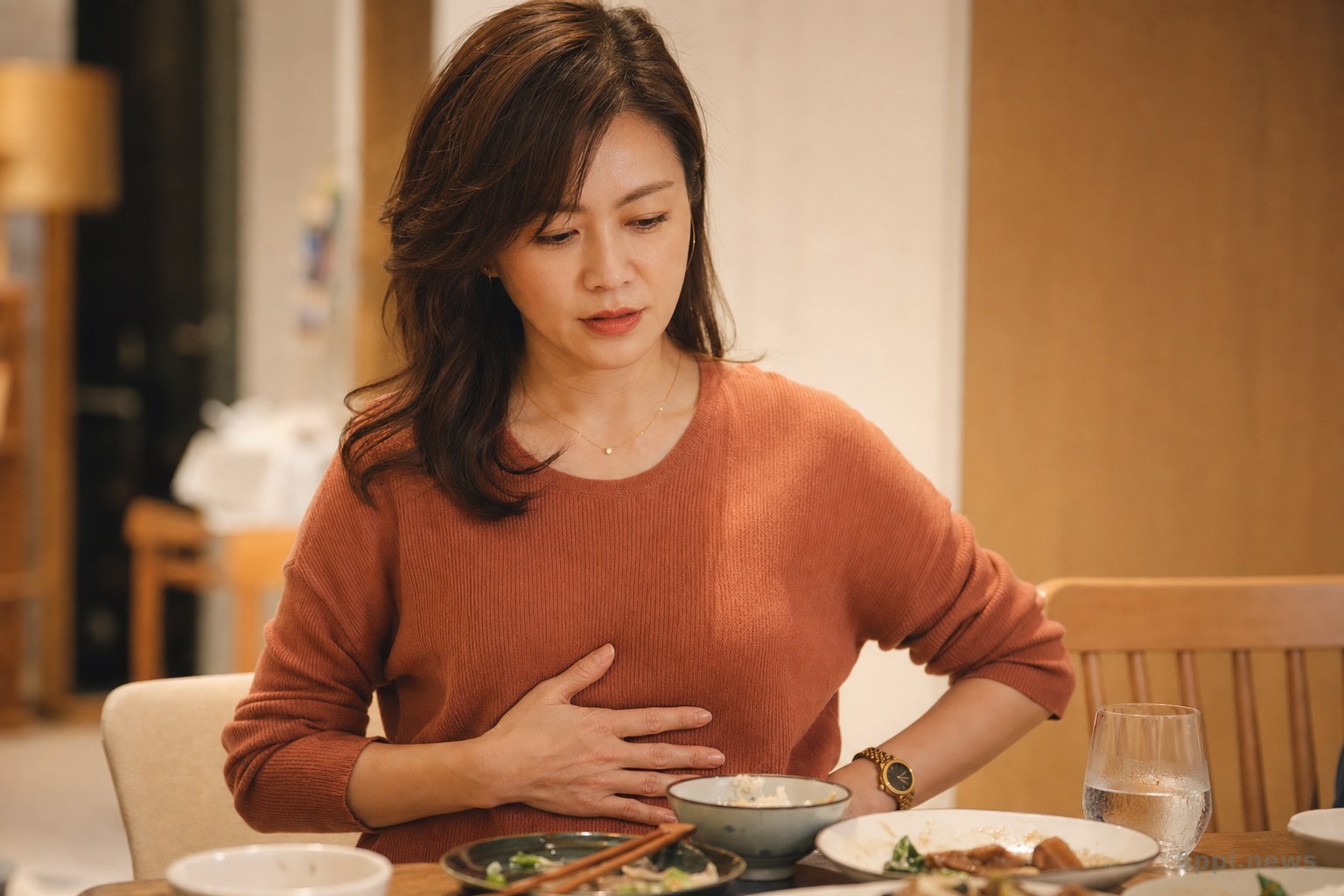
Australia's Queensland government says there is no simple, reliable test for a mushroom's safety and that even specialists can struggle because appearance changes with growth. Appearance, taste or a single photograph is therefore not a safety check. A photograph becomes useful after an exposure only as evidence for poison specialists or mycologists.
New South Wales Health says cooking, soaking, peeling or drying wild mushrooms does not remove their poison. Queensland gives the same warning. A cooked dish still counts as a suspected exposure when the mushroom was not reliably identified before use.
Chlorophyllum molybdites can cause rapid gut symptoms
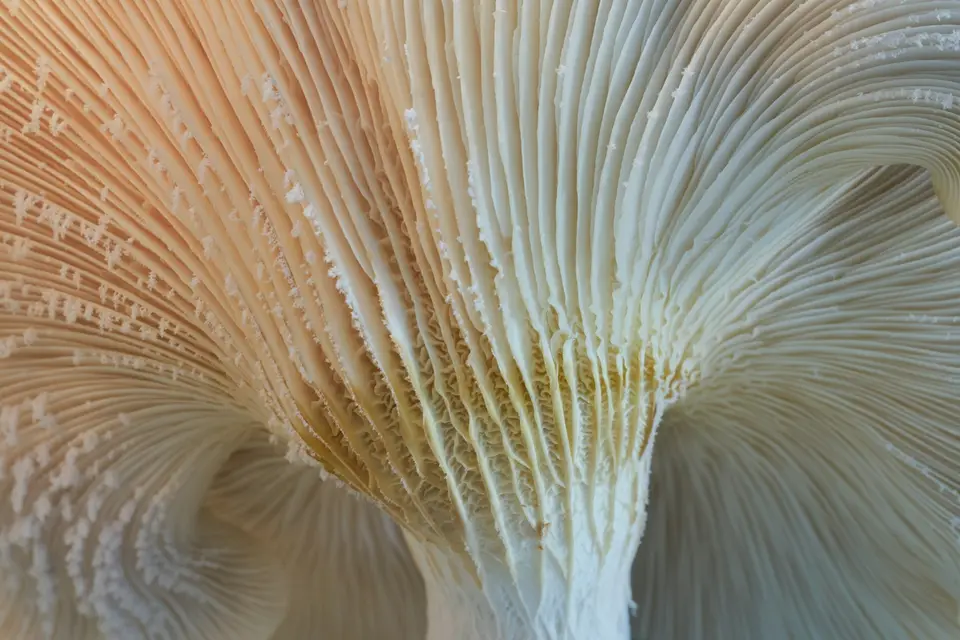
Queensland's species guidance describes Chlorophyllum molybdites, or green-spored parasol, as a lawn and garden mushroom whose initially white gills turn greenish as spores mature; it says symptoms usually begin within 30 minutes to two hours. The listed effects include severe vomiting and diarrhea, abdominal pain, possible intestinal bleeding, and substantial fluid and electrolyte loss. Those traits describe known specimens but do not form a safe foraging checklist.
The US Food and Drug Administration separately lists C. molybdites among gastrointestinal irritants with rapid-onset nausea, vomiting, diarrhea and abdominal cramps, and says vomiting or diarrhea can last for several days. Its handbook identifies dehydration and electrolyte imbalance as the main dangers from this group, particularly for very young, very old or debilitated patients. An onset inside the reported range supports concern but does not confirm the species.
Four steps after a suspected ingestion
The safest response is to preserve information and let a poison service decide the next step. These steps apply whether the mushroom was raw or cooked and whether symptoms have appeared.
- Stop the meal and prevent further exposure. Set aside the remaining mushrooms and food so nobody else eats them. Record the approximate ingestion time and amount.
- Contact the local poison center or urgent medical service. Report the age and general health of each person exposed, how the mushrooms were prepared, when they were eaten and any symptoms. Do not wait for illness before making contact.
- Do not induce vomiting or improvise a remedy. Queensland's guidance says not to induce vomiting or give anything to drink unless a poison center or medical professional directs it. Follow the case-specific instructions given by that service.
- Keep a sample and photographs. New South Wales Health advises taking a photograph or retaining a mushroom sample to help identification. Keep any remaining cooked food and tell the service whether other diners developed symptoms.
Children and medically vulnerable people need direct advice
Children
New South Wales Health identifies young children as a higher-risk group because they may put mushrooms found in gardens or parks into their mouths. Any suspected bite or ingestion warrants an immediate poison-center call even when the amount is uncertain and no symptoms are present. Vomiting should not be induced.
Pregnancy
APPI News could not find one internationally adopted pregnancy-specific first-aid sequence for wild-mushroom poisoning at the time of writing. A pregnant person with a suspected ingestion should contact a poison center and the maternity or medical clinician managing the pregnancy without waiting for symptoms. Collapse, a seizure, breathing difficulty or loss of consciousness still requires local emergency services.
Older adults, chronic illness and regular medicines
The US Food and Drug Administration says dehydration and electrolyte imbalance from gastrointestinal mushroom poisoning pose particular danger to very old or debilitated patients. Older adults and people with chronic illness or regular medicines should report those details at the first call to a poison specialist or clinician. General hydration or symptom-relief advice should not replace individual directions.
Frequently asked questions
Can a wild mushroom be cleared for eating from a photograph?
No. A photograph may help a poison service or mycologist assess an exposure, but it cannot prove that a mushroom is edible before a meal. Similar-looking species and changes during growth make image matching unreliable as a safety decision.
Does cooking make a poisonous mushroom safe?
No. Official guidance from New South Wales and Queensland says cooking, soaking, peeling or drying does not make a poisonous wild mushroom safe. Heating a mushroom does not change the need for poison-center advice after a suspected ingestion.
Should vomiting be induced after a wild mushroom is eaten?
No. Induced vomiting can cause harm and should not be attempted unless a poison specialist or medical professional gives case-specific instructions. Contact the local poison center or urgent medical service instead.
Does feeling well after six hours rule out poisoning?
No. Some mushroom syndromes begin quickly, while the CDC says gastrointestinal symptoms from amatoxin poisoning often start more than six hours after ingestion. A symptom-free interval does not replace poison-center or clinical assessment.
Sources and further reading
- Amanita Species Mushroom Poisonings: Northern California, November 2025-March 2026(US Centers for Disease Control and Prevention)
- Wild mushroom poisoning(New South Wales Health, Australia)
- Mushroom poisoning(Queensland Government, Australia)
- World directory of poisons centres(World Health Organization)
- Poisoning(Healthdirect Australia)
- Bad Bug Book: Handbook of Foodborne Pathogenic Microorganisms and Natural Toxins(US Food and Drug Administration)