The World Health Organization (WHO) said in a June 2026 update that unsafe food causes an estimated 866 million illnesses and 1.52 million deaths worldwide each year. WHO lists nausea, vomiting, abdominal pain, diarrhea, fever and headache among the symptoms associated with major foodborne infections.
Those symptoms do not prove that food caused an illness. Viruses spread from another person, medication side effects and urgent abdominal conditions can produce overlapping complaints, so the pattern and severity guide the next step rather than establish a diagnosis.
Symptoms may begin hours or days after exposure
Foodborne illness commonly causes diarrhea, nausea, vomiting and abdominal cramps. Fever, headache and weakness can also occur, while blood or mucus in the stool may point to a more inflammatory illness that needs clinical assessment.
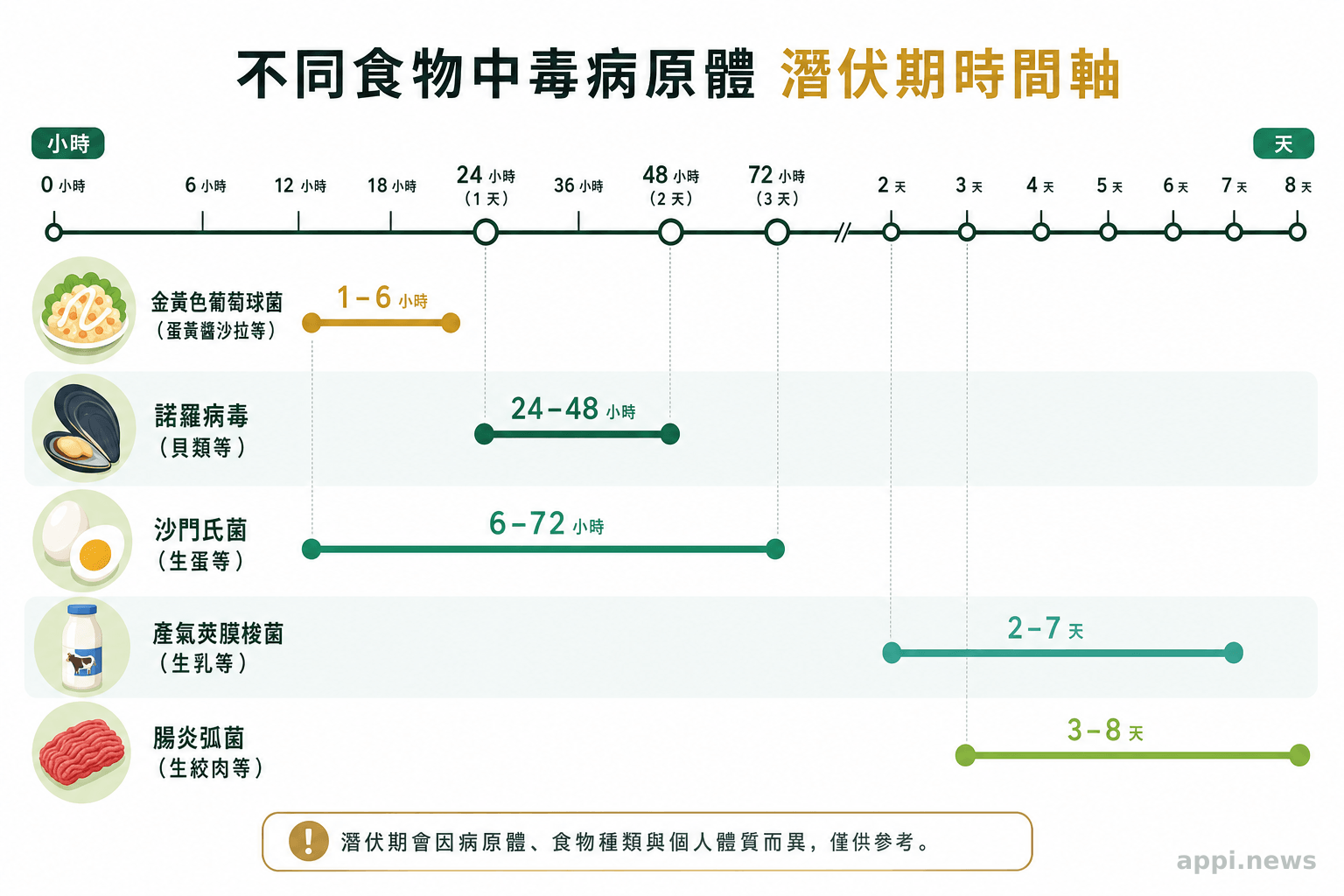
The last meal is often not the source. The US Centers for Disease Control and Prevention (CDC) says symptoms often begin two to three days after contaminated food is eaten and advises recording food, restaurants and events from the previous week. Some toxin-mediated illnesses begin within hours, while some bacterial infections take days or longer.
These warning signs need prompt medical assessment
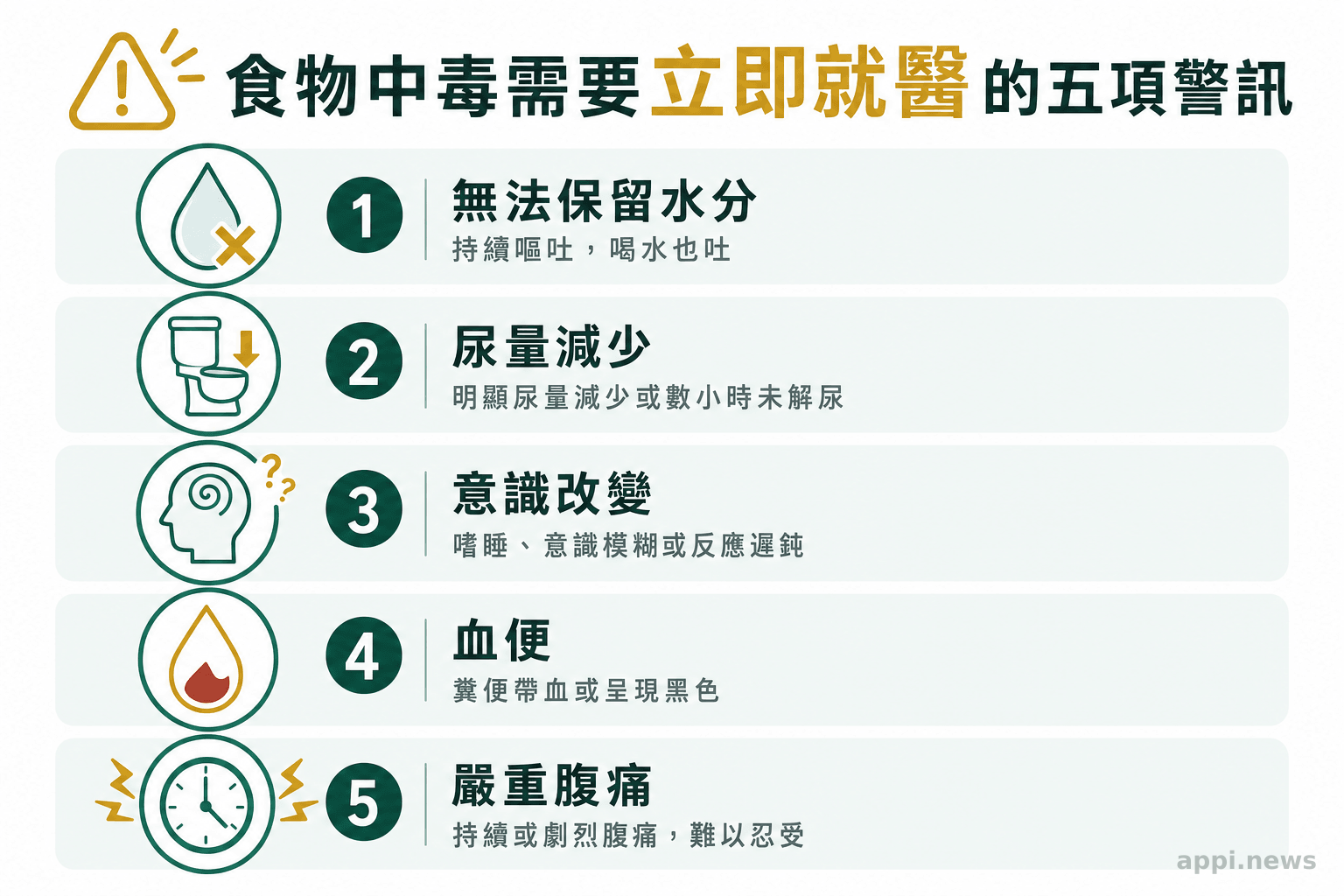
Urgent medical assessment is warranted when vomiting makes it impossible to keep liquids down, urine becomes very scant or stops, or dizziness, confusion, unusual drowsiness or marked weakness develops. Blood in the stool, severe or worsening abdominal pain, a swollen or very tender abdomen, and a high or persistent fever also require prompt care.
A child who is lethargic, cannot drink, drinks poorly or has markedly reduced urination needs urgent assessment. WHO identifies dehydration as the main immediate threat from diarrhea and advises consulting a health professional when diarrhea persists, blood appears in the stool or signs of dehydration develop.
Severe, localized or rebound abdominal tenderness can signal a problem other than uncomplicated gastroenteritis. A 2025 adult acute-gastroenteritis review in the Singapore Medical Journal identifies severe dehydration, signs of a surgical abdomen and high-risk patient characteristics as red flags for further evaluation or hospital care.
Fluids come before attempts to stop diarrhea
People who remain alert and can drink should replace lost fluid and salts. Oral rehydration solution is formulated with water, glucose and electrolytes for that purpose; small, repeated sips may be easier to tolerate when nausea is present. Severe dehydration or shock may require intravenous fluids in a medical setting.
Urination provides a useful warning signal, though it is not a precise measure of hydration. Much less urine than usual, very dark urine, a dry mouth, intense thirst or dizziness on standing should move the decision toward clinical care, especially when fluid losses continue.
Medicines that slow bowel movement are not suitable for every episode. CDC clinical guidance says antidiarrheal medicines should be avoided when diarrhea occurs with blood in the stool or a high fever because they may worsen the illness. A clinician or pharmacist can check whether a medicine is appropriate for the symptoms, age, pregnancy status, chronic conditions and other medicines being taken.
Higher-risk groups need separate decisions
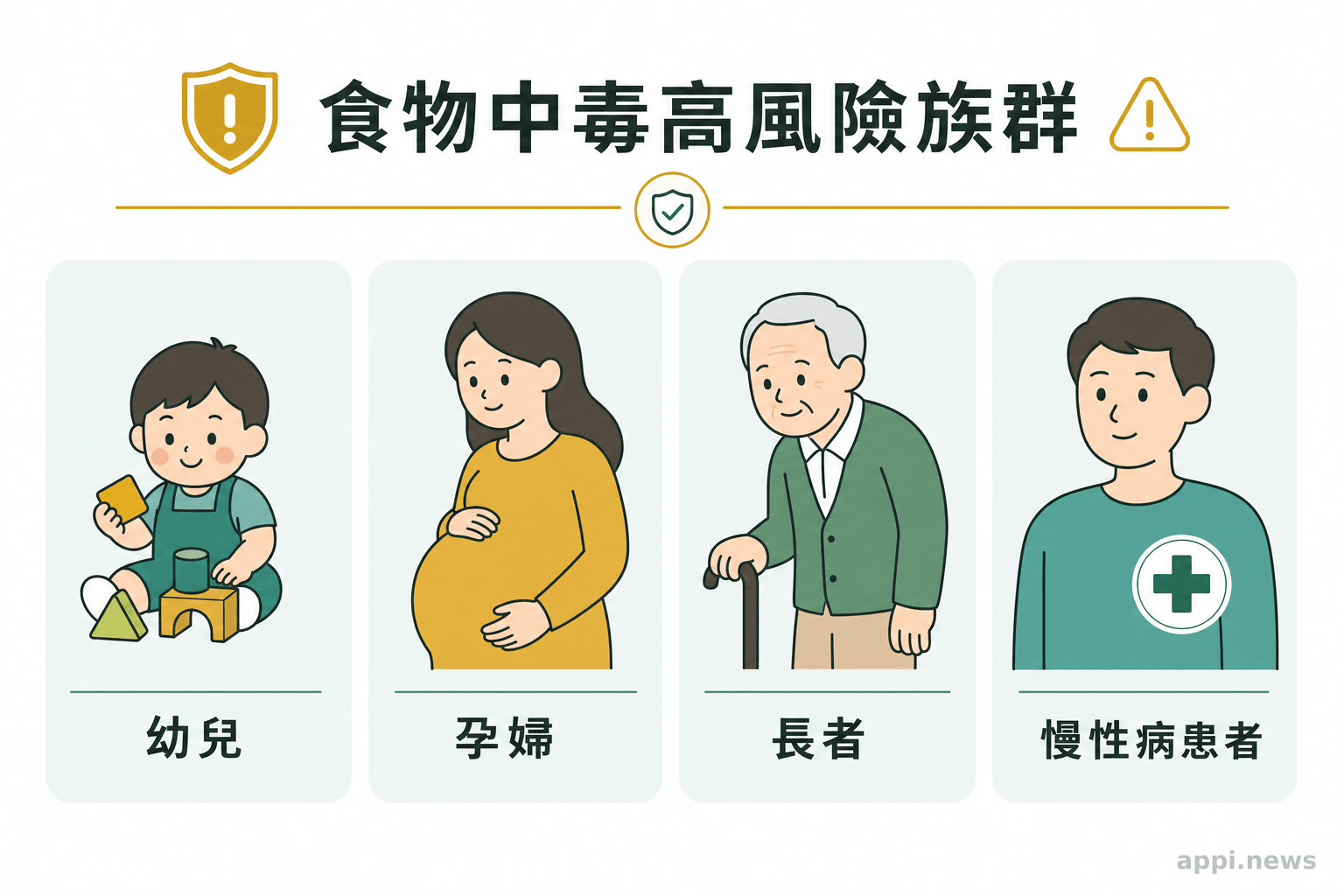
The CDC identifies children under five, pregnant people, adults aged 65 and older, and people with weakened immune systems as groups more likely to become severely ill from contaminated food. This United States guidance is consistent with the groups highlighted in WHO food-safety material, but the route into care differs by country.
Infants and children
Young children can become dehydrated quickly and should not receive adult self-care instructions. A caregiver should contact a clinician when a child has repeated vomiting or diarrhea, drinks poorly, urinates much less, becomes unusually sleepy or irritable, or has blood in the stool.
Pregnancy
Some foodborne infections can affect a pregnancy even when gastrointestinal symptoms appear mild. Pregnant people should contact a maternity or medical clinician early about fever, vomiting, diarrhea or a known exposure to recalled food rather than relying on general adult advice.
Older adults
Older adults may have less reserve during rapid fluid loss and may not notice thirst early. New confusion, weakness, dizziness or reduced urination should prompt clinical assessment rather than waiting for gastrointestinal symptoms to become severe.
Chronic illness, immune suppression and regular medicines
People with kidney, liver or heart disease, diabetes, cancer, immune suppression or other complex conditions should contact a clinician earlier because dehydration and infection can affect them differently. Regular medicines may also change what fluids or symptom-relief products are appropriate.
A written timeline can help clinicians and investigators
A useful record includes when symptoms began, how vomiting and diarrhea changed, whether fluids stayed down, and how often urination occurred. It should also cover meals, snacks, restaurants, gatherings and animal contact during the previous week, along with whether other people became ill.
Receipts, packaging and recall notices can help public-health investigators connect cases. When several people become ill after a shared meal or a recalled product may be involved, the incident can be reported to the appropriate local food-safety or public-health authority. Agency names, reporting thresholds and procedures vary by country.
Frequently asked questions
Can symptoms identify which food caused the illness?
No. Incubation periods vary, and the responsible food is often not the last thing eaten. A food and activity record from the previous week is more useful than choosing one meal based on timing alone.
When does diarrhea require medical care?
Blood in the stool, signs of dehydration, repeated vomiting that prevents drinking, altered alertness, severe abdominal pain, or a high or persistent fever call for prompt assessment. Children and higher-risk adults may need care earlier.
Should food poisoning be treated with an antidiarrheal medicine?
Not automatically. Medicines that slow the bowel can be unsafe when blood or high fever is present, and suitability also depends on age, pregnancy, health conditions and other medicines.
Which department or clinic handles suspected food poisoning?
Health systems use different names and referral routes. Local urgent-care or primary-care services can assess stable patients, while severe dehydration, confusion, inability to drink or severe abdominal pain warrants the local emergency service.
Sources and further reading
- Food safety(World Health Organization)
- Diarrhoea(World Health Organization)
- Acute gastroenteritis in adults(Singapore Medical Journal via PubMed Central)
- Clinician Brief: Food Safety(US Centers for Disease Control and Prevention)
- What to Do if You Think You Have Food Poisoning(US Centers for Disease Control and Prevention)
- People at Increased Risk for Food Poisoning(US Centers for Disease Control and Prevention)