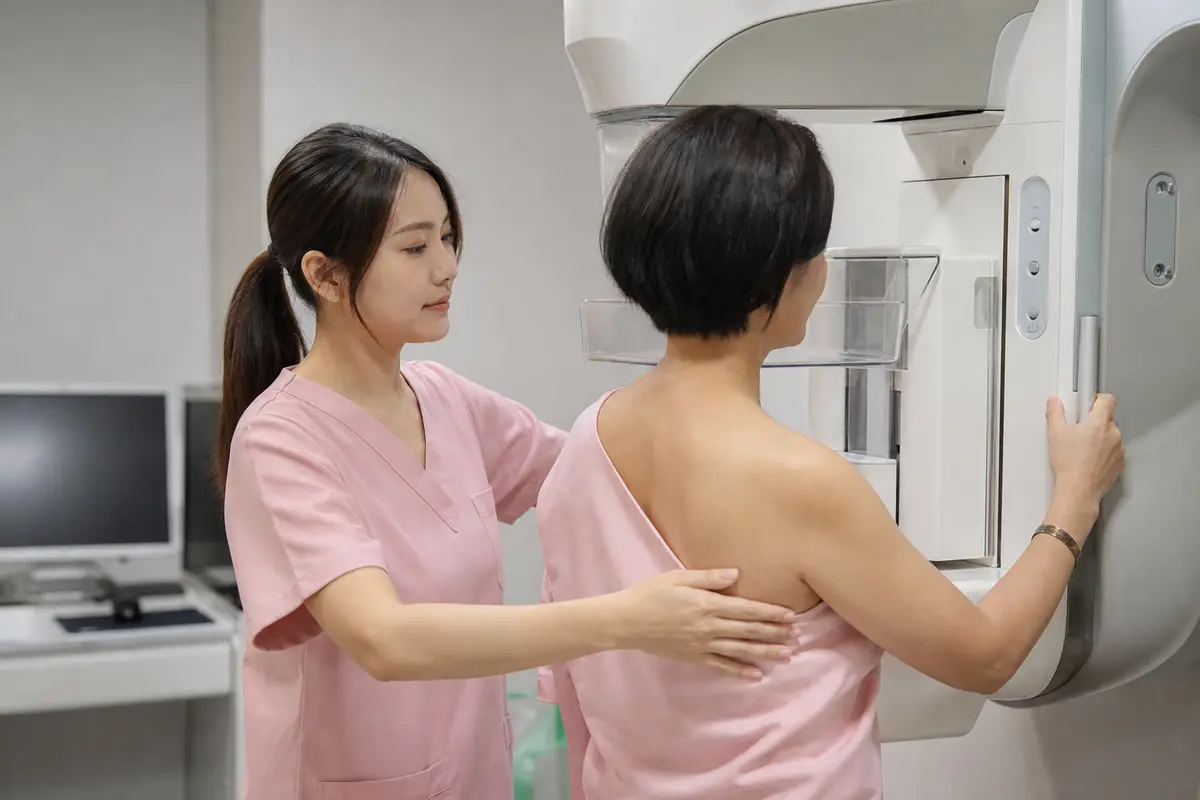
The World Health Organization (WHO) said in a fact sheet updated July 3, 2026, that regular cervical screening remains necessary after human papillomavirus (HPV) vaccination because cervical precancers rarely cause symptoms. Vaccination reduces the chance of infection with covered HPV types; screening looks for high-risk HPV or cervical cell changes before cancer develops.
WHO attributes almost all cervical cancer cases to oncogenic HPV and says persistent cervical infection can produce precancerous lesions that, if untreated, cause about 95 percent of cases. A positive HPV result is not a cancer diagnosis, and vaccination does not make future screening unnecessary.
Symptoms need assessment, not a screening appointment
Routine cervical screening is designed for people without symptoms. WHO advises clinical consultation for bleeding between periods, after sex or after menopause; increased or foul-smelling vaginal discharge; persistent back, leg or pelvic pain; or leg swelling.
These signs can have causes other than cancer, but they should not wait for the next routine screen. Australia's government-funded Healthdirect service advises emergency help when vaginal bleeding is very heavy or the person feels faint or close to passing out; people elsewhere should use their local urgent-care or emergency service.
Vaccination cuts risk but does not cover every high-risk type
WHO says HPV types 16 and 18 cause around 76 percent of cervical cancers and that the vaccines described in its 2026 fact sheet protect against both types. The 76 percent estimate is not a product-specific efficacy rate or a calculation of an individual's remaining risk.
The US National Cancer Institute (NCI) says vaccinated people who have a cervix should follow cervical screening recommendations because vaccination does not prevent infection with every high-risk HPV type. Screening is a separate prevention step, not a test of whether vaccination worked.

HPV testing and Pap cytology answer different questions
NCI describes an HPV test as a check for infection with high-risk HPV types and a Pap test, also called cervical cytology, as an examination of collected cervical cells for abnormal changes; an HPV/Pap cotest checks both. These tests may use the same cervical sample, but they report different findings.
A positive HPV result means high-risk HPV was found, while an abnormal Pap result means some cervical cells look different; neither result alone means cancer. Follow-up can include repeat testing, colposcopy or biopsy and depends on the current result, earlier results, prior treatment and age.
Like a positive fecal immunochemical test that prompts colonoscopy rather than a colorectal cancer diagnosis, an abnormal cervical screen starts a follow-up pathway instead of naming the disease. A screening result and a diagnostic conclusion are not interchangeable.
The source article described routine HPV screening as measuring viral activity and concentration. APPI News could not verify that claim in the WHO or US NCI materials reviewed, which describe screening as detection of high-risk HPV, so the claim is not repeated here.
WHO guidance is not a worldwide appointment calendar
WHO recommends a high-performance screening test every five to 10 years from age 30 for the general population of women and every three to five years from age 25 for women living with human immunodeficiency virus (HIV). It also sets a global target for 70 percent of women to be screened with a high-performance test by age 35 and again by age 45, but that population target is not a personal appointment schedule.
WHO says screening should follow national guidance. Starting ages, intervals, test choice, payment, availability and referral routes must therefore be checked in the country where care is received rather than copied from another country's program.

Pregnancy and immune status can change the pathway
The US NCI says HPV infections are more likely to persist and progress in people with weakened immune systems, including those taking medicines that suppress immune responses. Average-risk intervals may not apply to this group, and screening guidance does not provide a basis for changing prescribed medicine.
The National Health Service (NHS) in England says a routine screening invitation during pregnancy may be postponed until about three months after the baby is due, while repeat testing after a previous abnormal result can still take place during pregnancy. This is an England-specific process, not a worldwide rule; pregnant people should confirm timing with their local screening service and clinical team.
The adult screening ages in this report do not apply to children. The US NCI also notes that a person whose uterus and cervix were removed for benign reasons may not need routine cervical screening, while someone whose cervix remains or whose surgery followed cervical precancer or cancer needs a different pathway.
False results and extra procedures are part of the trade-off
The US NCI lists false-positive and false-negative results among the harms of cervical screening; false positives can lead to anxiety, colposcopy and other procedures, while false negatives can delay assessment if symptoms are ignored. Recommended intervals are designed in part to limit unnecessary follow-up and treatment of cell changes that might resolve without intervention.
A normal result does not explain new symptoms, and an abnormal result should not be treated as a cancer diagnosis. Completing the follow-up recommended by the local program or clinician is part of the screening pathway.
Frequently asked questions
Does HPV vaccination remove the need for cervical screening?
No. WHO says screening remains necessary after vaccination because precancers rarely cause symptoms, and NCI says vaccination does not prevent every high-risk HPV infection.
Do HPV and Pap tests find the same thing?
No. An HPV test looks for high-risk HPV infection, while Pap cytology looks for abnormal cervical cells; cotesting checks both.
Does a positive HPV test mean cervical cancer?
No. It means high-risk HPV was detected, and the next step depends on the exact result, prior screening history and the pathway used by the local program.
What starting age and interval apply?
WHO's benchmark is age 30 and every five to 10 years for the general population of women, with earlier and more frequent screening for women living with HIV. National programs can use different ages, tests and intervals.
Should unusual bleeding wait for routine screening?
No. Bleeding between periods, after sex or after menopause needs clinical assessment, while very heavy bleeding or faintness requires urgent help.
Does pregnancy automatically cancel screening?
No global rule says that. Timing depends on the country, the reason for the test and any previous abnormal result.
Sources and further reading
- Cervical cancer(World Health Organization)
- Cervical Cancer Screening(US National Cancer Institute)
- HPV and Pap Test Results: Next Steps after an Abnormal Test(US National Cancer Institute)
- Cervical Cancer Causes, Risk Factors, and Prevention(US National Cancer Institute)
- Bleeding between periods(Healthdirect Australia)
- How to book cervical screening(National Health Service in England)