Clinical oral exams flag suspicious lesions but do not diagnose cancer
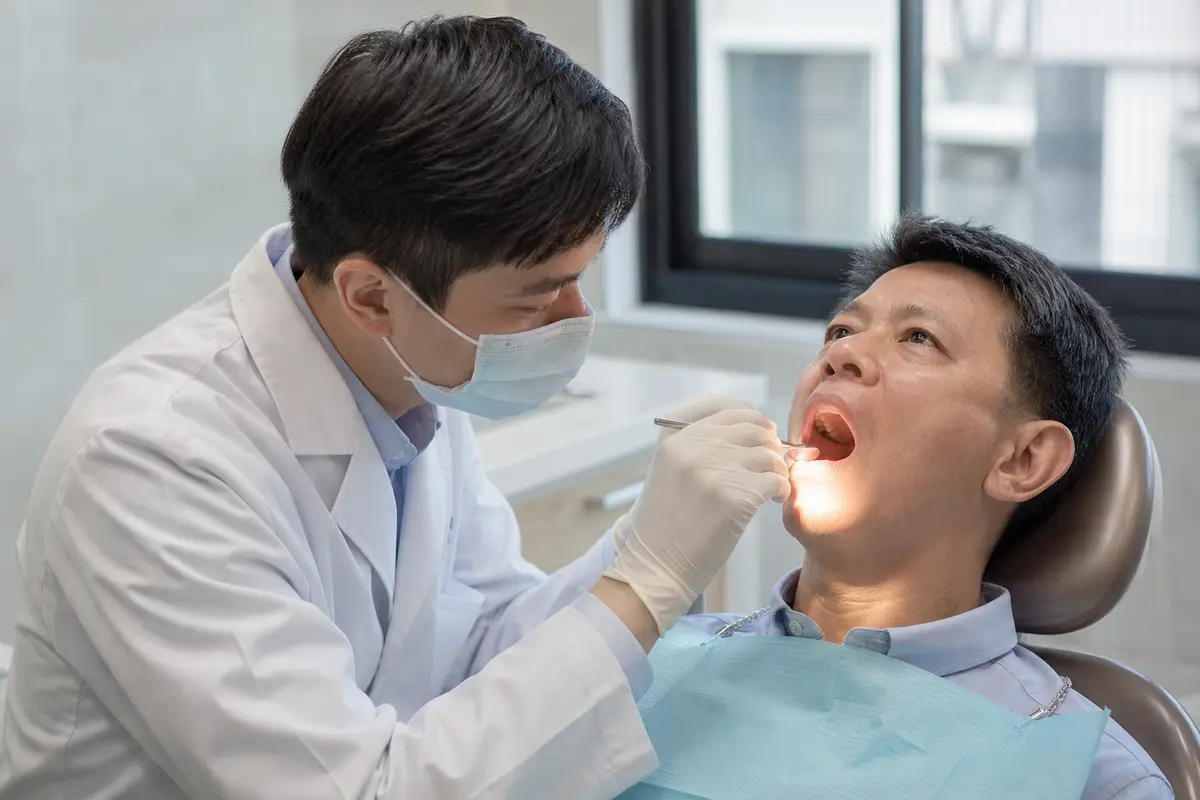
The International Agency for Research on Cancer says clinical oral examination may reduce oral cancer mortality in people exposed to tobacco, areca nut or alcohol. The exam uses visual inspection and palpation to find suspicious lesions, but a positive result requires diagnostic follow-up and a negative result cannot rule out cancer.