The European Food Safety Authority (EFSA) sets adequate total-water intakes at 2.0 liters a day for adult women and 2.5 liters for adult men. The totals include water from food and every beverage, so neither number is a target for plain water alone.
Body size can affect water needs, but a body-weight multiplication does not account for food, climate, exercise, pregnancy, illness or medicines. APPI News could not verify the widely circulated weight-times-30-milliliter formula in the cited EFSA tables or exercise-hydration review.
Confusion, breathing difficulty or a seizure needs urgent care
Seek urgent medical help for sudden confusion, difficulty breathing, a seizure, loss of consciousness or unusual difficulty waking someone. These signs can occur with serious dehydration, heat illness or low blood sodium and cannot be safely sorted out with a home water calculation.
The United Kingdom's National Health Service (NHS) says persistent dizziness on standing, dark urine, reduced urination, rapid breathing or a fast heart rate can indicate serious dehydration that needs urgent assessment. Confusion, abnormal sleepiness, breathing difficulty or cold and blotchy skin can signal shock and require emergency care.
Do not force a large volume of water into someone who is confused, drowsy, vomiting repeatedly or having a seizure. Follow the local emergency service's instructions while help is coming.
EFSA's reference includes food and all drinks
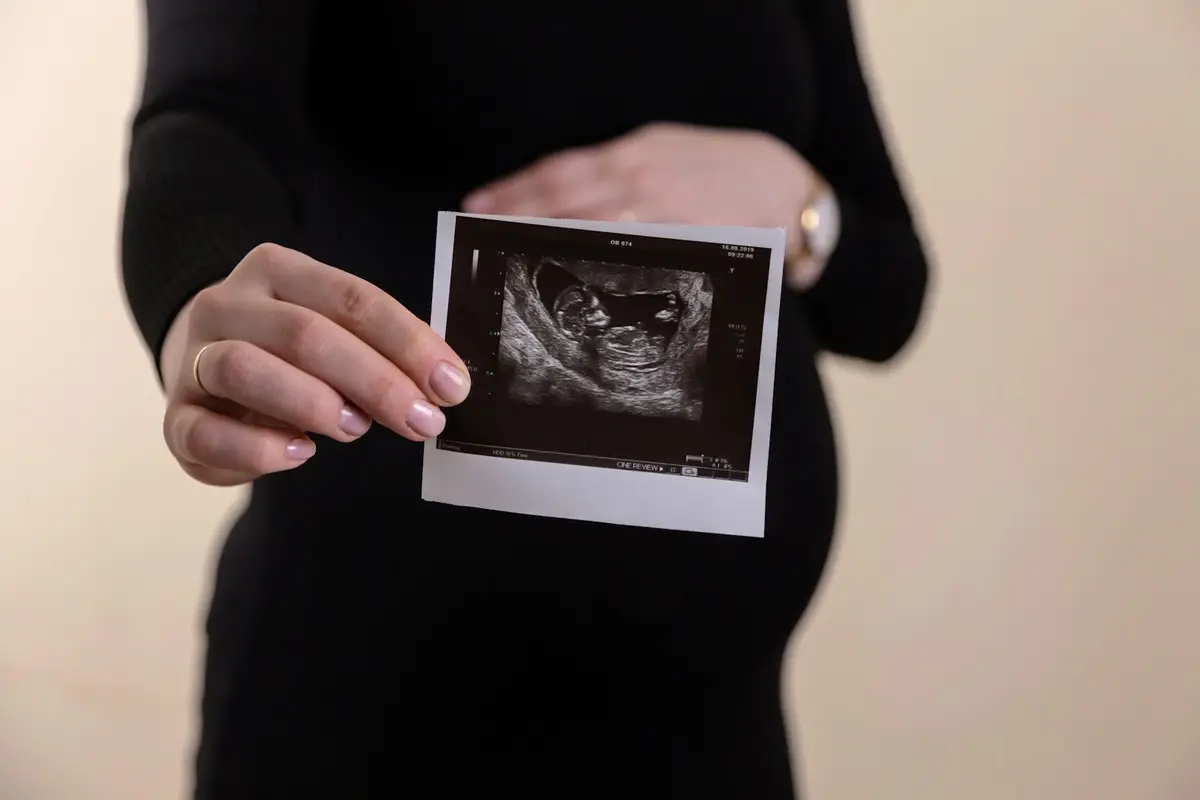
EFSA's reference tables set adequate total-water intake at 2.0 liters a day for adult women and 2.5 liters for adult men, with the same figures from age 14. The tables set 2.3 liters during pregnancy and 2.7 liters during breastfeeding.
These are adequate intakes, not individualized prescriptions. National authorities may use different values or terms, and water losses rise when sweating, vomiting or diarrhea increases.
The definition covers plain water, milk, tea, coffee and other beverages, plus moisture in soup, fruit, vegetables and other foods. A person who receives substantial water from food does not need to drink the entire EFSA total as plain water.

A water target should account for food, activity, weather and health rather than body weight alone (illustrative image).
The weight-times-30 formula is not a universal standard
Multiplying body weight in kilograms by 30 milliliters gives 1.5 liters for a 50-kilogram adult, 1.8 liters for a 60-kilogram adult and 2.1 liters for a 70-kilogram adult. The arithmetic is straightforward, but the result does not state whether food moisture is included and cannot identify extra losses or a medical need to restrict fluid.
The formula also creates false precision. Two people at the same weight may have different needs because of temperature, humidity, clothing, physical work, fever, vomiting, diarrhea, pregnancy, breastfeeding or medicines that increase urine output. A national reference or a clinician's plan for the relevant group is a better starting point.
Thirst and urine color provide signals, not a diagnosis
The NHS lists thirst, dark yellow strong-smelling urine, less frequent urination, dizziness, tiredness and a dry mouth among common signs of dehydration. It advises drinking enough in ordinary circumstances for urine to remain pale and increasing fluids when sweating, vomiting or diarrhea raises losses.
Urine color is affected by medicines, supplements, foods and medical conditions, while clear urine does not prove that blood sodium is normal. Persistent thirst, an unexplained major change in urination or symptoms that continue despite drinking need clinical assessment.
Exercise plans should avoid both underdrinking and overdrinking
Heat, exercise duration, intensity, clothing and individual sweat rate all change fluid loss. A fixed instruction to drink a set amount every 15 minutes can therefore be too little for one person and too much for another.
A 2017 nephrology review identifies drinking beyond thirst as a primary cause of exercise-associated hyponatremia and says sports drinks do not prevent it when athletes overdrink. Excess intake can dilute blood sodium, and the review recommends drinking according to thirst during and immediately after exercise.
A recreational session and a long endurance event do not require the same strategy. Anyone planning prolonged activity in heat, particularly after a previous heat illness or low-sodium episode, needs an event-specific plan that considers opportunities to drink and measured changes in body weight.
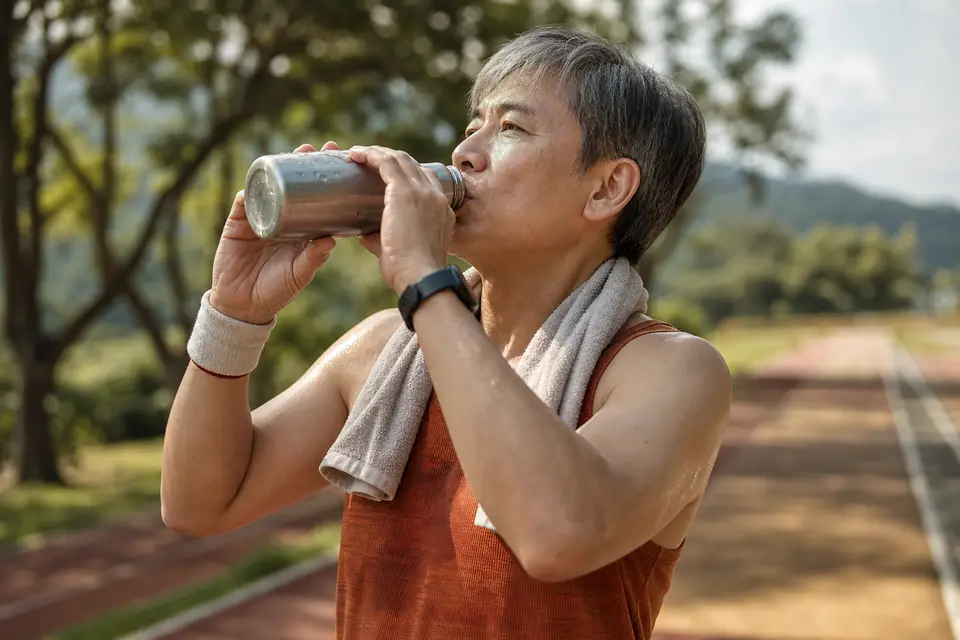
Exercise fluid needs depend on conditions and individual losses, while overdrinking can lower blood sodium (illustrative image).
Water, other drinks and food all contribute
Plain water is one source of the day's total, not the only one. Milk, tea, coffee, soups, fruit and vegetables all contribute water, although their energy, sugar, caffeine and sodium content differs.
The World Health Organization says free sugars should remain below 10 percent of daily energy and includes sugars added to beverages in that limit. A sugary drink can supply fluid while also increasing free-sugar intake, which is why it is not nutritionally interchangeable with plain water.
Children, pregnancy and chronic illness need separate plans
Infants and children
EFSA publishes age-specific total-water values for infants and children, so the adult formula should not be scaled down by body weight. Feeding method, age, illness and growth matter. A child with fewer wet diapers or trips to the toilet, no tears, drowsiness or rapid breathing needs prompt clinical advice.
Pregnancy and breastfeeding
EFSA adds 300 milliliters a day to its adult female adequate intake during pregnancy and 700 milliliters during breastfeeding. These remain population references. Vomiting, fever, heat exposure or a pregnancy complication can change the plan and calls for clinical guidance.
Kidney disease and prescribed fluid restrictions
The US National Kidney Foundation says people with advanced chronic kidney disease or kidney failure may need a fluid limit set by their healthcare team. The safe amount depends partly on remaining urine output and treatment, so a general adult target or weight formula should not replace that prescription.
People already given a fluid restriction should count beverages and foods that are liquid at room temperature according to their clinical plan. They should not increase or reduce that limit without advice from the treating team.
Frequently asked questions
Does an adult need eight glasses of plain water every day?
No single glass count fits every adult. EFSA's adult figures cover total water from food and all beverages under moderate conditions, while individual needs and national guidance vary.
Can body weight be used to calculate water intake?
Weight is relevant, but multiplying kilograms by 30 milliliters is not a complete prescription. It omits food moisture, environmental losses, pregnancy, illness, medicines and clinical fluid limits.
Do coffee and tea count?
They contribute to total water under EFSA's definition. Their caffeine, sugar and energy content still matters, so counting their water does not make every drink nutritionally equivalent.
Should sports drinks replace water during exercise?
Not automatically. The activity, heat exposure, duration, sweat loss and food intake shape the choice, and an electrolyte drink can still contribute to exercise-associated hyponatremia if total fluid intake is excessive.
Can someone with kidney disease follow the EFSA total?
Not without checking whether the condition or treatment changes fluid handling. Advanced chronic kidney disease and dialysis may require an individualized limit from the treating team.
Sources and further reading
- Summary of Dietary Reference Values(European Food Safety Authority)
- Dehydration(United Kingdom National Health Service)
- Exercise-Associated Hyponatremia: 2017 Update(Frontiers in Medicine)
- Healthy hydration and your kidneys(National Kidney Foundation)
- Healthy diet(World Health Organization)