A 2024 colorectal surgery guideline recommends dietary and behavioral changes as first-line care for symptomatic hemorrhoids. Medication may ease some symptoms, but persistent bleeding, severe pain or prolapse can require examination and a procedure.
Hemorrhoids are vascular cushions in and around the anal canal. Internal hemorrhoids commonly cause bright-red bleeding or tissue that protrudes through the anus, while external hemorrhoids are more likely to cause a tender lump or pain. Symptoms alone cannot confirm the diagnosis because fissures, inflammatory bowel disease and colorectal cancer can also cause rectal bleeding.
Rectal bleeding should not be assumed to be hemorrhoids
The US National Institute of Diabetes and Digestive and Kidney Diseases says people should seek medical help for rectal bleeding or for symptoms that remain after one week of home care. The agency notes that internal hemorrhoids can produce bright-red blood on stool, toilet paper or in the toilet bowl, but that similar symptoms occur with other digestive diseases.
The same US institute advises immediate medical care when severe anal pain and rectal bleeding occur with abdominal pain, diarrhea or fever. The United Kingdom's National Health Service directs people to emergency care for nonstop bleeding, a large amount of blood, large blood clots or severe pain.
New or recurrent bleeding after an earlier hemorrhoid diagnosis warrants clinical review. The 2024 guideline from the American Society of Colon and Rectal Surgeons (ASCRS) says selected patients with hemorrhoid symptoms and rectal bleeding need endoscopic evaluation, based on personal history, family history, examination findings and whether bleeding continues after treatment.
Fiber and bowel habits come first
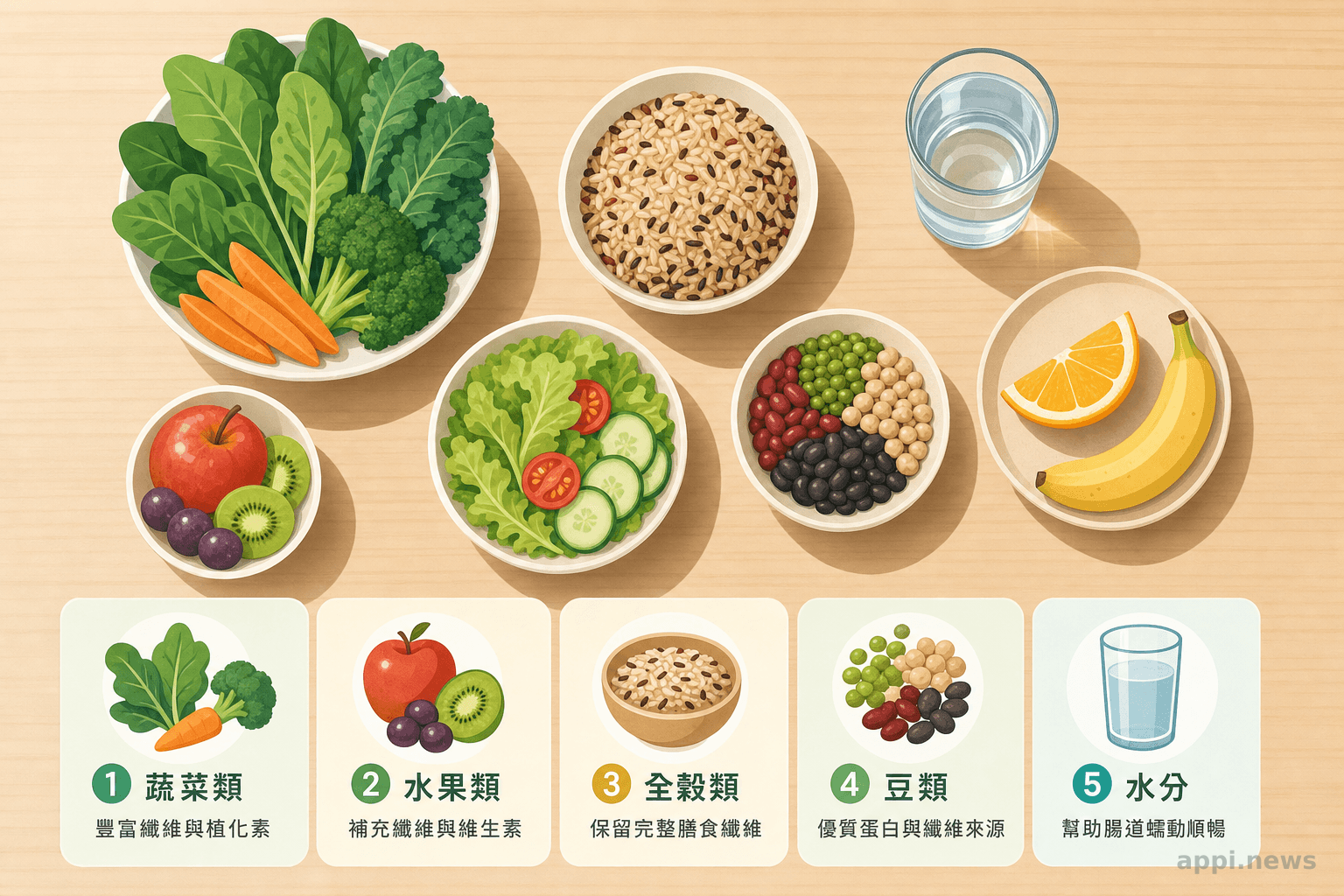
The ASCRS guideline gives a strong recommendation, based on moderate-quality evidence, for dietary and behavioral changes as first-line treatment. It identifies constipation, straining and prolonged toilet sitting as factors that can contribute to symptoms.
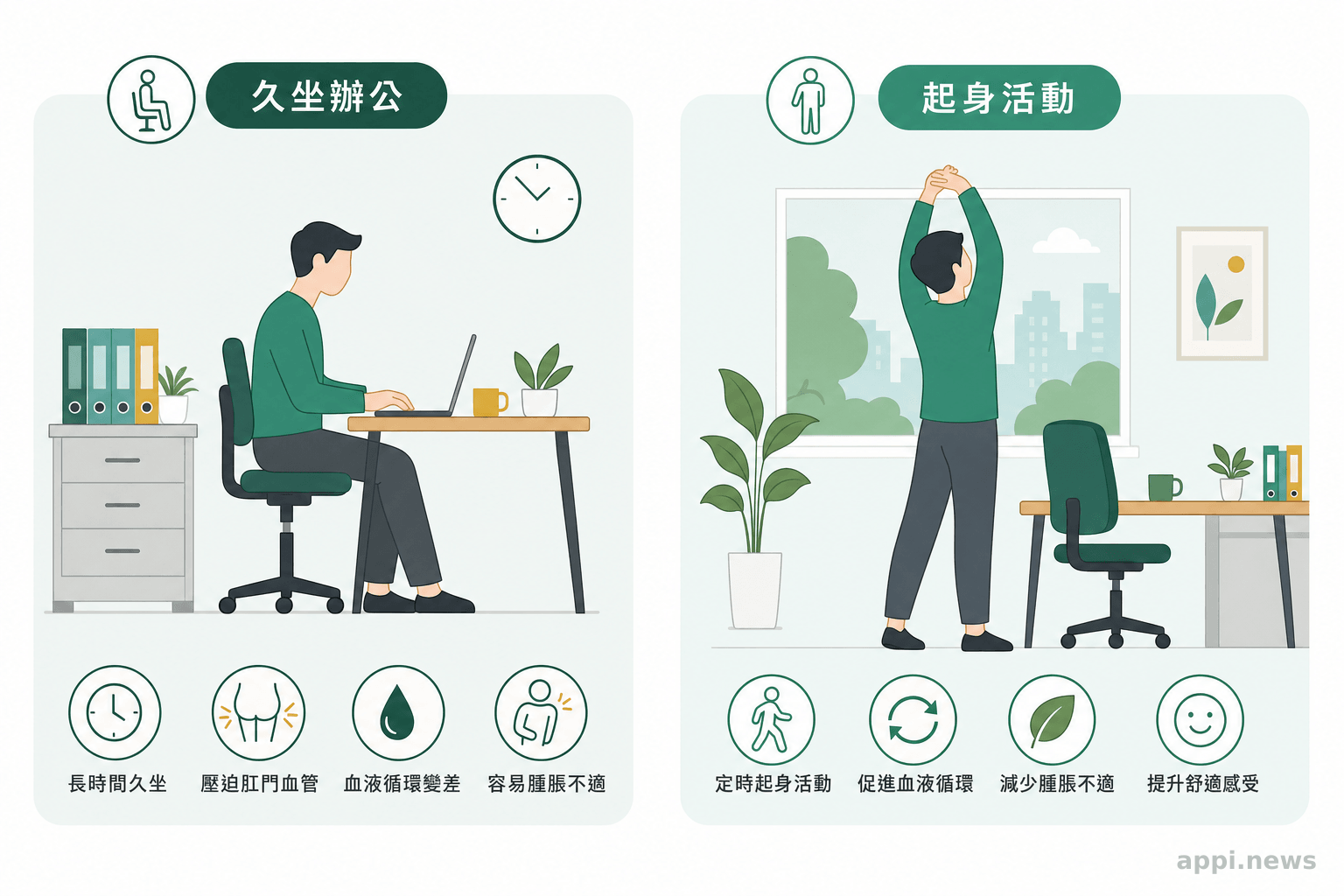
The guideline cites seven randomized trials with 378 participants in which fiber reduced the risk of persistent symptoms by 53 percent compared with no fiber. It recommends more fiber and adequate fluid intake, while avoiding straining and long periods on the toilet. These measures can reduce bleeding and mild-to-moderate prolapse, but they do not remove existing hemorrhoidal tissue.

Warm sitz baths may provide temporary relief, and the US institute includes them among home-care options. A bath does not determine the cause of bleeding or correct advanced prolapse. Persistent symptoms still need assessment.
Diosmin evidence applies to a broad drug class
Diosmin is a flavonoid included in a mixed group of medicines called phlebotonics or venoactive drugs. These products and their regulatory classifications differ among countries, so a finding about the class does not establish the status or effect of every formulation.
A Cochrane review included 20 randomized trials and 2,334 participants comparing phlebotonics with control treatment and found benefits for bleeding, itching, discharge and overall symptoms. It did not find a statistically reliable benefit for pain. The review searched studies only through September 2011 and warned that methodological limitations could have biased the results.
Phlebotonics may therefore have a symptom-relief role, but the evidence does not show that they remove hemorrhoidal tissue or prevent recurrence. Product choice and duration should be decided with a clinician or pharmacist because availability, approved uses and safety information vary by country. People taking anticoagulants or other long-term medicines should have possible interactions and bleeding risk reviewed before using a hemorrhoid medicine.
Prolapse helps guide the next step
Internal hemorrhoids are commonly graded by prolapse. Grade I hemorrhoids remain inside the anal canal; grade II prolapse during a bowel movement and return on their own; grade III require manual reduction; and grade IV remain outside and cannot be reduced. The grade is only part of the decision because bleeding, pain, external disease and the effect on daily life also matter.
The ASCRS guideline says most symptomatic grade I and II hemorrhoids, and selected grade III cases that do not respond to conservative treatment, can be treated with office procedures. It identifies rubber-band ligation as the most effective office-based treatment. Excisional surgery is generally reserved for selected patients with external hemorrhoids, combined internal and external disease at grades III or IV, or disease unsuitable for less invasive treatment.
Office procedures and surgery carry tradeoffs. Banding, sclerotherapy and infrared coagulation can cause pain or bleeding and may require repeat treatment. Excisional surgery treats more extensive disease but usually brings a longer and more painful recovery, with bleeding, urinary retention and rarer long-term complications among the recognized risks.
Pregnancy, childhood and chronic illness need separate advice
The evidence summarized in the ASCRS guideline mainly concerns adults, and pregnancy can change both the cause of symptoms and treatment choices. Pregnant or breastfeeding people should discuss medicines and procedures with a clinician rather than applying a general adult regimen. Rectal bleeding in a child also needs clinical assessment instead of an assumed hemorrhoid diagnosis.
People with chronic bowel disease, bleeding disorders, impaired immunity or medicines that affect clotting need an individualized plan. These factors can change the urgency of evaluation and the risks of medication or a procedure.
Conservative care has a clear boundary
Fiber, adequate fluids and shorter, strain-free toilet visits are reasonable first steps after a clinician has excluded another cause of bleeding. Symptom-relief products can be considered under local professional advice, but they do not make persistent bleeding or advanced prolapse safe to ignore.
Failure of conservative care does not automatically mean major surgery. Examination can distinguish patients who need further investigation from those suited to an office procedure or an operation. The treatment decision rests on the source of bleeding, the type and grade of hemorrhoids, symptom burden and the risks of each option.
Sources and further reading
- The American Society of Colon and Rectal Surgeons Clinical Practice Guidelines for the Management of Hemorrhoids(American Society of Colon and Rectal Surgeons)
- Phlebotonics for haemorrhoids(Cochrane)
- Symptoms and Causes of Hemorrhoids(US National Institute of Diabetes and Digestive and Kidney Diseases)
- Treatment of Hemorrhoids(US National Institute of Diabetes and Digestive and Kidney Diseases)
- Piles (haemorrhoids)(United Kingdom National Health Service)