Hong Kong’s Centre for Food Safety found no detectable nitrite in five cooked vegetables or a vegetable soup after overnight refrigeration at 0°C to 4°C. Some samples held at room temperature began showing increased nitrite after 12 hours, making storage conditions more informative than the change of date.
The 2022 experiment tested amaranth, Chinese white cabbage, flowering Chinese cabbage, Chinese lettuce and zucchini after boiling or stir-frying. It does not establish that every leftover dish is safe, and it did not test whether eating leftovers changes cancer risk.
Warning signs require medical assessment
The US Centers for Disease Control and Prevention (CDC) advises seeking medical care for bloody diarrhea, diarrhea lasting more than three days, fever above 39°C, vomiting that prevents liquids from staying down, or signs of dehydration. Very little urination, a dry mouth or throat, and dizziness on standing are listed dehydration warnings.
The CDC identifies children under five, pregnant people, adults aged 65 and older, and people with weakened immune systems as more likely to become seriously ill from contaminated food. Children, pregnant people, those with chronic conditions or weakened immunity, and people taking regular medicines should seek advice from a clinician or their national health authority rather than applying general adult guidance to symptoms or food choices.
A separate APPI News report gives more detail on dehydration, bloody diarrhea and other warning signs after suspected food poisoning. Symptoms cannot identify which meal or microorganism caused an illness.
The experiment answers a narrow nitrite question
The Hong Kong study measured nitrate and nitrite before cooking, shortly after cooking and during storage. Nitrite was not detected before or shortly after cooking, and none was detected after the cooked vegetable samples spent one night under refrigeration.
Room-temperature results were different. Nitrite began to rise in some samples after 12 hours, and the center concluded that storage temperature played a larger role than vegetable type in nitrite formation. The finding supports prompt refrigeration of cooked vegetables; it does not support leaving them on a counter because they will be eaten the same day.
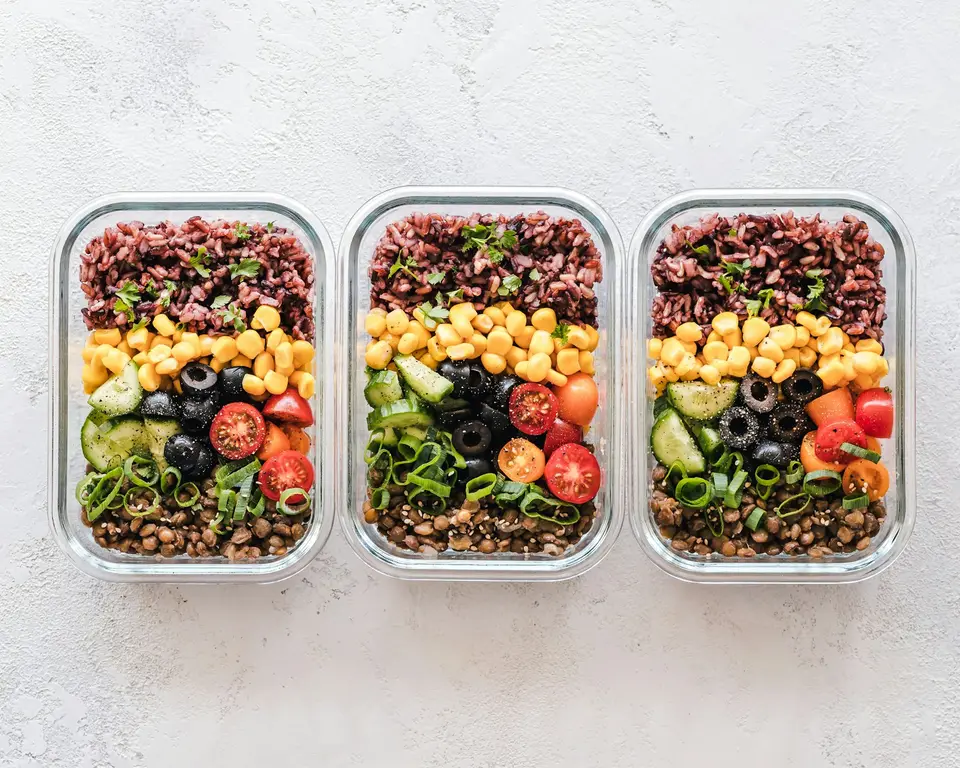
The sample was small and food-specific. Meat, seafood, rice, eggs, sauces and mixed dishes may carry hazards that a vegetable nitrite test cannot measure. The study also did not assess all microorganisms, toxins or chemical contaminants, so “no detected nitrite” is not the same as “no food-safety risk.”
Cold storage slows growth but does not reset the clock
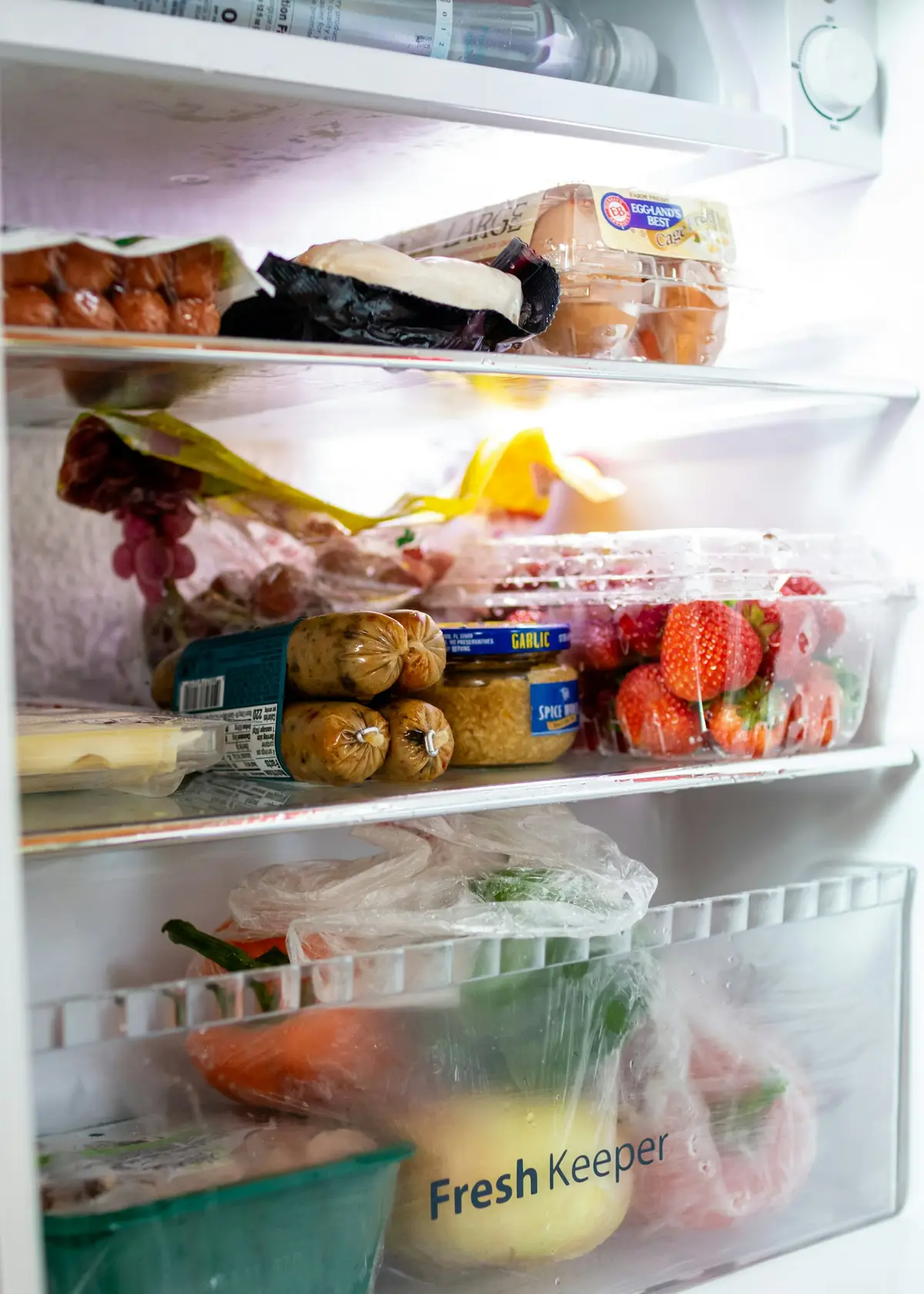
World Health Organization (WHO) guidance says cooked food should not remain at room temperature for more than two hours and recommends prompt refrigeration, preferably below 5°C. It also says cold temperatures slow bacterial growth without stopping it completely.
Large pots and deep containers cool slowly at the center. WHO advises dividing a large batch, such as soup or stew, into small portions in shallow containers before refrigeration. Raw meat, poultry and seafood should remain sealed and separated from cooked or ready-to-eat food to prevent their juices from spreading contamination.
The two-hour mark is a general control point, not proof that every dish remains safe until the deadline. A related APPI News report explains why storage limits vary with temperature and national guidance.
Reheating is a final control, not a repair
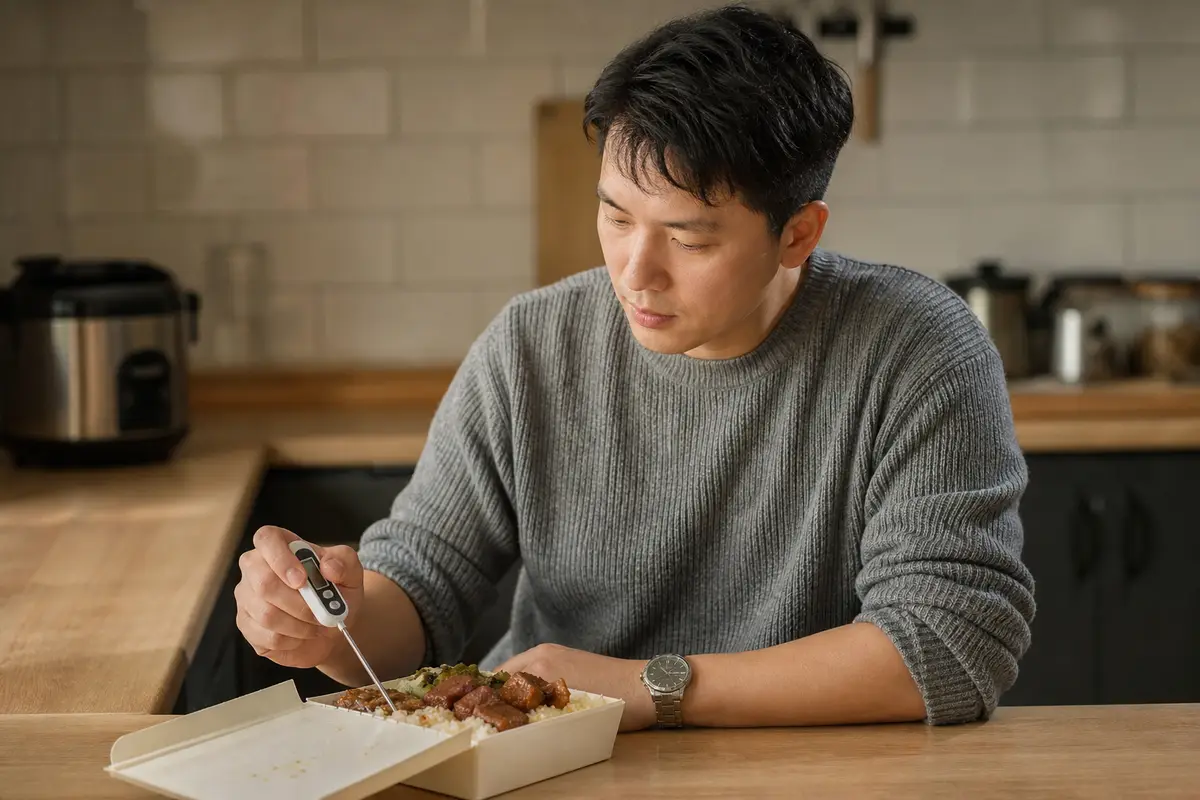
WHO advises reheating leftovers until they are steaming hot. Hong Kong’s Centre for Food Safety gives a more specific local recommendation of 75°C at the center, while other national authorities may set different temperatures or holding times for particular foods.
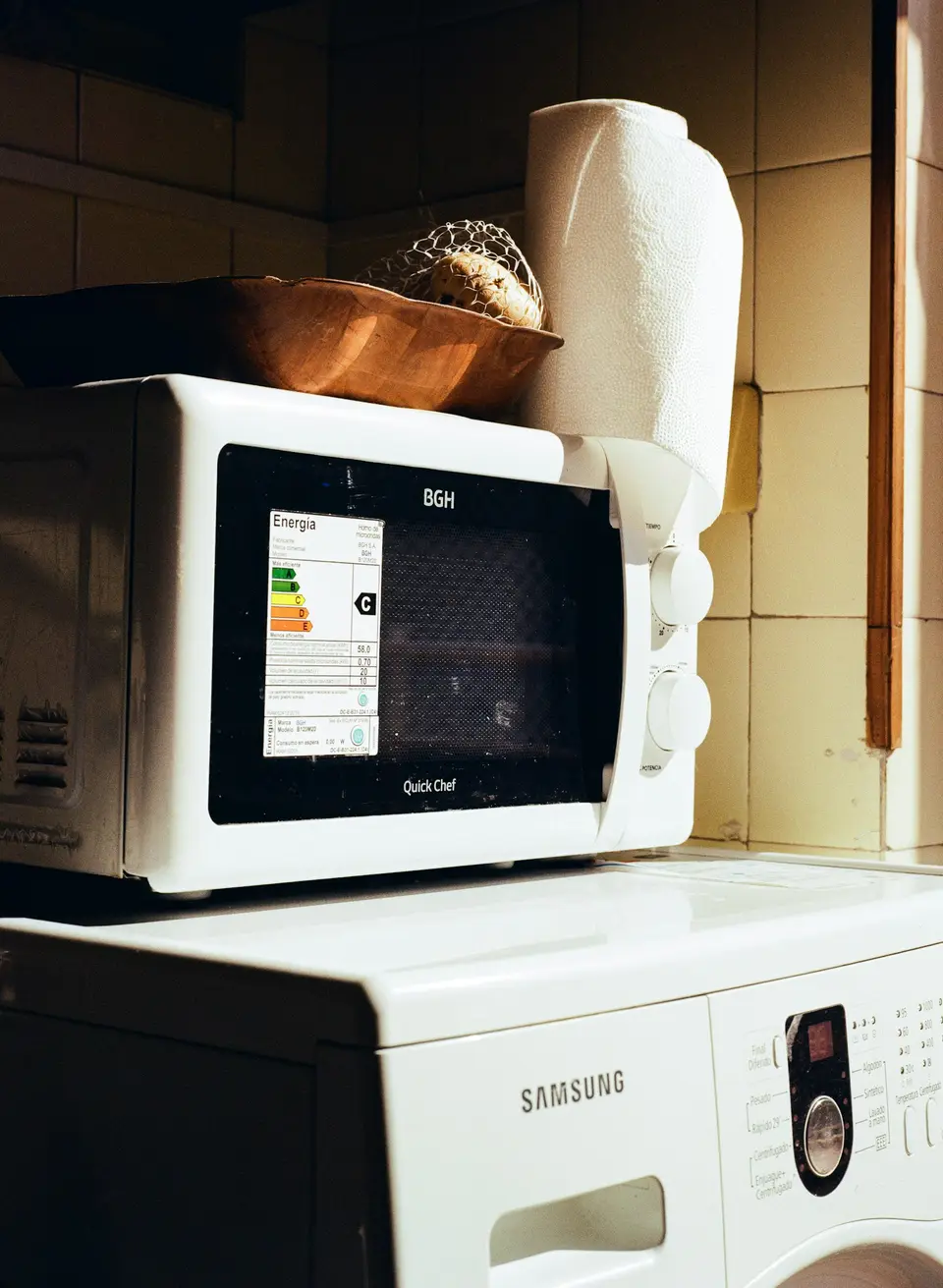
Reheating cannot reconstruct an unknown storage history or guarantee that food kept outside temperature control is safe. It is a final handling step, not evidence that earlier cooling and storage were adequate.
“Overnight” is not a safety category
A dish does not become unsafe solely because midnight passed, and a same-day meal is not automatically safe. Time outside temperature control, the refrigerator’s actual temperature, cross-contamination, the food involved and the condition of the person eating it all affect the decision.
Smell, taste and appearance cannot detect every foodborne hazard. Food should be discarded when its storage history is unknown, it has exceeded the applicable official limit, or spoilage is evident. Tasting a questionable dish is not a safety test.
Frequently asked questions
Do cooked vegetables develop nitrite simply because they are kept overnight?
The Hong Kong experiment found no detectable nitrite after five cooked vegetables and a vegetable soup were refrigerated overnight at 0°C to 4°C. That result does not apply automatically to every vegetable, dish or storage condition.
How quickly should leftovers be refrigerated?
WHO says cooked food should not remain at room temperature for more than two hours and recommends prompt refrigeration below 5°C. Local authorities may apply shorter or food-specific limits.
How long do leftovers keep in a refrigerator?
There is no single period verified here for every food and country. Follow the product label and the national food-safety authority responsible for the place where the food is stored; when the history is uncertain, discard the food.
Can reheating make mishandled food safe?
Not reliably. Thorough reheating is one control step, but it cannot correct every hazard created by earlier contamination or poor storage.
Sources and further reading
- Changes in Nitrate and Nitrite Levels of Cooked Vegetables during Storage(Centre for Food Safety, Hong Kong)
- Public health advice on food safety during summer(World Health Organization Regional Office for Europe)
- Food Poisoning Symptoms(US Centers for Disease Control and Prevention)
- People at Increased Risk for Food Poisoning(US Centers for Disease Control and Prevention)