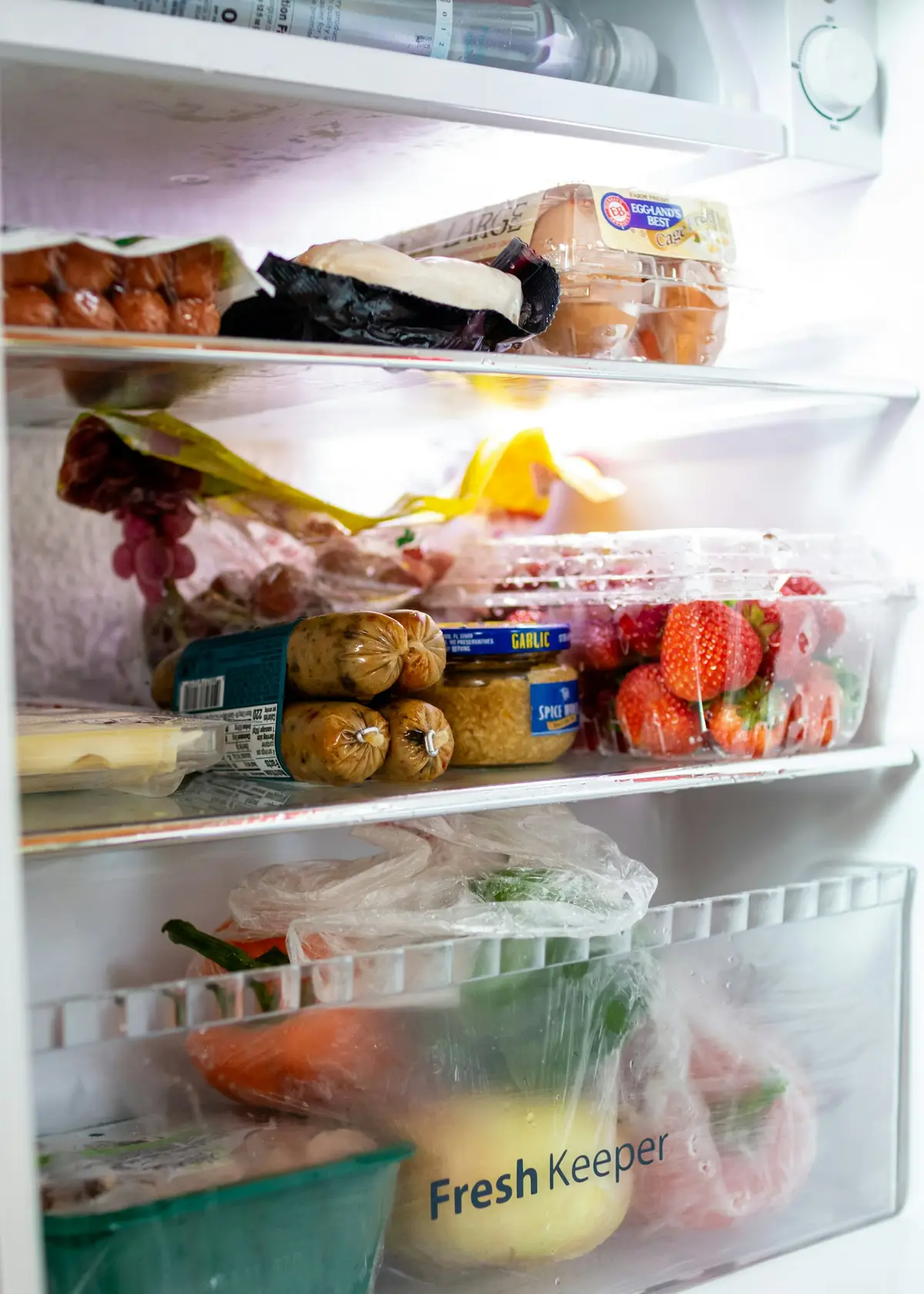
World Health Organization (WHO) guidance says cooked food should not remain at room temperature for more than two hours. It also advises refrigerating cooked and perishable food promptly, preferably below 5°C, or holding cooked food above 60°C before serving.
The two-hour mark is a control point, not a promise that food is safe until the final minute. Starting contamination, moisture, acidity, handling and the actual temperature all affect how quickly microorganisms multiply.
Warning signs need prompt medical assessment
The US Centers for Disease Control and Prevention (CDC) lists bloody diarrhea, diarrhea lasting more than three days, fever above 39°C, repeated vomiting that prevents liquids from staying down and signs of dehydration as reasons to seek medical care. Dehydration signs include very little urination, a dry mouth or throat, and dizziness on standing.
The US CDC identifies children under five, pregnant people, adults aged 65 and older, and people with weakened immune systems as groups at higher risk of severe foodborne illness. People in these groups, those with chronic conditions and those taking regular medicines should contact a clinician rather than relying on general adult guidance when vomiting, diarrhea or fever develops.
The clock includes transport and serving time
A takeaway meal does not receive a separate time allowance for the trip home or to work. Once perishable food is no longer refrigerated or held above the recommended hot-holding temperature, transport, time on a desk and time on a serving table all contribute to its period outside temperature control.
FoodSafety.gov, the United States government food-safety portal, says perishable food should be refrigerated within two hours, or within one hour when exposed to temperatures above 32°C. The shorter limit applies to conditions such as a hot car or summer picnic and is United States guidance, not a threshold verified for every country.
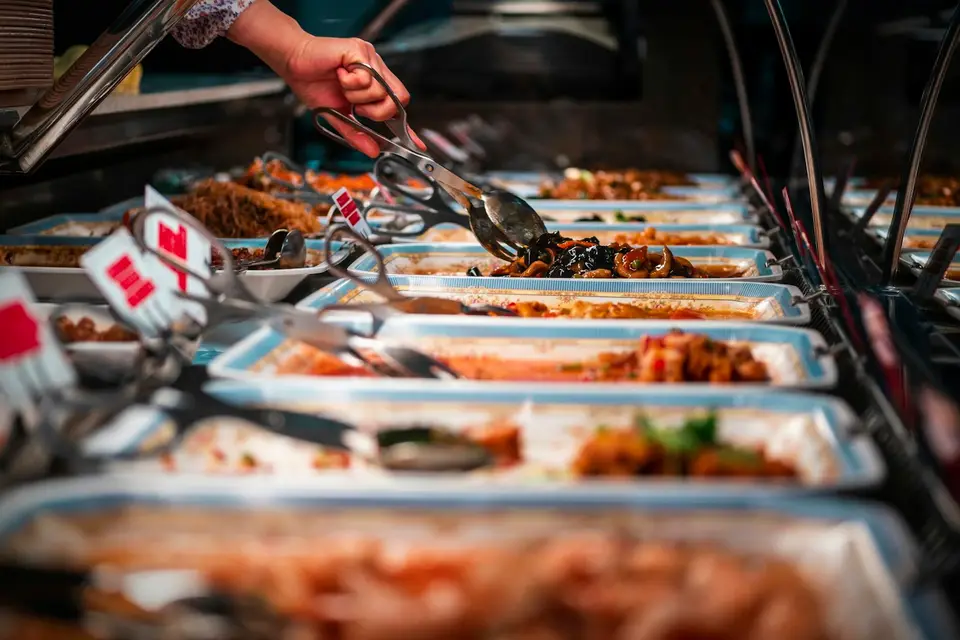
Buffets need active temperature control rather than trays that merely feel warm. WHO advises holding cooked dishes above 60°C, while its preferred refrigeration target is below 5°C; United States consumer guidance uses 4°C or below for refrigerators.
Prompt cooling is safer than waiting on the counter
Cooked food that will not be eaten within the applicable time limit should be refrigerated promptly. Waiting for an entire pot or takeaway box to reach room temperature extends its time in conditions that allow faster microbial growth.
Large volumes cool slowly at the center. WHO advises dividing a large pot of soup or stew into small portions and shallow containers before refrigeration, while the United States portal gives the same shallow-container advice for leftovers. A crowded refrigerator or deep, tightly packed container can slow cooling even when the food has been moved off the counter.
There is no single worldwide danger-zone range
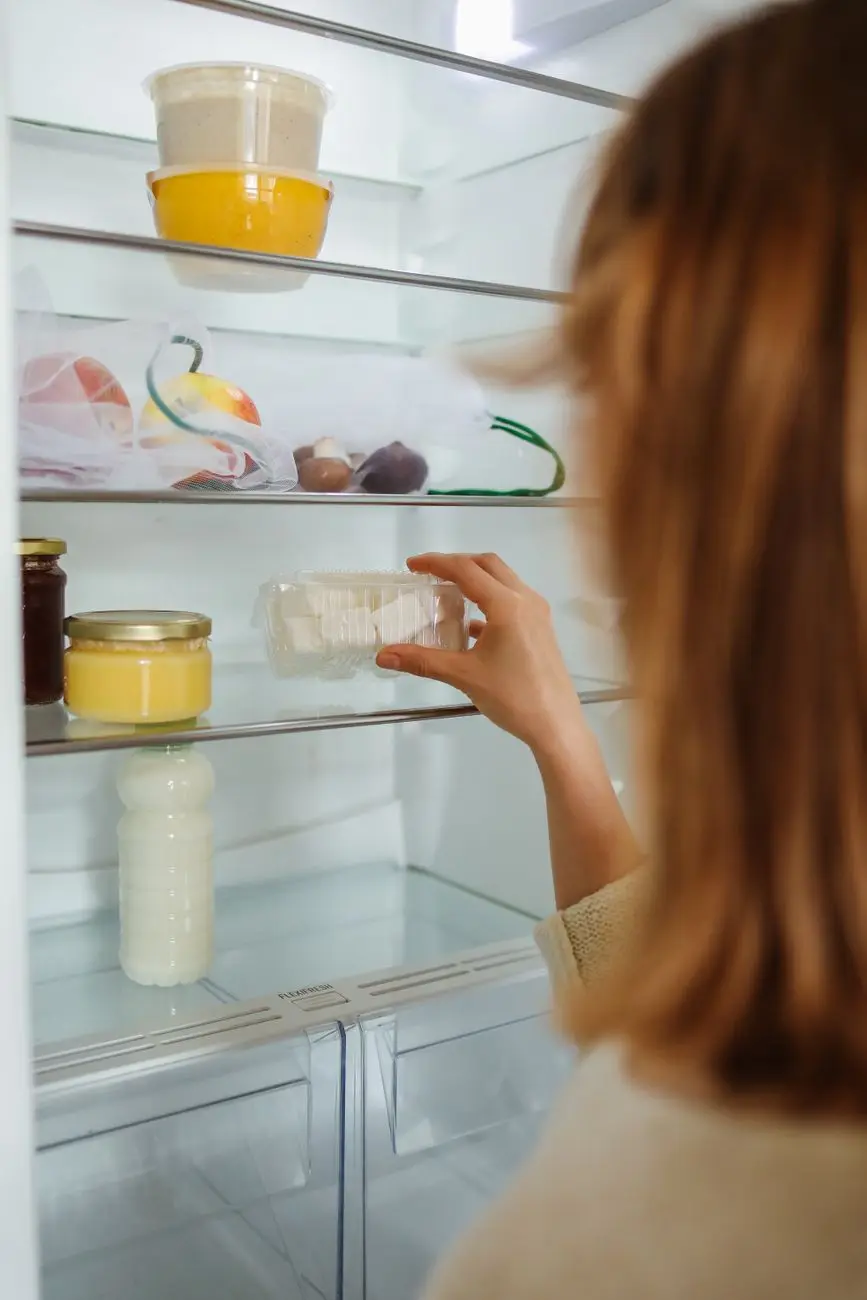
The phrase “temperature danger zone” describes the interval in which food is neither kept sufficiently cold nor held sufficiently hot. WHO recommends refrigeration below 5°C and hot holding above 60°C, while United States consumer guidance defines its danger zone as 4°C to 60°C.
Those limits should not be merged into a supposedly universal 5°C-to-60°C or 4°C-to-60°C rule. Food businesses and households should follow the authority responsible for their location when its limits are stricter or more specific to a product.
Reheating cannot erase every earlier failure
WHO says thorough cooking to at least 70°C reduces microbial risk for foods including meat, poultry, soups and stews, and advises reheating leftovers until steaming hot. Heating can kill many living microorganisms, but it cannot reconstruct an unknown storage history or guarantee that a mishandled dish is safe.
WHO reported in March 2026 that cereulide, a toxin produced by some strains of Bacillus cereus, remains stable at temperatures up to 121°C. That finding explains why a final round of heating is not a reliable correction for every food-safety failure; perishable food beyond the applicable time limit should be discarded rather than tasted as a test.
Common pathogens do not follow one timetable
The CDC says staphylococcal food poisoning can begin within 30 minutes to eight hours, while salmonellosis can begin from six hours to six days after exposure. Symptoms and timing alone cannot identify the responsible food or microorganism, and the last meal eaten is not necessarily the source.
Temperature control addresses only one route to illness. Clean hands and utensils, separation of raw and cooked food, thorough cooking, safe water and protected ingredients remain necessary because refrigeration cannot reverse contamination that has already occurred.
Frequently asked questions
How long can a takeaway meal remain at room temperature?
WHO guidance sets a maximum of two hours for cooked food at room temperature. United States guidance shortens the limit to one hour above 32°C, but local rules may differ.
Should hot leftovers cool completely before refrigeration?
No. Food that will be kept should be refrigerated promptly, with large batches divided among shallow containers so the center cools faster.
What temperatures apply to a buffet?
WHO advises keeping cooked food above 60°C before serving and refrigerating perishable food preferably below 5°C. A food thermometer provides more useful information than touch, smell or appearance.
Can reheating make food safe after too long at room temperature?
Not reliably. Heating kills many microorganisms, but some toxins can withstand normal cooking temperatures, so food that has exceeded the applicable limit should be discarded.
Sources and further reading
- Public health advice on food safety during summer(World Health Organization Regional Office for Europe)
- 4 Steps to Food Safety(FoodSafety.gov)
- Food Poisoning Symptoms(US Centers for Disease Control and Prevention)
- People at Increased Risk for Food Poisoning(US Centers for Disease Control and Prevention)
- International food safety event involving cereulide toxin(World Health Organization)